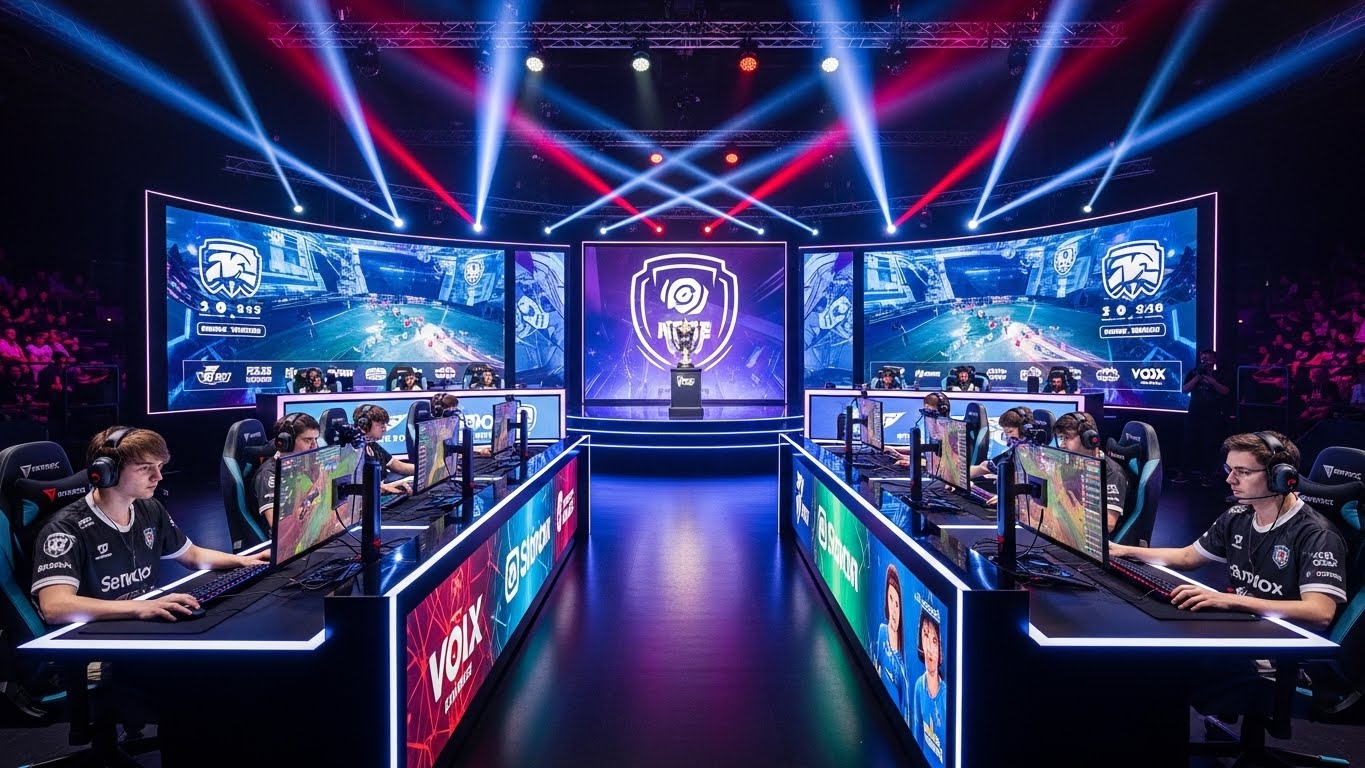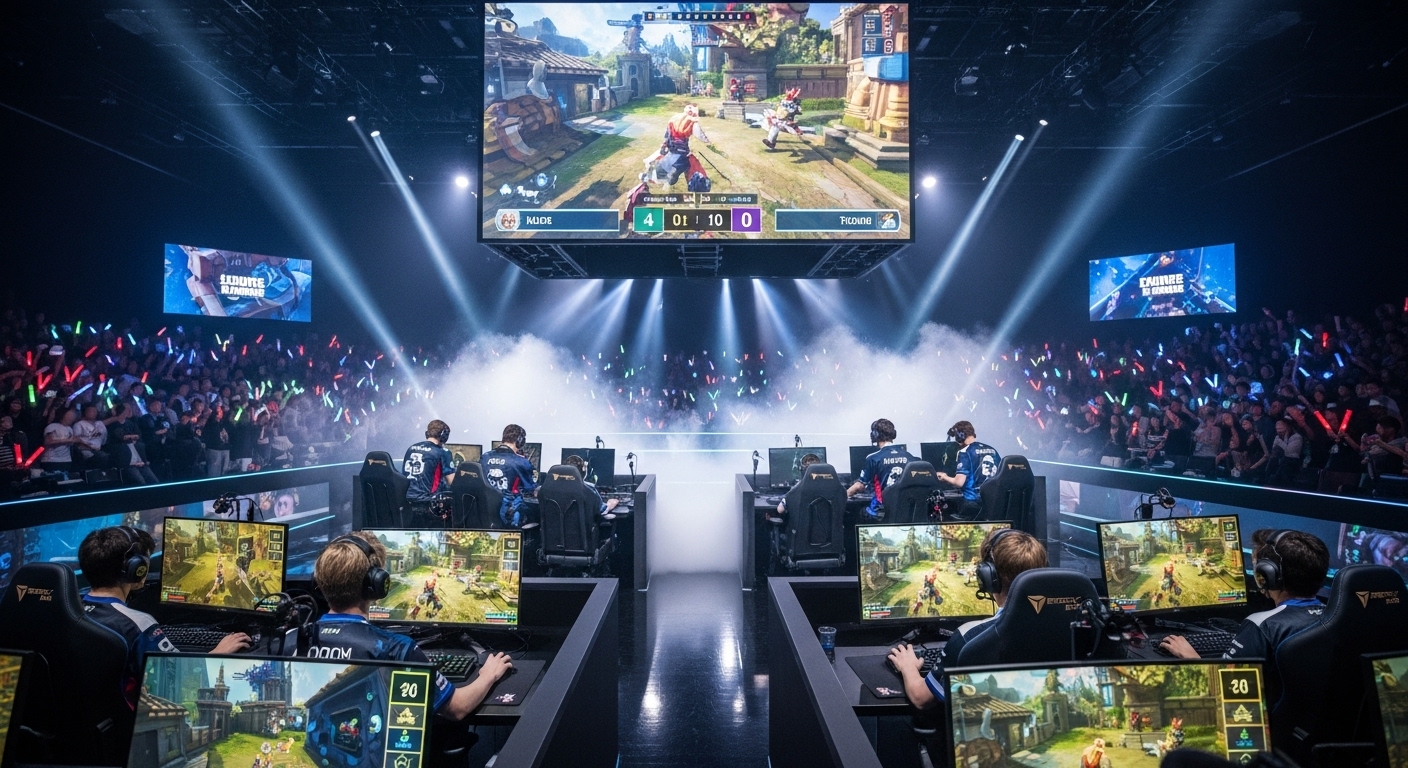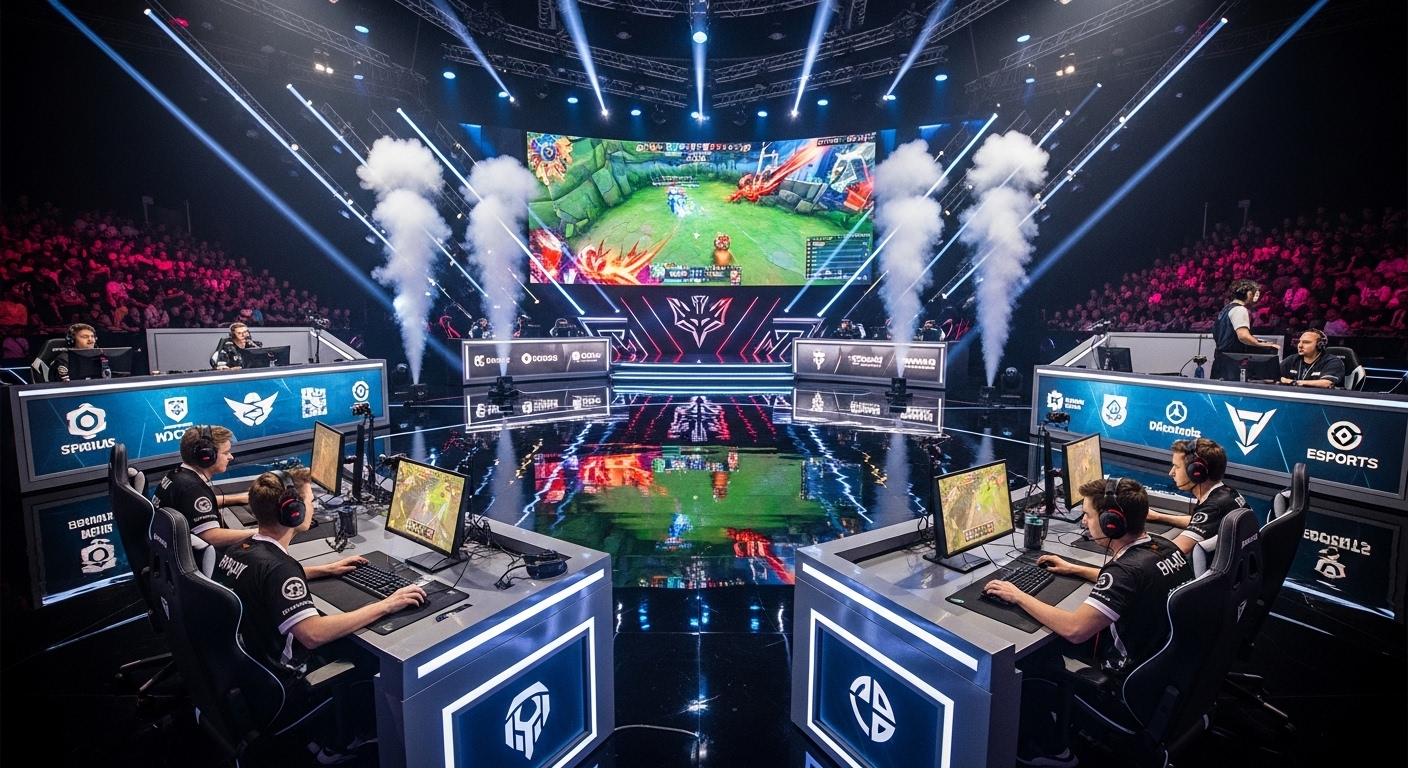
In the past two decades, the world has witnessed a remarkable transformation in the way people play, watch, and interact with video games. What was once considered a simple pastime for teenagers has evolved into a global phenomenon known as esports. Competitive gaming, or esports, has grown into a billion-dollar industry that rivals traditional sports in both scale and influence. This evolution represents not only a technological revolution but also a cultural shift in how society perceives entertainment, skill, and competition.
The Birth of Esports: From Arcades to Arenas
To understand the magnitude of esports today, it’s important to look back at its humble beginnings. The concept of competitive gaming can be traced to the 1970s when early video game tournaments were held in arcades and universities. One of the first recognized video game competitions took place in 1972 at Stanford University, where players competed in the game Spacewar. The prize was a one-year subscription to Rolling Stone magazine, a far cry from the multimillion-dollar rewards offered today.
Throughout the 1980s and 1990s, video games became increasingly popular with titles like Pac-Man, Donkey Kong, and Street Fighter dominating arcades. The arrival of home consoles such as the Nintendo Entertainment System and Sega Genesis brought gaming into households around the world. Local tournaments began to form, where players competed for bragging rights or small prizes. The birth of the internet in the 1990s laid the foundation for online multiplayer gaming, allowing players to compete from different parts of the world without ever meeting in person.
The Online Revolution: Multiplayer Gaming Changes Everything
When online connectivity became widespread in the late 1990s and early 2000s, gaming changed forever. Multiplayer games like Counter-Strike, Quake, and StarCraft turned gaming into a community-driven experience. Players could now test their skills against real opponents rather than just computer-controlled characters. This new dimension of competition attracted dedicated gamers who practiced daily to improve their reflexes, strategies, and teamwork.
The early 2000s saw the birth of organized leagues and tournaments that would shape the esports landscape. South Korea emerged as a pioneer in this movement, with television networks broadcasting StarCraft matches to millions of viewers. Professional players became national celebrities, and gaming cafés, known as PC bangs, became central to Korean youth culture. What started as a niche hobby was now a legitimate form of entertainment and competition.
The Rise of Global Esports Titles
As technology advanced, game developers began designing titles specifically with competitive play in mind. The most iconic esports games emerged during this period, each defining its own genre and community.
One of the earliest global hits was Counter-Strike, a first-person shooter that required intense teamwork and precision. Its simple yet strategic gameplay made it perfect for tournaments. Around the same time, Warcraft III and StarCraft: Brood War set the stage for real-time strategy competitions.
In the late 2000s, a new genre took the esports world by storm: Multiplayer Online Battle Arenas, or MOBAs. Games like League of Legends and Dota 2 introduced deep strategic gameplay that rewarded both individual skill and team coordination. These games became central to the esports ecosystem, generating massive audiences and record-breaking prize pools.
Meanwhile, FIFA, NBA 2K, and other sports simulation games allowed fans of traditional sports to experience competition in a digital form. Esports was no longer limited to one genre; it had become a diverse and inclusive world encompassing shooters, strategy, sports, and even fighting games like Street Fighter and Tekken.
Esports as a Career: The Professional Player’s Journey
The idea of becoming a professional gamer was once dismissed as unrealistic. However, the modern esports landscape has turned this dream into a viable career path for thousands of players around the world. Top esports professionals now train rigorously, often practicing eight to twelve hours a day, refining strategies, and analyzing opponents. Teams hire coaches, analysts, nutritionists, and even sports psychologists to ensure peak performance.
Major organizations such as Team Liquid, Fnatic, Cloud9, and T1 operate like professional sports franchises. They recruit players, negotiate sponsorship deals, and manage brand identities. Tournaments offer life-changing rewards, with some events awarding millions of dollars in prize money. The International, Dota 2’s premier event, has consistently featured some of the largest prize pools in esports history.
However, professional gaming is not all glamour. The competition is fierce, and the career lifespan of an esports player is often short due to the physical and mental demands of the job. Reflexes tend to decline with age, and maintaining top-level performance requires relentless dedication. Despite the challenges, the passion for gaming continues to drive thousands of young players to pursue their dreams in the esports arena.
The Esports Ecosystem: Beyond the Players
While players are the face of esports, the industry’s success depends on a vast network of contributors. Game developers and publishers design and update titles to maintain balance and fairness. Tournament organizers coordinate global events that bring together the best teams. Broadcasters and streamers share the excitement with millions of viewers online.
Sponsors and advertisers have also recognized the value of esports audiences, particularly younger demographics who prefer digital entertainment over traditional media. Companies from diverse sectors, including technology, energy drinks, and automotive brands, have invested heavily in esports sponsorships. This influx of capital has accelerated the industry’s growth, allowing for larger events, better production quality, and more opportunities for professionals.
Streaming platforms like Twitch and YouTube Gaming have played a crucial role in popularizing esports. Fans can watch their favorite players practice, compete, and interact in real time. The accessibility of streaming has turned many gamers into influencers with massive followings, further blurring the line between entertainment and competition.
The Spectator Experience: A New Kind of Entertainment
One of the most fascinating aspects of esports is how it has redefined what it means to be a spectator. Unlike traditional sports that require physical venues, esports can be watched from anywhere in the world. Fans gather on digital platforms to follow tournaments, comment on plays, and cheer for their favorite teams.
Major esports events fill massive arenas such as the Staples Center in Los Angeles or the Bird’s Nest Stadium in Beijing. The energy of a live esports event rivals that of any football or basketball match. Thousands of fans wave team flags, chant slogans, and celebrate victories as lights and graphics pulse across the stage.
The production value of esports broadcasts has also reached new heights. Commentators, known as casters, provide real-time analysis and storytelling, helping viewers understand complex plays. Camera angles, instant replays, and digital overlays enhance the viewing experience, making it dynamic and interactive.
For many fans, esports offers something traditional sports cannot: direct participation. Viewers can play the same games as the professionals they watch, bridging the gap between fan and competitor. This interactivity has made esports deeply personal and engaging for millions.
The Business of Esports: An Expanding Industry
Esports has evolved into a global business ecosystem worth billions of dollars. Revenue streams include sponsorships, advertising, ticket sales, merchandise, and media rights. Major corporations and investors have entered the scene, recognizing esports as one of the fastest-growing sectors in entertainment.
Franchise-based leagues such as the Overwatch League and Call of Duty League have been established, mirroring the structure of traditional sports organizations. Teams pay franchise fees to join these leagues, which in return offer stability, consistent scheduling, and shared revenue models. This system has attracted long-term investment and professional management.
Universities have also started offering esports scholarships and degrees, further legitimizing gaming as a career path. Educational institutions now see value in developing students’ skills in game design, event management, broadcasting, and marketing. Esports has become a legitimate academic and economic force that extends beyond the gaming community.
The Cultural Impact of Esports
The influence of esports extends far beyond competition. It has reshaped popular culture, fashion, and social interaction. Gaming has become a shared language among people of all backgrounds, uniting individuals through teamwork and creativity. Esports stars are now global icons, appearing on magazine covers, talk shows, and even collaborating with musicians and athletes.
Fashion brands have partnered with esports organizations to create apparel lines that blend streetwear with gaming culture. Music artists perform at major tournaments, turning esports events into multimedia spectacles. Esports has also encouraged inclusivity by bringing together players from different countries, languages, and walks of life under one global community.
The digital nature of esports allows for constant innovation. Virtual reality, augmented reality, and artificial intelligence are already being explored to enhance competitive gaming experiences. These technologies promise to push esports into even more immersive and interactive directions in the future.
The Role of Women in Esports
For many years, esports was perceived as a male-dominated field, but that image is rapidly changing. Women have made significant contributions as players, commentators, and team managers. Female gamers have proven their skill and dedication, breaking stereotypes and paving the way for greater diversity in the industry.
Organizations and initiatives around the world are promoting gender inclusivity in esports. Women-only tournaments, mentorship programs, and awareness campaigns are helping to create safer and more supportive spaces for female gamers. The growing representation of women in esports not only enriches the competitive scene but also inspires the next generation of players.
Esports and Education: Building the Future
Beyond professional play, esports has found a place in education. Many schools and universities now use gaming as a tool to teach teamwork, problem-solving, and leadership. Competitive gaming clubs provide students with a sense of community and purpose, encouraging discipline and collaboration.
Programs that integrate esports into curricula also prepare students for careers in game development, marketing, broadcasting, and technology. As the industry grows, the demand for skilled professionals in these fields continues to rise. Esports is not just entertainment; it is a gateway to learning and innovation.
Challenges Facing the Esports Industry
Despite its rapid growth, esports faces several challenges. One of the most pressing issues is player burnout. The intense training schedules, travel demands, and mental pressure can take a toll on young athletes. Organizations are increasingly recognizing the importance of mental health support and balanced routines.
Cheating and match-fixing are also concerns that threaten the integrity of competitive gaming. Developers and tournament organizers are implementing advanced security systems and strict regulations to ensure fair play. Maintaining transparency and trust is crucial for the industry’s long-term success.
Another challenge lies in maintaining game longevity. Unlike traditional sports, video games can become outdated as technology evolves. Developers must continuously update and balance their games to keep them competitive and engaging. The ever-changing nature of gaming makes esports both exciting and unpredictable.
The Global Expansion of Esports
Esports is now a truly global phenomenon, with audiences spanning every continent. Asia remains a dominant force, particularly South Korea, China, and Japan, but regions like Europe, North America, and South America have built thriving communities as well. The Middle East and Africa are also emerging markets, with increasing investment and participation.
International tournaments have become celebrations of cultural exchange. Players from different countries unite under the banner of competition, showcasing talent and sportsmanship on the world stage. This global reach has positioned esports as a unifying force that transcends language and geography.
The Future of Esports: Where Innovation Meets Imagination
As technology continues to evolve, the future of esports looks brighter than ever. Advances in virtual reality and cloud gaming could revolutionize how games are played and experienced. Artificial intelligence may lead to smarter opponents and deeper analytical tools for training. The integration of blockchain technology could transform digital ownership and tournament management.
The next frontier may also include hybrid events that combine real-world and virtual elements, creating immersive experiences for both players and fans. Esports could soon merge with entertainment industries like film and music, expanding its cultural influence even further.
Governments and international organizations are also beginning to recognize esports officially. Some countries have included esports in their national sports programs, and discussions continue about its inclusion in future Olympic events. Whether or not that happens, one thing is certain: esports is here to stay.
Conclusion: The Power of Play
The rise of esports represents more than just the growth of a new industry. It embodies the human desire for challenge, creativity, and connection. From small arcade competitions to massive global tournaments, esports has evolved into a cultural movement that bridges generations and unites millions of people through shared passion.
As technology advances and society continues to embrace digital interaction, esports will only become more influential. It stands as a testament to how play can inspire achievement, bring people together, and redefine what competition means in the modern world.