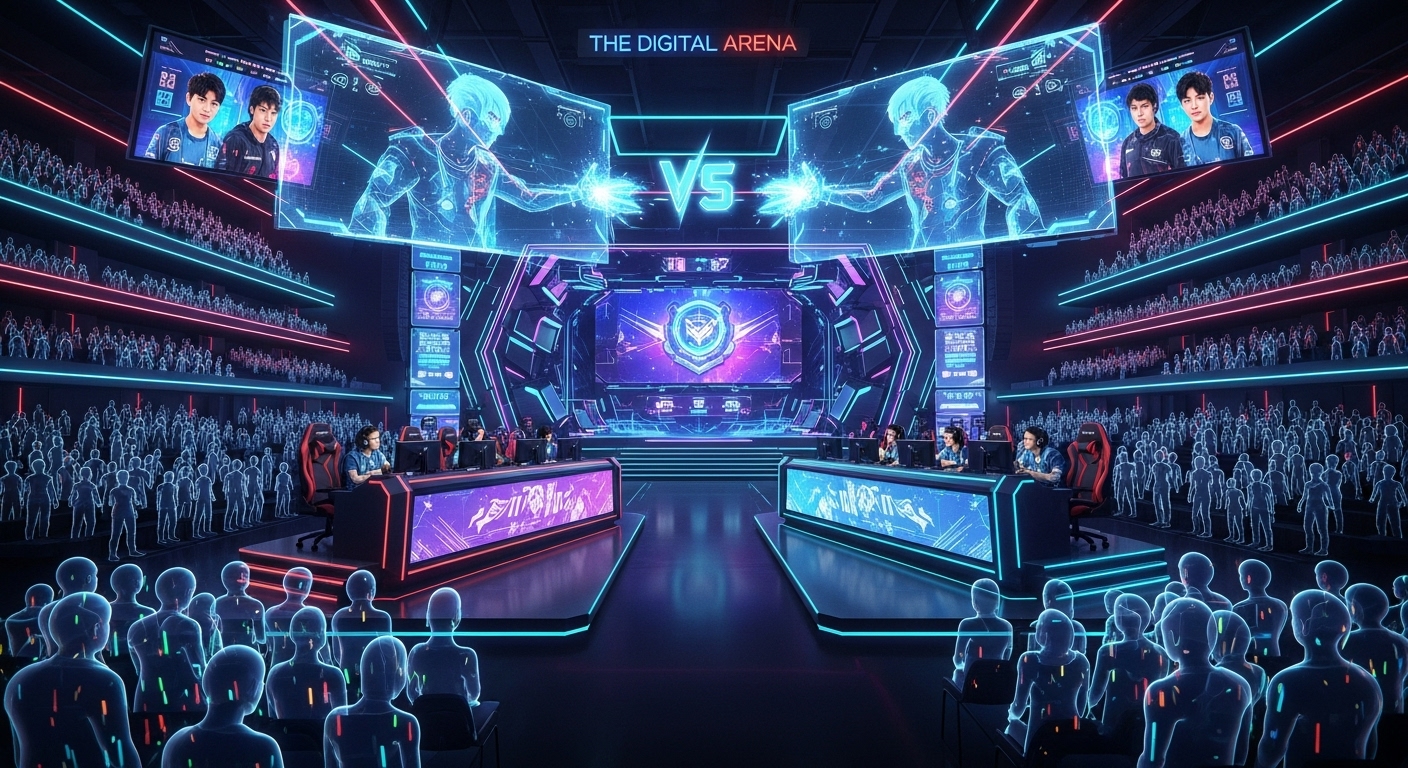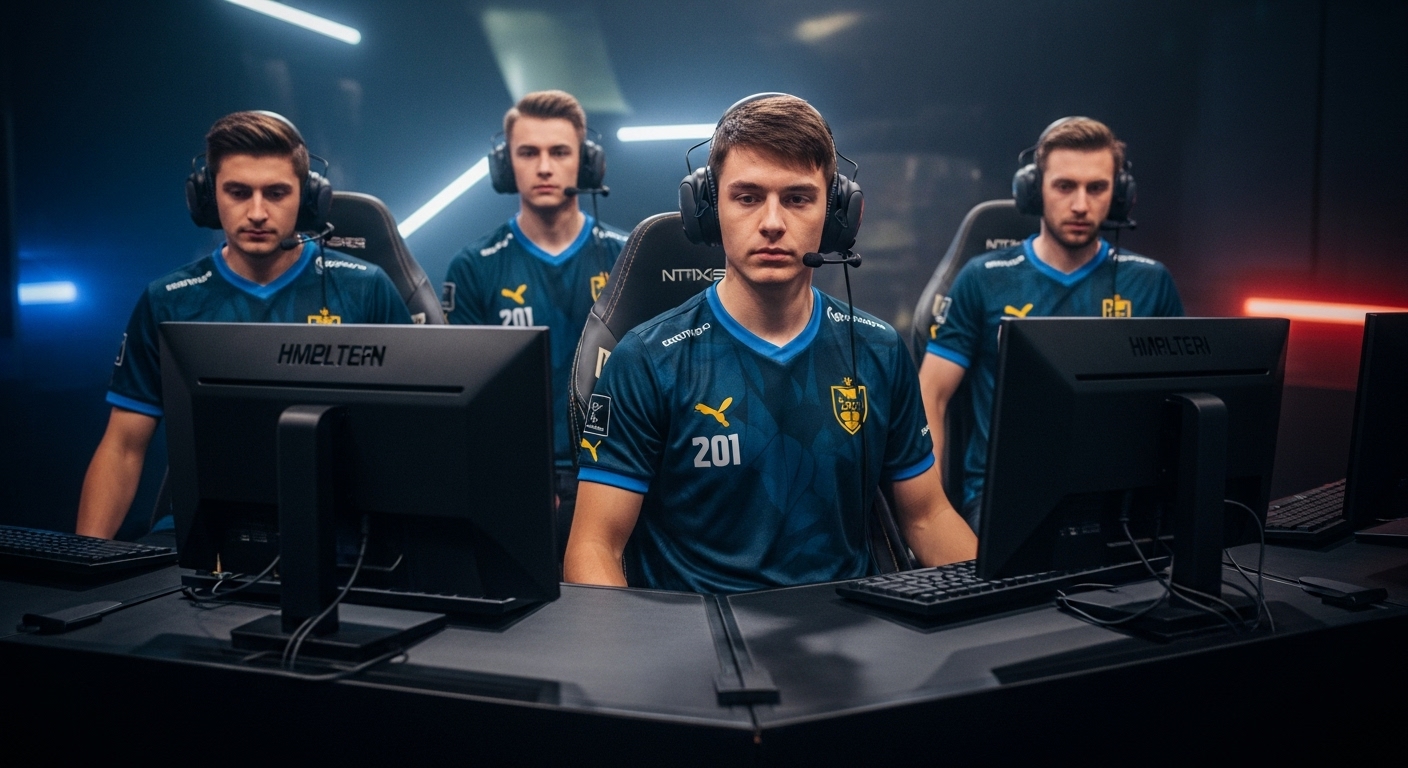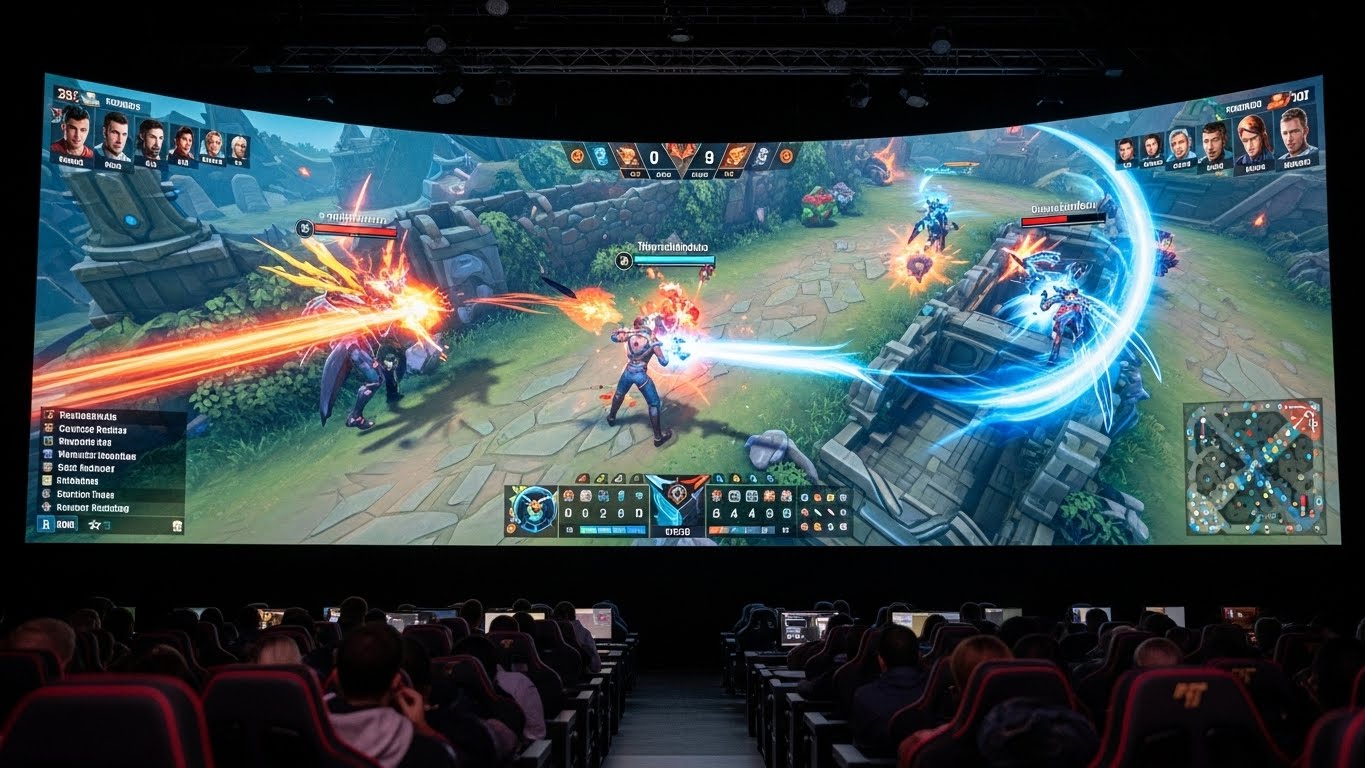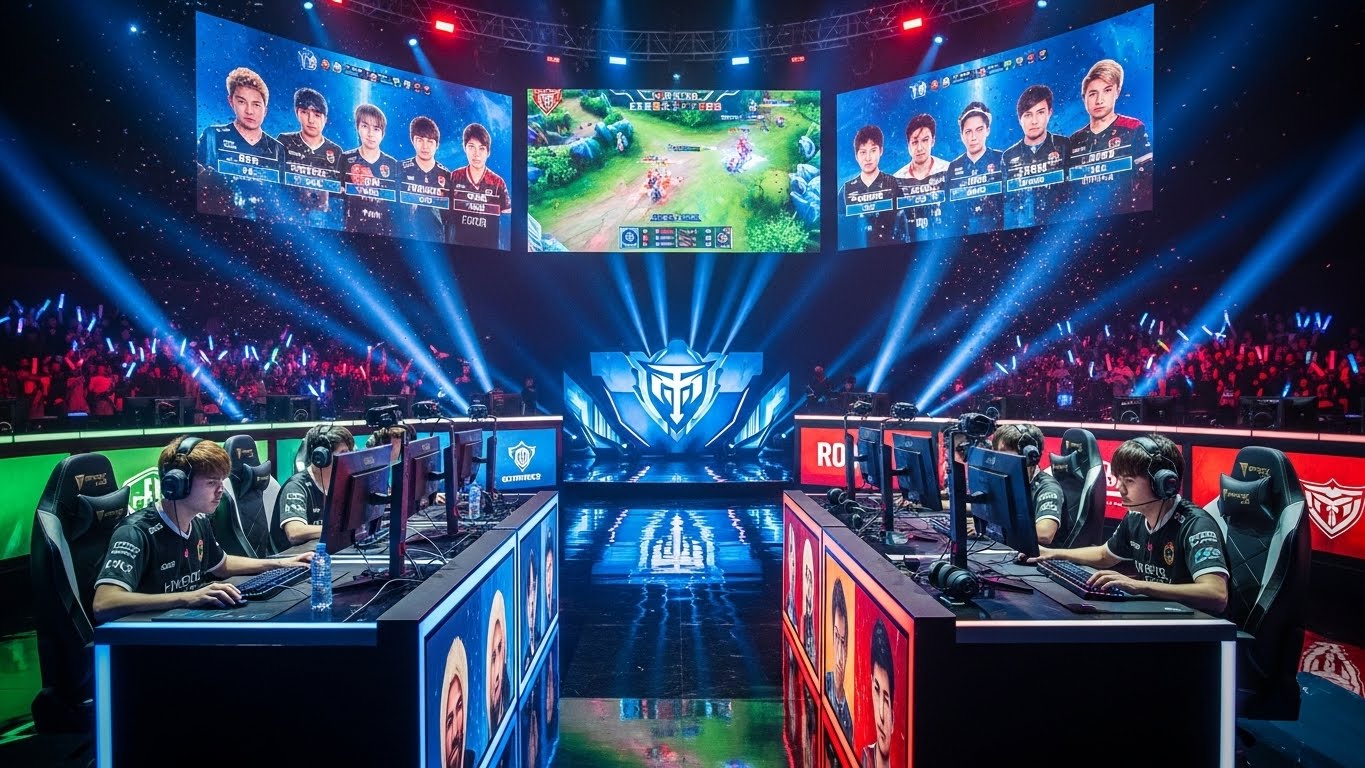
Esports has grown from a casual pastime into a global phenomenon that attracts millions of players, viewers, and investors. Competitive gaming is no longer just a hobby; it is a serious profession, a cultural movement, and a multi-billion-dollar industry. With the rise of advanced technology, online connectivity, and global tournaments, esports has redefined what it means to be an athlete in the digital age. This blog explores the history, growth, impact, and future of esports, highlighting why it has become an essential part of modern entertainment and competitive culture.
Understanding Esports
Esports, short for electronic sports, refers to organized competitive video gaming. Players or teams compete under specific rules in tournaments, leagues, or informal competitions. Unlike casual gaming, esports demands high levels of skill, strategy, and consistency.
Esports spans a wide range of game genres, including strategy, first-person shooters, sports simulations, fighting games, and multiplayer online battle arenas. Each genre has its own set of mechanics, skills, and audience appeal. Competitions are broadcast to global audiences, often accompanied by live commentary, professional analysis, and fan interaction, making esports both a sport and an entertainment medium.
The Origins of Competitive Gaming
The roots of esports can be traced back to the early days of arcade gaming, when players competed for the highest scores in games like Pac-Man and Space Invaders. These competitions were mostly local, held in arcades or at school events, but they planted the seeds for organized competitive gaming.
In the 1990s, the rise of personal computers and online connectivity allowed multiplayer gaming to flourish. Titles like StarCraft, Quake, and Counter-Strike introduced strategic gameplay and team-based competitions that attracted large communities of dedicated players. By the early 2000s, professional tournaments began to emerge, featuring prize money, sponsorships, and live audiences. These developments laid the foundation for modern esports.
Popular Esports Genres
Esports encompasses multiple genres, each requiring distinct skills and strategies:
Multiplayer Online Battle Arenas (MOBA): Games like League of Legends and Dota 2 emphasize teamwork, strategy, and character selection. Success depends on coordination, planning, and tactical execution.
First-Person Shooters (FPS): Games such as Counter-Strike, Valorant, and Call of Duty focus on accuracy, reflexes, and quick decision-making. Communication and team coordination are essential.
Real-Time Strategy (RTS): Titles like StarCraft demand resource management, strategic thinking, and multitasking under pressure.
Sports Simulations: Games like FIFA and NBA 2K recreate real-world sports in digital environments, blending knowledge of the sport with gaming skill.
Battle Royale: Games such as Fortnite and PUBG place large numbers of players in a single match where survival, adaptability, and positioning are critical.
Each genre appeals to different audiences, contributing to the diversity and growth of esports globally.
Training and Discipline in Esports
Professional esports players train rigorously, often for six to ten hours a day. Training includes mechanical skill development, strategic planning, team coordination, and reviewing past performances. Continuous practice is essential to maintain high-level performance and stay competitive in the fast-evolving esports scene.
Mental resilience is equally important. Players must remain focused during high-pressure matches, adapt quickly to opponents’ strategies, and manage stress effectively. Many top teams employ sports psychologists to help players maintain mental clarity and avoid burnout.
Physical health is increasingly prioritized in esports. Regular exercise, proper nutrition, posture awareness, and eye care are critical to prevent injuries and maintain performance, showing that professional gaming requires a combination of mental, physical, and strategic discipline.
The Business and Economics of Esports
Esports is a multi-billion-dollar industry that generates revenue through sponsorships, advertising, ticket sales, merchandise, media rights, and tournament prize pools. High-profile competitions attract millions of viewers worldwide, rivaling traditional sports in online engagement.
Professional esports teams operate like traditional sports franchises, employing players, coaches, analysts, and marketing professionals. Sponsors invest heavily in esports due to its large, engaged, and young audience, making it a prime platform for marketing and brand exposure.
Beyond players, esports supports careers in event management, broadcasting, content creation, game development, and journalism. This economic ecosystem demonstrates the industry’s broad impact and long-term sustainability.
Esports as a Social and Cultural Phenomenon
Esports has fostered a global culture that extends beyond competition. Online platforms connect players and fans from diverse backgrounds, creating communities where individuals can share strategies, celebrate victories, and support their favorite teams.
For many, esports provides a sense of identity and belonging. Fans follow professional players, engage in discussions, and participate in community events. This social aspect makes esports more than a game—it is a cultural movement that unites people through shared passion and experiences.
Esports culture also influences fashion, music, and digital content creation. Cosplay, fan art, and streaming communities have become integral to the esports ecosystem, highlighting its role in shaping modern youth culture and entertainment.
Iconic Moments in Esports History
Esports history is filled with memorable moments that captivate fans. Underdog victories, clutch plays, and record-breaking performances have left lasting impressions. These moments celebrate not only skill but also strategy, teamwork, and perseverance.
Such iconic events inspire aspiring players and contribute to the lore and narrative of esports. Legendary matches and tournaments continue to influence players’ techniques, fan culture, and the evolution of competitive gaming.
Challenges Facing the Esports Industry
Despite its growth, esports faces several challenges. Player burnout is a significant concern due to long hours, intense pressure, and high expectations. Physical strain, mental fatigue, and performance anxiety can affect players’ well-being.
Maintaining fair competition is also critical. Issues like cheating, match-fixing, and inconsistent regulations threaten the integrity of esports. Industry leaders are working on standardized rules, anti-cheating mechanisms, and ethical frameworks to ensure competitive fairness.
Additionally, public perception remains an obstacle in some regions, where esports is not yet fully recognized as a legitimate sport. Educational programs and institutional support are gradually changing these perceptions.
Women and Diversity in Esports
Esports has traditionally been male-dominated, but female participation is increasing. Women now compete professionally, contribute as coaches, analysts, and content creators, and play a vital role in shaping the industry.
Efforts to promote diversity and inclusivity are expanding opportunities for underrepresented groups. By encouraging participation from all backgrounds, esports strengthens its community, fosters creativity, and enhances its global appeal.
Streaming and Content Creation
Streaming platforms have revolutionized how audiences engage with esports. Fans can watch tournaments live, interact with players, and follow commentary in real time. Content creation extends esports beyond competitive matches, offering tutorials, entertainment, and fan interaction.
Professional streamers build personal brands, generate revenue, and influence esports culture. The interplay between competitive gaming and streaming creates a dynamic ecosystem that drives engagement, accessibility, and global reach.
The Future of Esports
The future of esports promises continued innovation and expansion. Advances in virtual reality, artificial intelligence, and cloud gaming will enhance player training, match analysis, and viewer experiences. Esports may further integrate with traditional sports, entertainment, and education, broadening its influence.
Educational institutions are increasingly offering esports programs and scholarships, recognizing its potential as a professional discipline. Inclusivity, sustainability, and player well-being will remain critical priorities as the industry matures.
Conclusion: Esports as the Sport of the Digital Generation
Esports is more than competitive gaming—it is a defining element of modern culture, technology, and entertainment. It combines skill, strategy, teamwork, and creativity in ways that rival traditional sports. From professional players to global fans, esports offers opportunities for connection, personal growth, and professional success.
As technology evolves and esports continues to expand, it challenges conventional ideas of competition and athleticism. It demonstrates that excellence, perseverance, and teamwork can thrive in digital arenas just as effectively as in physical ones. Esports is not only the future of gaming; it is a symbol of the possibilities of the digital age, where passion and innovation converge to redefine competition for generations to come.