Introduction: Esports as a Global Phenomenon
In the past decade, esports has evolved from a niche hobby into a global phenomenon, reshaping the entertainment and sports industries. Competitive gaming, once associated with casual play in bedrooms or internet cafes, now commands massive audiences, attracts significant sponsorships, and even offers professional careers. This rapid rise has been fueled by technological advancements, the proliferation of high-speed internet, and the cultural acceptance of gaming as a legitimate form of competition.
Unlike traditional sports, esports thrives entirely in the digital realm, allowing players from around the world to compete without physical barriers. From multiplayer online battle arenas to first-person shooters, esports encompasses a variety of genres, each with unique competitive landscapes and dedicated fan communities. This digital transformation is more than just entertainment—it represents a cultural and economic shift in how people perceive skill, competition, and media consumption.
The Origins of Competitive Gaming
Competitive gaming has roots dating back to the 1970s and 1980s, when arcade tournaments were the first arenas for gamers to prove their skills. Titles like Space Invaders and Pac-Man were early focal points for competition, though the reach and visibility were limited. The real transformation began with the rise of home consoles and personal computers, which allowed players to compete locally and, eventually, online.
The 1990s marked the birth of organized esports tournaments, particularly in games like StarCraft in South Korea. These early tournaments highlighted not only the skill of players but also the potential for professional careers in gaming. South Korea, in particular, became a hub for competitive gaming, establishing esports leagues, television broadcasts, and professional teams long before other regions recognized the potential. This period laid the groundwork for the modern esports ecosystem.
Popular Esports Genres
Esports is diverse, covering a wide range of game types, each with its unique community and competitive structure. Some of the most popular genres include:
Multiplayer Online Battle Arenas (MOBA)
MOBA games, such as League of Legends and Dota 2, focus on team strategy, coordination, and individual skill. Players assume specific roles, often as “carry,” “support,” or “tank,” and work together to achieve objectives. These games emphasize teamwork, map awareness, and long-term strategic planning, making them highly engaging for both players and spectators.
First-Person Shooters (FPS)
FPS games, including Counter-Strike: Global Offensive and Call of Duty, are characterized by fast-paced, reflex-driven gameplay. Players compete in objective-based matches or elimination rounds, where precision and strategy determine outcomes. FPS esports demand both mechanical skill and strategic thinking, and tournaments often feature intense, high-pressure moments that captivate audiences.
Battle Royale Games
Battle royale games like Fortnite and PUBG have introduced a new style of competition, where large groups of players compete in survival-style matches. The last player or team standing wins, creating unpredictable and thrilling gameplay. These games have become immensely popular due to their dynamic nature and accessibility, allowing both casual players and professionals to participate.
Sports Simulations and Fighting Games
Sports simulations such as FIFA or NBA 2K replicate real-world sports, appealing to traditional sports fans who enjoy gaming. Fighting games like Street Fighter or Tekken rely on head-to-head skill-based competition, emphasizing precision, timing, and strategy. Though these genres may have smaller audiences compared to MOBAs or FPS games, they maintain dedicated, passionate communities.
Esports as a Career
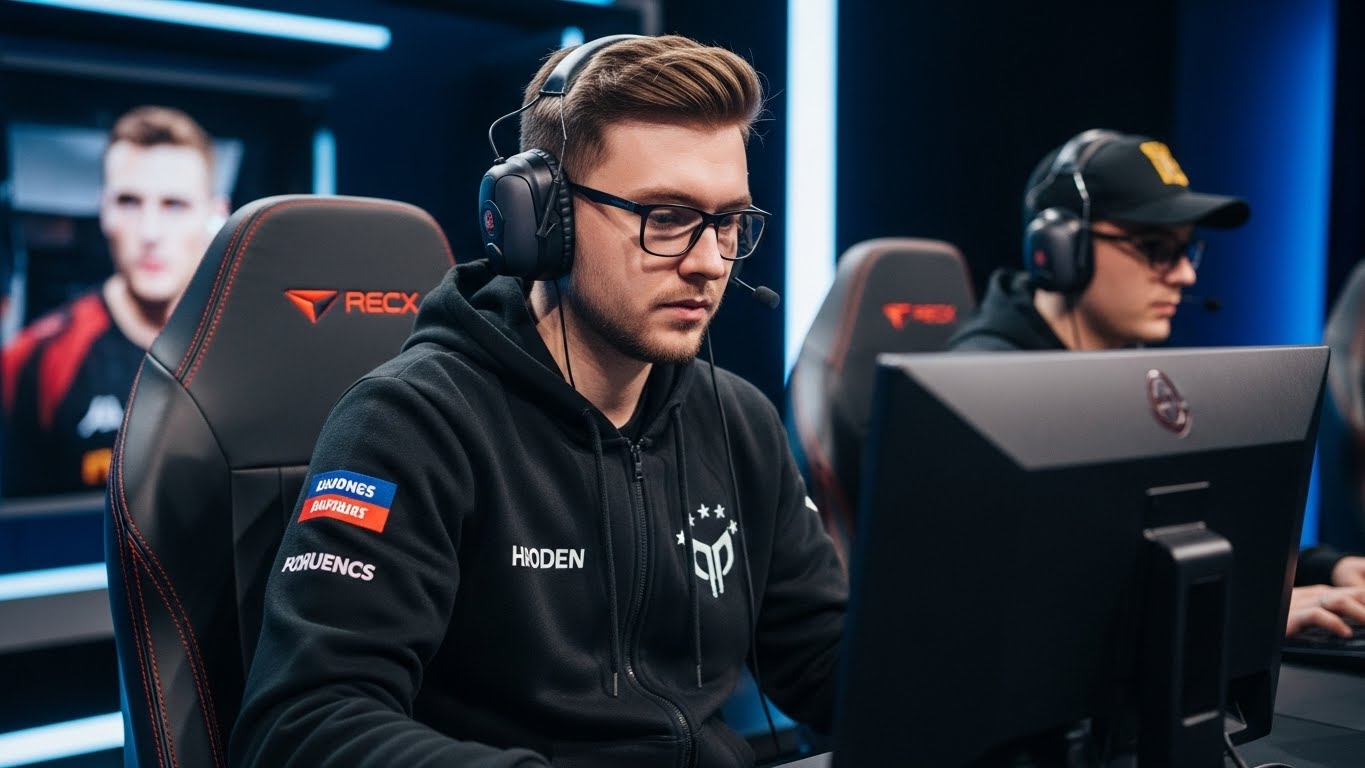
One of the most transformative aspects of esports is the emergence of professional players. Unlike casual gaming, professional esports requires discipline, practice, and strategic understanding of the game. Top-tier players often train for eight to twelve hours a day, mirroring the dedication of traditional athletes.
Professional esports careers are supported by teams, sponsors, and streaming platforms. Teams provide salaries, coaching, and infrastructure, while sponsorships from major brands generate revenue for both players and tournaments. Streaming on platforms such as Twitch or YouTube allows players to connect directly with audiences, monetize their content, and build personal brands.
Beyond players, esports offers career opportunities in coaching, event management, broadcasting, marketing, and game development. The ecosystem has grown so rapidly that esports has become a legitimate professional field, with some players achieving celebrity-like status and earning salaries comparable to traditional sports stars.
The Economics of Esports
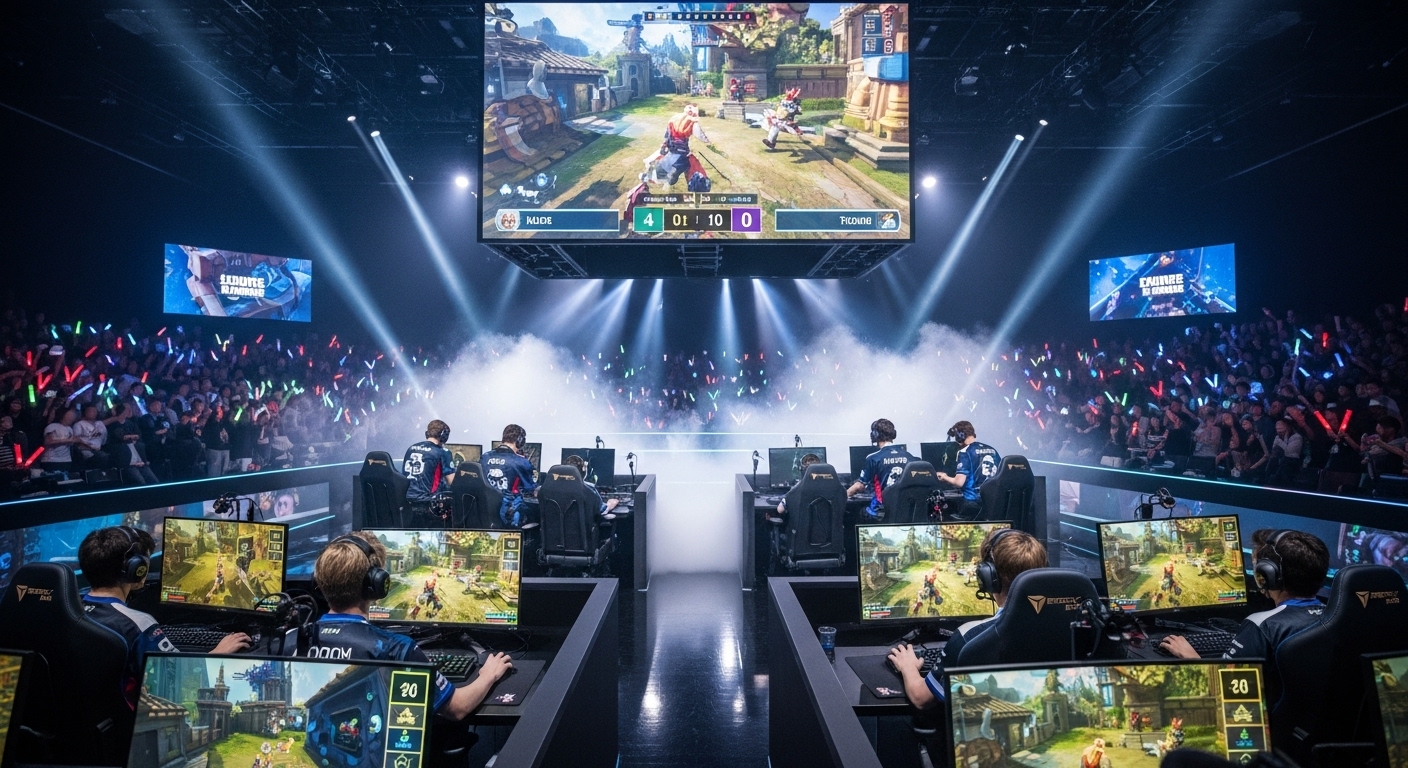
The esports industry has witnessed exponential growth in recent years, with revenue streams coming from sponsorships, advertising, merchandise, ticket sales, and media rights. Large-scale tournaments can offer prize pools exceeding millions of dollars, drawing both professional players and global audiences.
Sponsorship deals are particularly significant, as companies recognize the value of reaching a predominantly young, tech-savvy audience. Brands outside the gaming industry, from energy drinks to apparel companies, invest heavily in esports partnerships. This financial ecosystem not only sustains professional players but also supports the infrastructure required for tournaments, leagues, and streaming platforms.
Furthermore, the digital nature of esports reduces the logistical costs associated with traditional sports. There is no need for physical stadiums, extensive travel, or complex broadcasting setups. With live streaming technology, tournaments can reach millions of viewers worldwide at a fraction of the cost, making esports both scalable and profitable.
The Cultural Impact of Esports
Esports has become more than just competition; it has influenced popular culture, social interaction, and media consumption. Online communities, fan clubs, and social media platforms have created spaces for players and fans to connect, share experiences, and celebrate achievements. Cosplay, fan art, and memes have all become integral parts of the esports culture, enriching the community beyond the games themselves.
Moreover, esports has challenged traditional notions of athleticism and competition. Skills such as strategic thinking, teamwork, quick decision-making, and hand-eye coordination are celebrated, demonstrating that competitive excellence is not confined to physical sports. This shift has also contributed to the growing acceptance of gaming as a legitimate career path and form of entertainment.
Challenges Facing Esports
Despite its growth, esports faces several challenges that could affect its long-term sustainability. One major issue is player burnout. The demanding schedules, high pressure, and mental stress can lead to physical and psychological strain, particularly for young players.
Regulation and standardization are also ongoing challenges. Unlike traditional sports, esports lacks a centralized governing body to oversee rules, player contracts, and tournament standards. This fragmentation can lead to inconsistencies and disputes within the industry.
Finally, inclusivity remains a concern. While esports is more accessible than many traditional sports, gender disparity and representation continue to be issues. Efforts are being made to encourage diversity, but there is still work to be done to create an equitable competitive environment.
The Future of Esports
The future of esports is incredibly promising. Advancements in virtual reality and augmented reality may introduce new forms of competition, further blurring the line between gaming and physical activity. Global tournaments are likely to grow in scale and prestige, potentially rivaling traditional sports in viewership and cultural influence.
Esports education is also emerging as a viable pathway. Universities and colleges now offer scholarships for esports players, programs in game design, and courses focused on the business aspects of competitive gaming. This formalization signals that esports is not a passing trend but a permanent fixture in the landscape of entertainment, sports, and education.
Furthermore, the integration of esports with mainstream media, including television, streaming services, and sponsorship deals with major brands, ensures continued visibility and growth. As technology continues to advance, esports will likely expand into untapped markets and audiences, cementing its place in global culture.
Conclusion: Esports as a Cultural and Economic Force
Esports represents a revolution in how people compete, consume entertainment, and define skill. From its humble beginnings in arcades to the professional leagues and tournaments of today, it has grown into a multi-billion-dollar industry with a global audience. Beyond economics, esports has reshaped culture, challenged traditional notions of sports, and created new opportunities for players and professionals alike.
As technology continues to evolve, and as gaming becomes even more integrated into daily life, esports will remain at the forefront of this digital revolution. It is no longer a niche pastime—it is a dynamic, influential force shaping the future of entertainment, careers, and global culture.