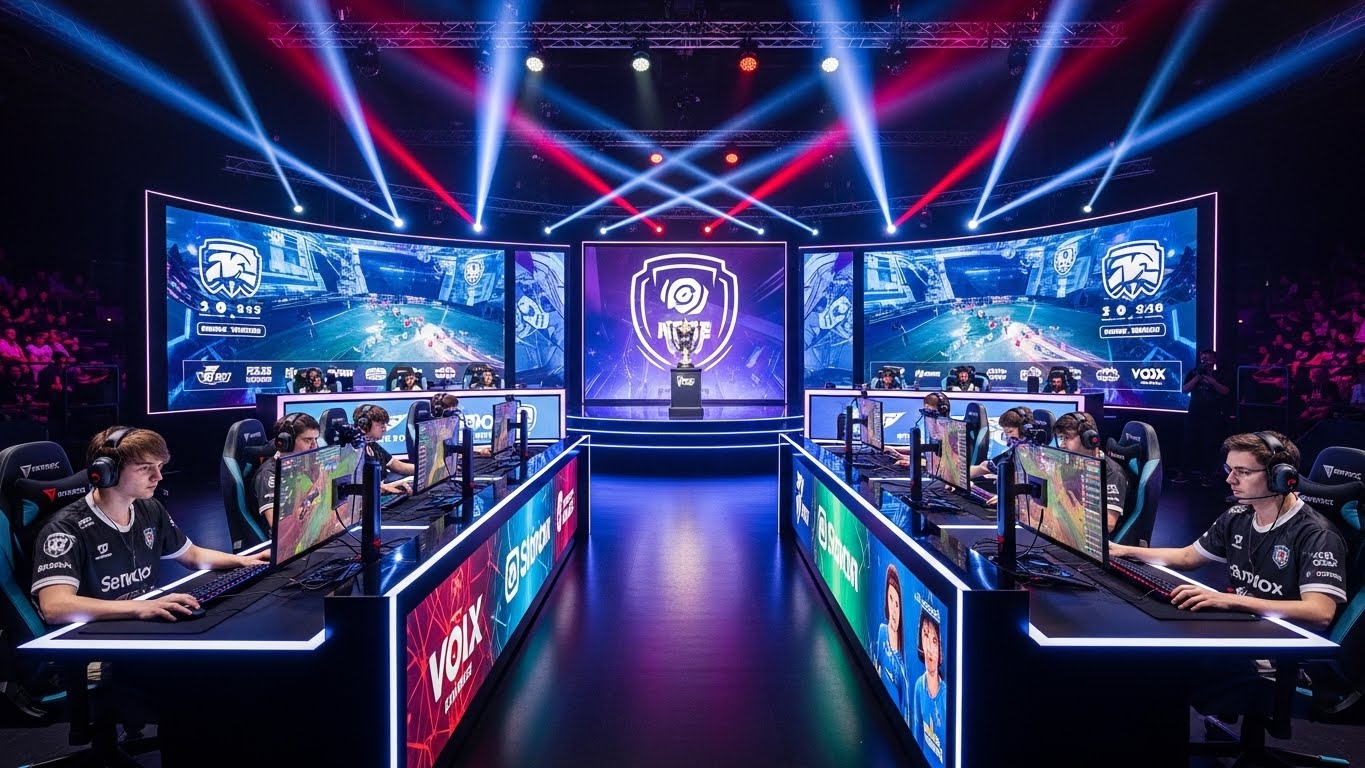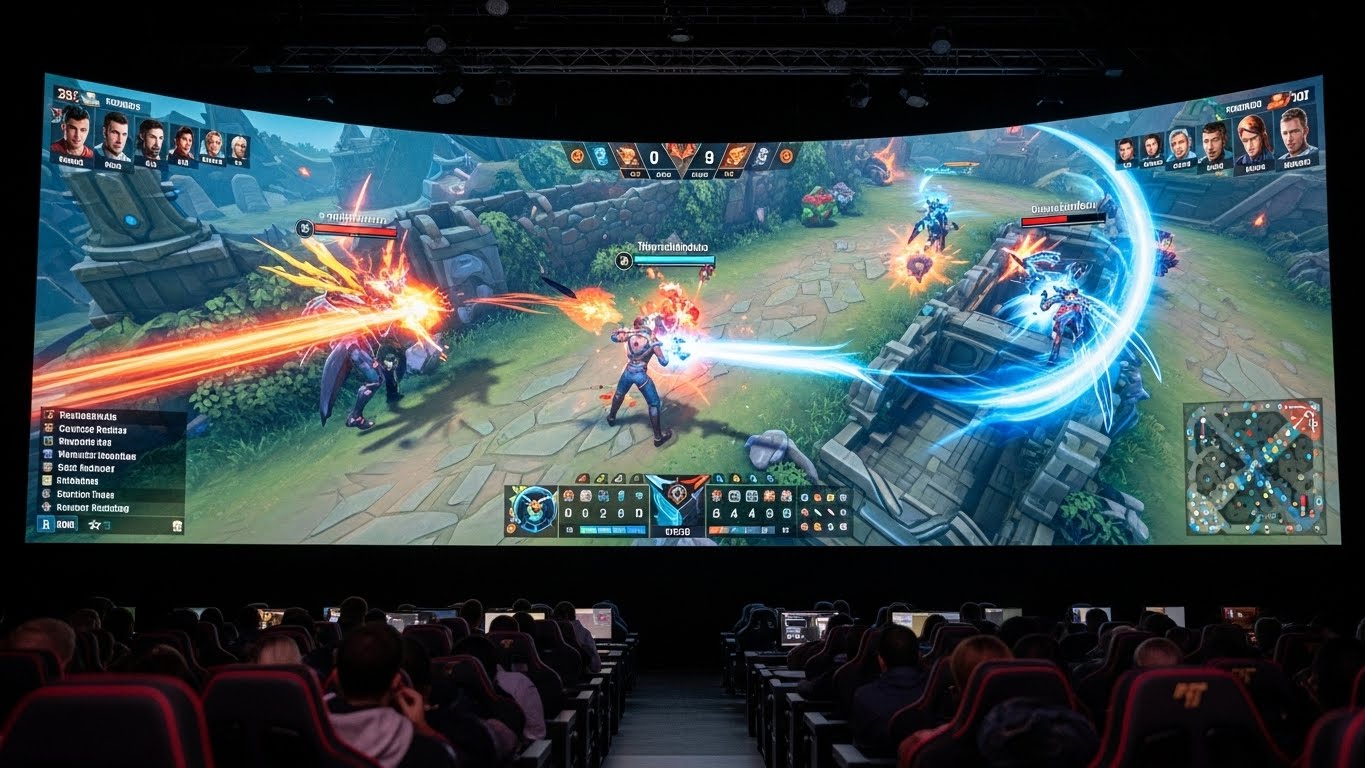
Esports has grown from a niche hobby into a global phenomenon, transforming video games into organized competitive spectacles watched by millions. What was once casual gaming among friends has evolved into a multi-billion-dollar industry with professional players, teams, coaches, and massive tournaments. Esports is more than entertainment; it is a cultural movement, a career path, and a platform for innovation. This blog explores the evolution of esports, its social and economic impact, and why it has become a defining element of modern digital culture.
Understanding Esports
Esports, or electronic sports, refers to competitive video gaming where individuals or teams compete under formal rules and structured tournaments. Unlike casual gaming, esports demands skill, strategy, and dedication. Players must master complex mechanics, understand game dynamics, and maintain focus under high-pressure situations.
Esports spans multiple genres, including multiplayer online battle arenas, first-person shooters, real-time strategy games, and sports simulations. Each genre challenges different skill sets, making esports a diverse and inclusive competitive field that appeals to a wide audience.
The Rise of Professional Esports
Esports has transformed from hobbyist competitions to professional careers. Early tournaments were informal, often held in internet cafés or local gaming events. With the proliferation of high-speed internet and streaming platforms, competitions became global, allowing players to reach audiences and sponsors worldwide.
Today, professional players sign contracts, earn salaries, and participate in leagues that resemble traditional sports in structure and management. Teams have dedicated coaches, analysts, and even nutritionists and psychologists to support peak performance. This professionalization has legitimized esports as a serious career option and not just a pastime.
Skills Required in Esports
Success in esports requires far more than fast reflexes. Players need advanced strategic thinking, decision-making under pressure, and adaptability. Understanding opponents’ tactics, predicting moves, and executing team strategies are critical to victory.
Mental resilience is also essential. Players face intense competition, audience scrutiny, and long hours of practice. They must manage stress, maintain focus, and recover quickly from setbacks. The combination of cognitive, emotional, and technical skills makes esports a uniquely demanding discipline.
Teamwork and Communication
Many esports titles are team-based, emphasizing collaboration and communication. Effective teamwork can make the difference between winning and losing, requiring players to coordinate strategies, share information, and trust one another.
Beyond gameplay, teams rely on coaches and analysts to evaluate performance, suggest improvements, and prepare strategies. Esports demonstrates that digital competition fosters teamwork, leadership, and interpersonal skills, much like traditional sports.
Esports as a Cultural Phenomenon
Esports is more than just competitive gaming; it is a cultural movement. Fans across the globe follow tournaments, cheer for teams, and participate in online communities. International events, such as major esports championships, draw millions of viewers, creating shared experiences that transcend geography.
Esports has influenced fashion, language, and entertainment trends. Streamers and professional players have become influencers, shaping online culture and inspiring younger generations. The community-driven nature of esports fosters creativity, collaboration, and a sense of belonging.
Streaming and Fan Engagement
Streaming has played a pivotal role in esports’ growth. Platforms allow fans to watch live matches, interact with players, and engage in real-time discussions. Fans can follow their favorite players’ routines, strategies, and personal stories, creating a level of engagement unavailable in many traditional sports.
This interactive model has expanded esports’ appeal, turning audiences into active participants and creating opportunities for content creators, analysts, and commentators. Streaming has transformed esports into a participatory and social experience.
Youth, Education, and Esports
Esports resonates strongly with younger generations who grew up in digital environments. Many students see competitive gaming as both a passion and a potential career. Educational institutions have started recognizing esports as a legitimate extracurricular activity, with scholarships and campus leagues supporting student participation.
Participating in esports teaches valuable skills, including strategic thinking, communication, digital literacy, and time management. Structured programs encourage discipline, collaboration, and goal setting, demonstrating that esports can be both recreational and educational.
Inclusivity and Accessibility
One of esports’ greatest strengths is accessibility. Unlike traditional sports, physical strength or body type does not determine success. Players of different genders, abilities, and backgrounds can compete on equal footing, making esports an inclusive platform.
Efforts to improve diversity are expanding. Initiatives supporting women, marginalized communities, and players with disabilities are growing, ensuring esports continues to offer opportunities for a wide range of participants. Accessibility and inclusivity remain central to the industry’s identity and growth.
Economic Impact of Esports
Esports is a multi-billion-dollar industry that generates revenue through tournaments, sponsorships, merchandise, media rights, and content creation. The ecosystem supports jobs in gaming development, event management, marketing, coaching, and broadcasting.
Major tournaments attract global audiences, boosting local economies through tourism, hospitality, and media production. Esports also drives innovation in technology, streaming, and online entertainment, cementing its role as both a cultural and economic powerhouse.
Health and Lifestyle Considerations
While esports offers many benefits, it presents unique health challenges. Extended gaming sessions can lead to physical strain, eye fatigue, and musculoskeletal issues. Mental health concerns, such as stress and burnout, are common in highly competitive environments.
Professional organizations emphasize holistic wellness, including physical exercise, nutrition, mental health support, and structured schedules. These measures help players maintain long-term performance and avoid negative health outcomes.
Technology Driving Esports
Technology is at the heart of esports. Advances in gaming hardware, software, and analytics improve player performance and viewer experience. High-quality graphics, fast refresh rates, and precise input devices allow competitive play at the highest level.
Broadcasting technology, including live streaming, real-time stats, and immersive visuals, enhances audience engagement. Emerging technologies, such as virtual reality and AI-driven analytics, are expected to further transform esports, offering new gameplay formats and interactive experiences.
The Future of Esports
The future of esports is promising and full of innovation. Integration with traditional sports, media, and education is likely to expand its influence. Esports may also play a role in workforce development, teaching digital skills and strategic thinking applicable beyond gaming.
As technology continues to evolve, esports will explore new interactive experiences, immersive formats, and global fan engagement strategies. Its adaptability ensures that it will remain a leading form of competitive entertainment for years to come.
Conclusion: Esports as a Defining Force
Esports represents a unique intersection of skill, strategy, technology, and culture. It has transformed gaming into a global movement that empowers players, entertains audiences, and drives economic growth. Beyond entertainment, esports fosters discipline, teamwork, resilience, and innovation.
As esports continues to grow, it challenges traditional notions of sport, competition, and career paths. It proves that excellence, dedication, and strategic thinking can thrive in digital arenas just as powerfully as on physical fields. Esports is not a passing trend; it is a defining aspect of modern culture, shaping how people compete, connect, and create in the digital age.