The Rise of a New Era in Competition
In the last two decades, a revolution has taken shape within the digital realm—one that has transformed video games from a casual pastime into a professional and global phenomenon. Esports, or electronic sports, have risen from humble beginnings in internet cafés and small LAN gatherings to fill arenas, attract millions of online viewers, and create multimillion-dollar industries. This digital competition has not only redefined what it means to be an athlete but has also reshaped the entertainment landscape.
The evolution of esports is not merely a story about gaming; it is about how technology, culture, and connectivity have fused to create something entirely new. The rise of competitive gaming signals a shift in human behavior, where digital skill, mental strategy, and teamwork are celebrated as much as physical athleticism once was.
From Arcades to Arenas
The roots of esports can be traced back to the arcade era of the late 1970s and early 1980s, when gamers would compete for high scores on titles like Space Invaders or Pac-Man. However, the modern era of esports began to take shape in the early 2000s, driven by the expansion of broadband internet and the emergence of competitive titles such as Counter-Strike, Warcraft III, and StarCraft.
What began as small tournaments in community halls quickly grew into global events. By the 2010s, esports had become a worldwide spectacle, with professional leagues, sponsorships, and millions of dollars in prize pools. Games like League of Legends, Dota 2, and Overwatch drew audiences that rivaled traditional sports broadcasts. The digital arena had truly arrived, and it was here to stay.
The Technological Foundation of Esports
Esports would not exist without the remarkable advancements in technology that have made global connectivity seamless. High-speed internet, powerful gaming hardware, cloud infrastructure, and streaming platforms have together built the foundation of this industry.
Gaming hardware manufacturers have pushed the boundaries of performance, developing graphics cards and processors capable of rendering complex visuals at lightning-fast speeds. Meanwhile, streaming technology allows players to broadcast matches to millions around the world in real-time. This technological ecosystem not only fuels the competition but also fosters a thriving community of fans, creators, and analysts who engage with every match.
The integration of artificial intelligence and data analytics has also entered the esports scene. Teams use AI-driven insights to study player performance, analyze opponents’ strategies, and refine their gameplay. Just as physical athletes study game footage, esports teams use digital data to gain a competitive edge.
The Players: Athletes of the Digital Generation
Esports athletes may not run laps or lift weights in the traditional sense, but their level of dedication, reflexes, and focus rival that of any physical sport. A professional player spends countless hours each day practicing, strategizing, and communicating with teammates. Reaction times are measured in milliseconds, and decision-making must happen faster than the blink of an eye.
These players are modern-day strategists, mastering not just one skill but an entire digital environment. Whether it’s micro-managing resources in a real-time strategy game or executing precise mechanical movements in a first-person shooter, the blend of mental agility and teamwork defines success.
The psychological demands are immense. Concentration, stress management, and adaptability are critical for victory. Many top teams now employ sports psychologists, nutritionists, and coaches to support their players. This professionalization has elevated esports athletes to a new level of recognition and respect.
Global Esports Ecosystem and Economy
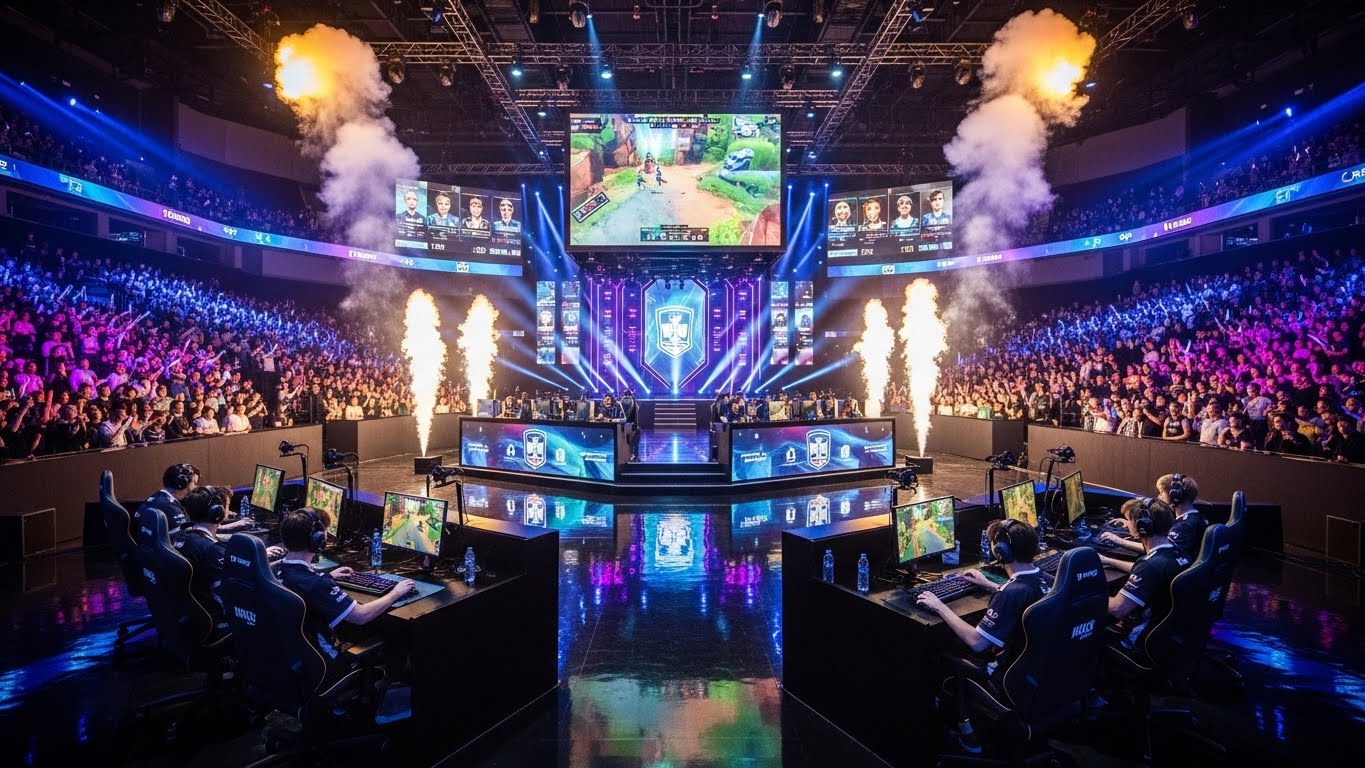
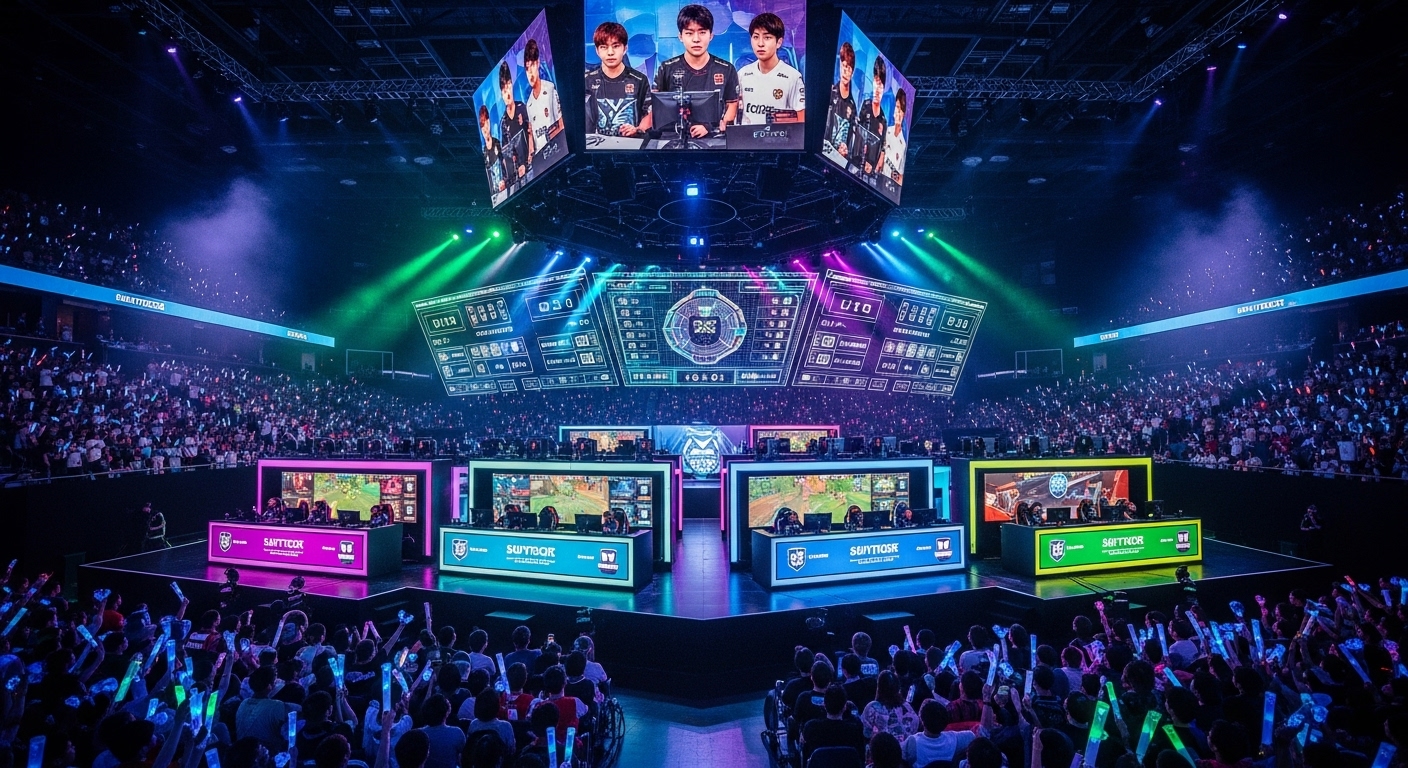
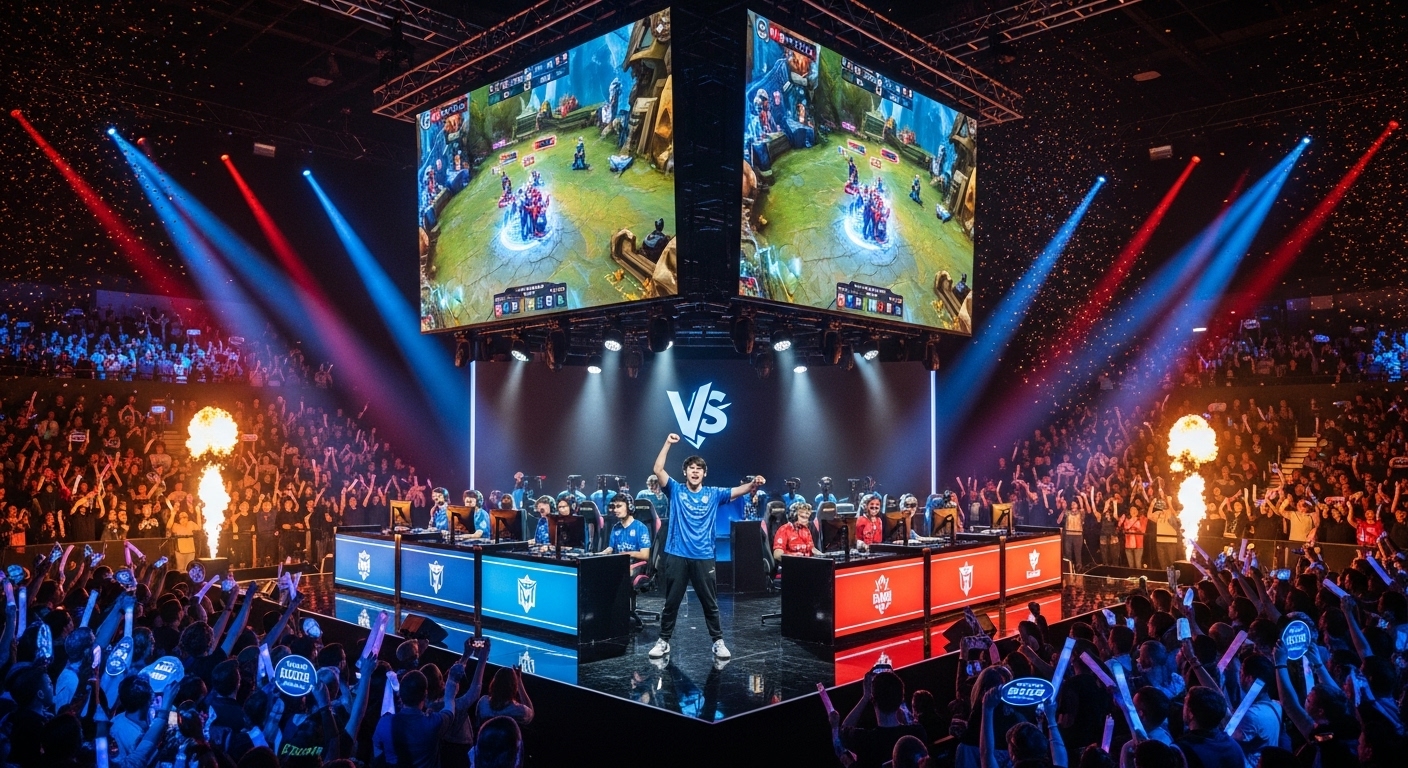
Esports is no longer a niche market—it’s a thriving industry valued in billions. Major corporations sponsor teams and tournaments, streaming services compete for broadcasting rights, and gaming publishers invest heavily in competitive scenes for their titles. Entire cities now host international esports events that fill massive stadiums, attracting fans from around the world.
This economic boom extends beyond tournaments. Merchandise sales, streaming platforms, advertising deals, and digital content creation all contribute to a vast ecosystem. Professional organizations operate like sports franchises, complete with branding, fan engagement strategies, and global fanbases.
In addition, universities and schools are recognizing the legitimacy of esports as a career path. Scholarships, dedicated esports programs, and academic studies on game design, broadcasting, and marketing are opening new doors for young aspirants. The digital economy surrounding esports is not only changing entertainment but also education and employment.
Esports and Cultural Influence
Esports has become a cultural force that transcends boundaries of geography, age, and language. The universality of gaming allows players from different countries to compete on equal ground. It has united millions of fans under one global digital banner.
Pop culture has also embraced esports. From music collaborations to mainstream media coverage, esports has gained a seat at the table of modern entertainment. Celebrities, athletes, and influencers invest in teams, appear in gaming events, and actively engage with gaming communities. The line between traditional and digital culture continues to blur.
Moreover, esports has become a platform for self-expression and identity. Players create digital personas, teams develop unique brands, and fans build communities around shared passion. This interactivity and inclusiveness give esports a distinctive edge over conventional sports, where spectators are often just passive viewers.
Challenges Facing the Esports Industry
Despite its rapid growth, esports faces several challenges that could shape its future. Player burnout is one of the most pressing issues. The intense practice schedules and constant travel can take a physical and mental toll on players. Establishing sustainable systems to protect athlete health is essential for long-term success.
Another major challenge is maintaining fair play. Issues such as cheating, match-fixing, and hacking can damage the integrity of competition. Game publishers and tournament organizers are continually developing stronger regulations and monitoring systems to prevent unethical behavior.
There are also concerns around inclusivity. While esports is a global and diverse space, it still struggles with representation, especially for women and minority groups. Encouraging diversity and creating safe spaces for all participants are vital steps toward a more equitable future.
The Future of Esports: Technology and Beyond
Looking forward, esports will continue to evolve alongside technology. Virtual reality and augmented reality could redefine how games are played and watched. Imagine players competing in mixed-reality environments where digital and physical spaces blend seamlessly, creating new immersive experiences for both players and fans.
Blockchain technology may also influence esports, offering new models for digital ownership, tournament organization, and prize distribution. Additionally, the integration of 5G networks and cloud gaming will further remove barriers to entry, allowing players from anywhere in the world to compete without needing high-end equipment.
Artificial intelligence will likely continue shaping strategies, coaching, and training methodologies. Esports could even become part of the Olympic Games in the near future, further blurring the line between traditional and digital sports.
Conclusion: The Dawn of a New Digital Legacy
Esports represents far more than just competition—it’s the story of human innovation meeting entertainment. It reflects how far technology has come and how deeply it influences our culture, economy, and daily lives. What began as simple gaming has transformed into an ecosystem that connects millions across continents, languages, and devices.
The digital stadium is open to everyone. From casual players to global champions, the world of esports welcomes all who dare to compete, collaborate, and create. It symbolizes the new frontier of sportsmanship, creativity, and community in the age of technology.
As we move deeper into this digital century, esports will continue to shape not only how we play but also how we connect as a global society. The future of competition is here—and it’s powered by pixels, passion, and limitless possibility.