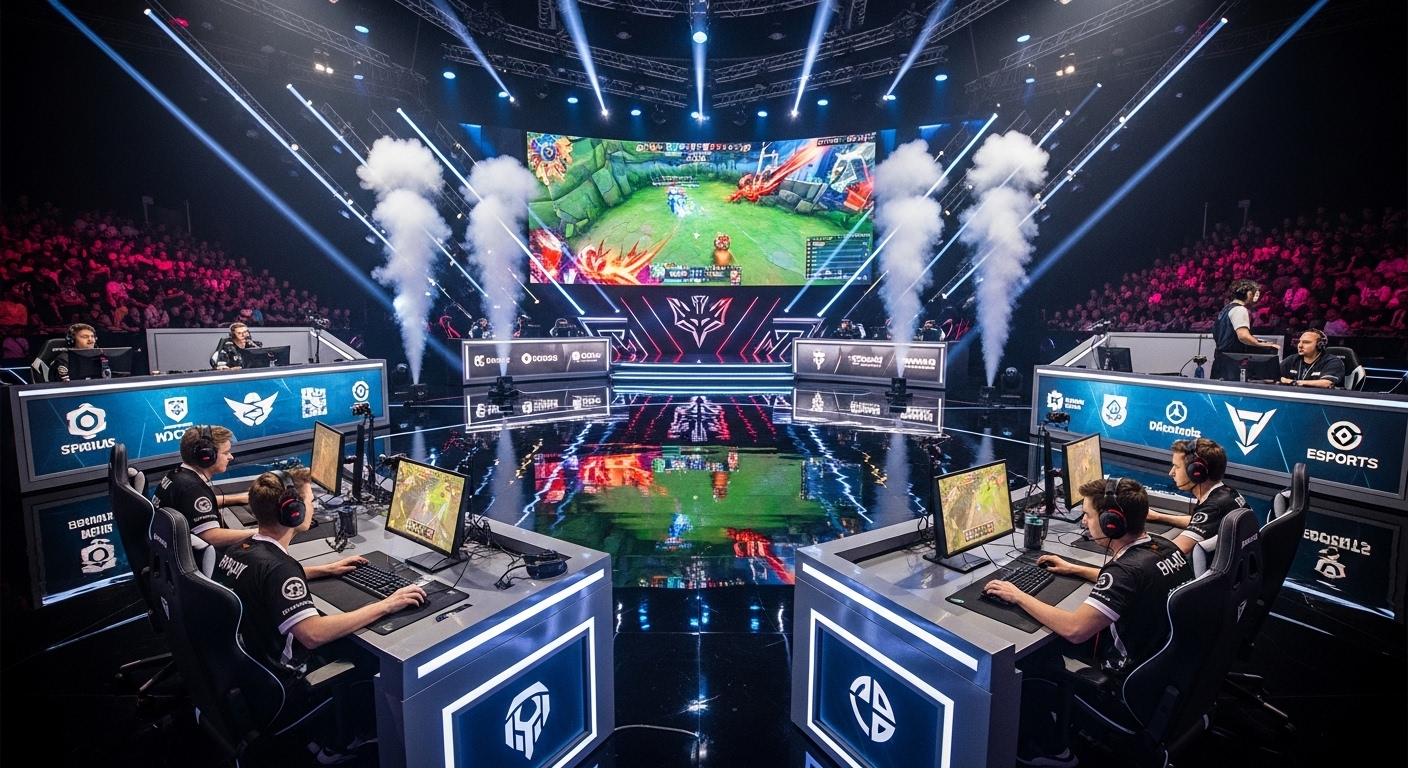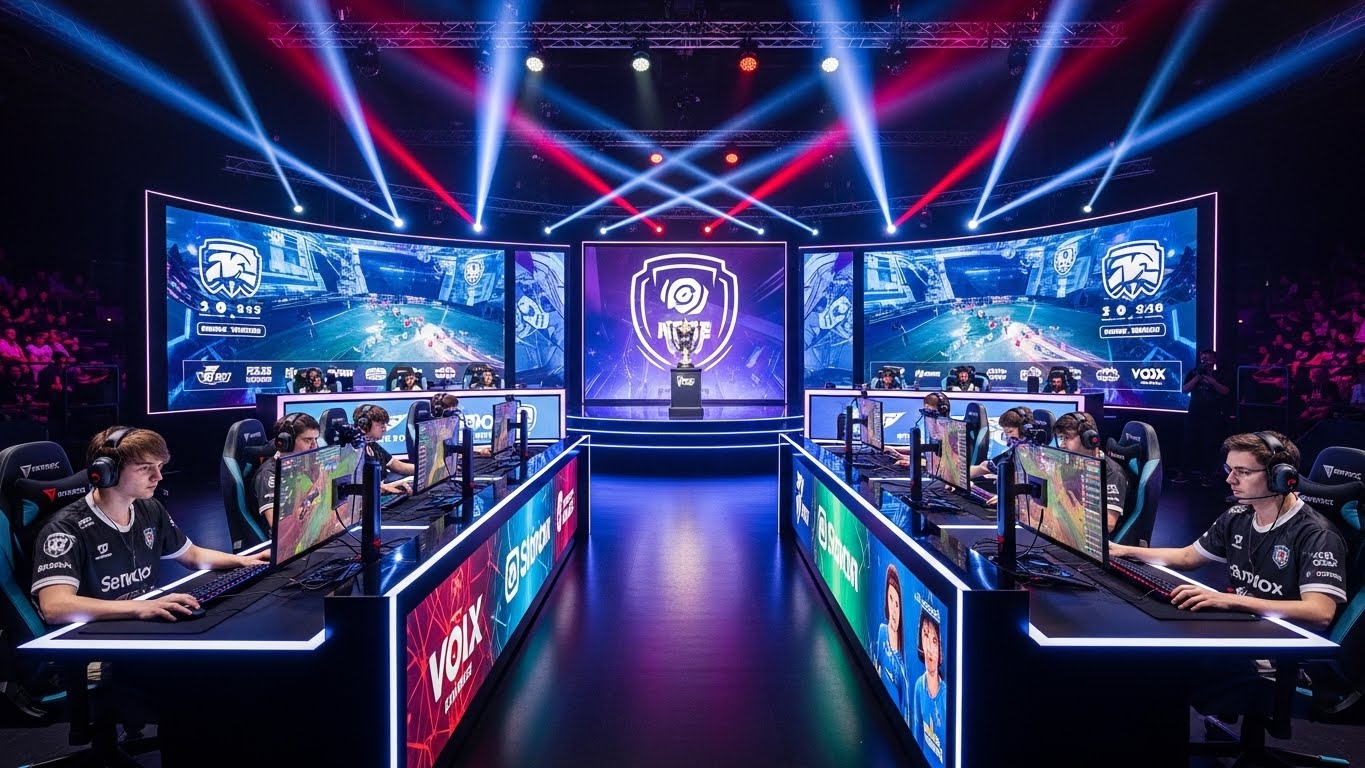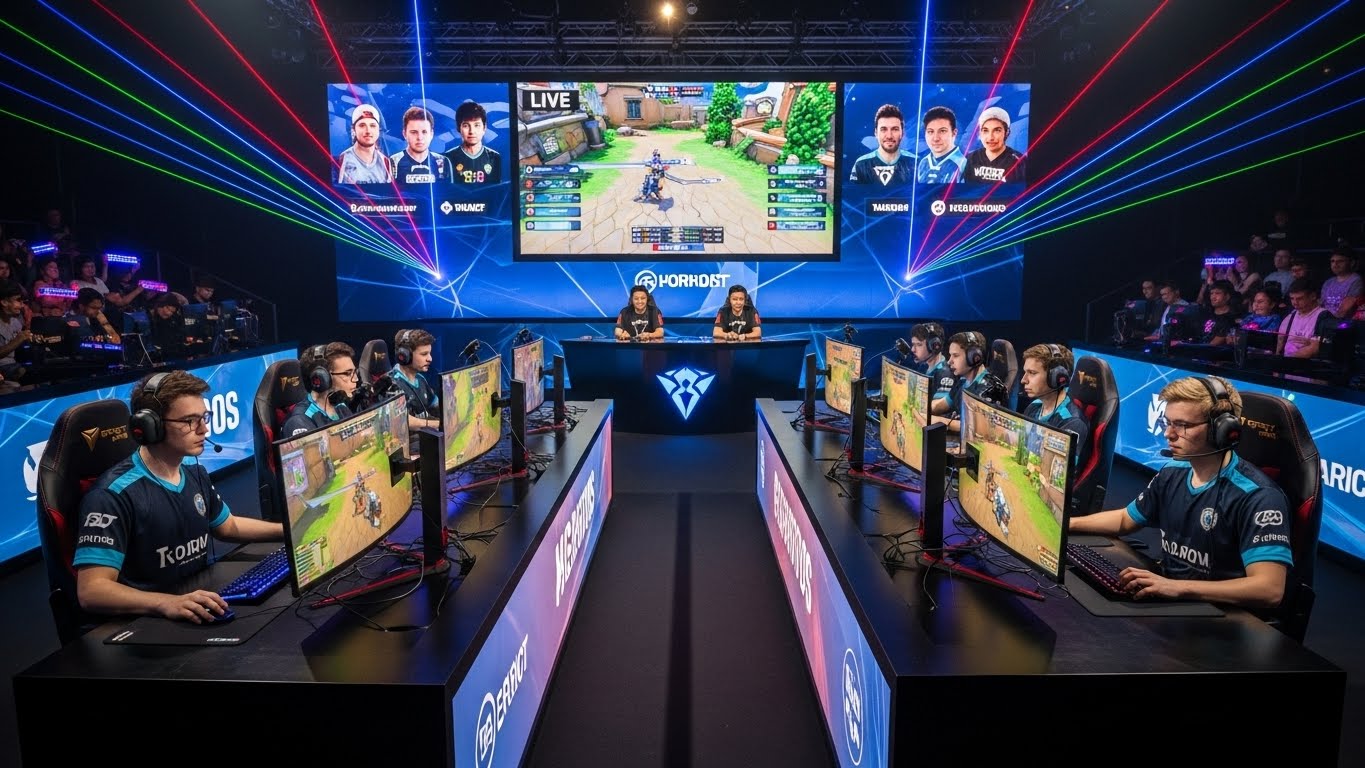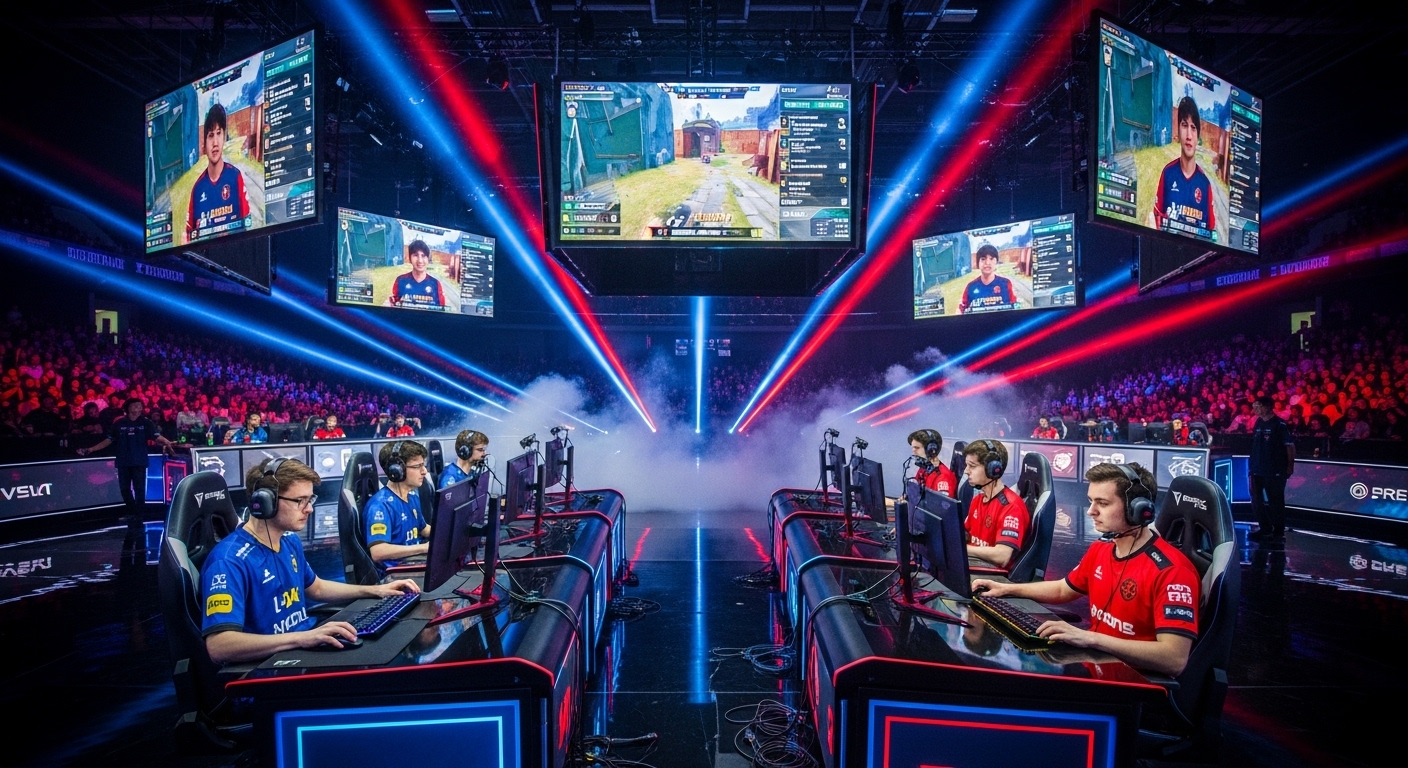
Esports, once considered a niche hobby for a dedicated few, has grown into a multi-billion-dollar industry in just a few decades. The term “esports” (electronic sports) now signifies a global phenomenon, encompassing professional competitions, sponsorships, streaming, and a vast community of players and fans alike. From small-scale tournaments to massive international events, esports has become an integral part of modern entertainment. But what makes esports so popular? Why has it evolved into such a huge industry? In this blog post, we’ll take a deep dive into the rise of esports, examining its history, growth, and the factors contributing to its dominance in the digital age.
What is Esports?
At its core, esports is competitive video gaming at the professional level. Players or teams compete against each other in various video game titles, ranging from real-time strategy (RTS) games like StarCraft to multiplayer online battle arena (MOBA) games like League of Legends and first-person shooters (FPS) like Counter-Strike: Global Offensive. Esports competitions are organized at different levels, from local tournaments to global championships, and often feature large prize pools, professional broadcasting, and sponsorship deals.
Esports is more than just playing video games—it’s a full-fledged entertainment ecosystem. It includes tournament organizers, content creators, streamers, fans, coaches, analysts, and even social media influencers who all play key roles in the scene. Unlike casual gaming, esports involves rigorous training, strategic gameplay, teamwork, and high-level performance, often resembling traditional sports in its organization and structure.
The History of Esports: From Arcades to the Internet Age
The roots of esports can be traced back to the late 20th century when competitive gaming began to take shape. The first notable tournament was the Space Invaders Championship, held in 1980. Sponsored by Atari, it marked the beginning of competitive gaming in arcades, where players could face off against one another in a series of challenges. While these early competitions were modest compared to today’s esports tournaments, they laid the groundwork for a future where video games would become more than just pastimes.
However, it wasn’t until the rise of online multiplayer games in the 1990s and early 2000s that esports began to take on the shape we recognize today. Games like Quake, StarCraft, and Warcraft III created competitive communities around them, offering players the opportunity to compete globally over the internet. The creation of platforms like Battle.net and early gaming leagues like the Cyberathlete Professional League (CPL) helped formalize esports and began attracting sponsors, professional players, and fans.
The real turning point for esports came with the explosion of streaming platforms, particularly Twitch, which launched in 2011. Twitch made it possible for gamers to broadcast their gameplay in real-time, creating a new avenue for viewers to watch competitive gaming from the comfort of their homes. This contributed greatly to the growth of esports, as fans could now tune in to their favorite players or teams with ease.
The Growth of Esports: Big Money, Big Audiences
In the past decade, esports has evolved from a subculture to a mainstream industry. In 2020, the global esports industry was valued at over $1 billion, and it continues to grow at a rapid pace. Factors like the increasing accessibility of gaming, the rise of streaming services, the expansion of major game publishers, and the increasing involvement of traditional sports organizations have all contributed to esports’ widespread success.
1. Expanding Audience Reach
One of the primary reasons for esports’ meteoric rise is its ability to attract large and diverse audiences. Traditional sports have always had a loyal fan base, but esports has tapped into a younger, tech-savvy demographic that grew up with video games as a part of their culture. In fact, research has shown that more people between the ages of 18 and 34 watch esports than traditional sports like baseball, hockey, and even basketball.
Moreover, the global nature of the internet means that esports competitions can reach viewers across the world. Unlike traditional sports, where local time zones and broadcast rights can limit accessibility, esports fans can watch tournaments live from any location with an internet connection. Major tournaments, such as The International for Dota 2 or the League of Legends World Championship, regularly attract millions of viewers both in person and through online streaming platforms like Twitch and YouTube Gaming.
2. Sponsorship and Investment
As esports continues to grow, big-money sponsors have been eager to jump on the bandwagon. Brands across industries—from beverage companies like Red Bull to tech giants like Intel—are heavily invested in esports, seeking to reach a young, engaged audience. Sponsorship deals have fueled the growth of esports leagues, teams, and players, with some players now earning multimillion-dollar salaries, endorsement deals, and prize money.
The influx of investment has not only helped fund tournaments and player salaries but also contributed to the professionalization of the industry. Esports teams now have coaching staffs, analysts, nutritionists, and managers to help their players perform at their best. Some teams have become brand names in their own right, with recognizable logos and merchandise that fans proudly support.
3. Streaming and Content Creation
Streaming has played a massive role in propelling esports into the mainstream. Platforms like Twitch, YouTube Gaming, and Facebook Gaming have created opportunities for gamers to showcase their skills, entertain audiences, and build personal brands. Top-tier streamers, such as Ninja, Shroud, and Pokimane, have amassed millions of followers and, in some cases, have transitioned from streaming to mainstream media and sponsorships.
For fans, the ability to watch esports tournaments in real-time, interact with streamers through chat, and consume content on-demand has been revolutionary. The sheer amount of content available—ranging from tutorials and commentary to live events and behind-the-scenes footage—has helped cultivate a dedicated and passionate fan base around esports.
Esports as a Career Path
In the past, gaming was seen as a hobby or a recreational activity, but today, professional gamers, coaches, analysts, and content creators can make substantial incomes. Competitive players can earn money through tournament prizes, sponsorships, streaming revenue, and even merchandise sales. The competitive nature of esports means that the top-tier players are highly skilled and dedicate significant time and effort to honing their craft.
Esports has also opened up career paths for people who may not be traditional athletes but still possess exceptional gaming skills. Coaches, analysts, and event organizers are now essential roles within esports teams and organizations. Furthermore, the growing demand for content creators and influencers in the esports space has led to the emergence of full-fledged esports content studios.
While not everyone will make a living as a professional player, the sheer breadth of job opportunities in the esports industry—from marketing and PR to game development and broadcasting—has created a sustainable ecosystem that provides opportunities for both gamers and non-gamers alike.
The Cultural Impact of Esports
Esports has evolved beyond just being a form of entertainment. It has become an integral part of popular culture, with esports events becoming the new “live sports” for younger generations. Major esports tournaments are often broadcast on traditional TV networks, and even celebrities and athletes have shown interest in the scene. The cultural crossover between traditional sports and esports is evident in how various teams, organizations, and even college programs have embraced competitive gaming.
Esports also has a significant impact on social media, with fans and players interacting online in real-time during competitions. The sense of community that has developed around games like League of Legends, Fortnite, and Overwatch is similar to the fandom seen in traditional sports, with players sharing moments of triumph and disappointment with their fans.
Diversity and Inclusion
One of the most exciting aspects of esports is its potential for inclusivity. While traditional sports have historically been gender-biased and racially homogenous, esports provides a platform where anyone can compete regardless of background, gender, or race. Professional esports has seen female players rise to prominence, and many tournaments have begun prioritizing diversity and inclusion in both their player rosters and viewership.
While challenges regarding representation persist, esports has proven to be an industry that values skill over physical attributes, allowing a more level playing field for everyone involved.
The Future of Esports
Looking to the future, it’s clear that esports is poised to continue growing. As technology advances, we can expect to see more immersive gaming experiences, larger tournaments with even bigger prize pools, and potentially new games that will shape the future of competitive gaming.
One area that will likely see explosive growth is the development of esports in schools and universities. With the rise of collegiate esports programs, students can now earn scholarships for competitive gaming, while schools develop their own esports teams and leagues. Esports has the potential to become as mainstream as traditional sports in academic institutions.
Additionally, as virtual reality (VR) and augmented reality (AR) technologies mature, esports may evolve into entirely new formats. The integration of VR gaming with traditional esports could open up even more possibilities for immersive competitions.
Conclusion
Esports has come a long way from its humble beginnings in arcade halls and local LAN parties. Today, it is a global, multi-billion-dollar industry that touches millions of players, fans, and spectators worldwide. With the support of streaming platforms, sponsorships, and dedicated communities, esports has become a cultural and economic force that shows no signs of slowing down. Whether you’re a casual player, an aspiring pro, or someone who simply enjoys watching competitive gaming, esports is shaping the future of entertainment. As technology continues to advance, we can only imagine the exciting developments that lie ahead for this thriving industry.