In recent years, the world of esports has skyrocketed from a niche interest to a massive global industry, captivating millions of viewers and players alike. Esports—competitive video gaming—has evolved far beyond the basement tournaments of the early 2000s to become a thriving sector worth billions. From professional leagues and high-profile tournaments to multi-million-dollar sponsorships, the esports industry is setting new standards in entertainment, technology, and culture. This blog post will explore the rise of esports, its rapid growth, its significance in modern entertainment, and the future of the industry.
What is Esports?
At its core, esports refers to competitive video gaming at a professional level. Players, often organized into teams, compete in multiplayer video games for monetary prizes, sponsorships, and fame. The games vary widely, from battle royales like Fortnite and Apex Legends to traditional multiplayer strategy games such as League of Legends and Dota 2. Esports also spans a wide range of genres, including first-person shooters (FPS), real-time strategy (RTS), and sports simulations.
Although competitive gaming has been around for decades, the term “esports” has only gained mainstream recognition in recent years. It is now used to describe professional gaming events that attract large audiences, both online and offline.
The Origins of Esports
The seeds of esports were sown in the early 1990s when competitive gaming was more of a hobby than a profession. Early esports events took place in arcades, with titles like Street Fighter II and Quake leading the charge. Quake, in particular, was one of the first games to feature large-scale competitive tournaments. In the late ’90s and early 2000s, games like StarCraft in South Korea began to dominate the competitive scene, marking the beginning of esports as we know it today.
By the early 2000s, the rise of online gaming, broadband internet, and platforms like Battle.net and Steam helped spread esports to a global audience. The competitive scene was no longer confined to local LAN parties or physical tournaments but had expanded to a global stage. It was during this time that the first major esports organizations and tournament organizers—such as Major League Gaming (MLG) and DreamHack—began to take shape.
Growth and Commercialization
Esports has grown exponentially over the last decade, fueled by a combination of factors including technological advancements, media exposure, and a shift in entertainment consumption habits. Today, esports is a multi-billion-dollar industry, with estimates suggesting that it will generate over $1.5 billion in revenue by 2025.
One key factor contributing to this growth is the increasing popularity of streaming platforms like Twitch and YouTube Gaming. These platforms have allowed players to broadcast their gameplay to a massive global audience, often attracting millions of viewers. With the ability to earn income through ad revenue, subscriptions, and donations, streamers have become celebrities in their own right, further cementing esports as a legitimate career path.
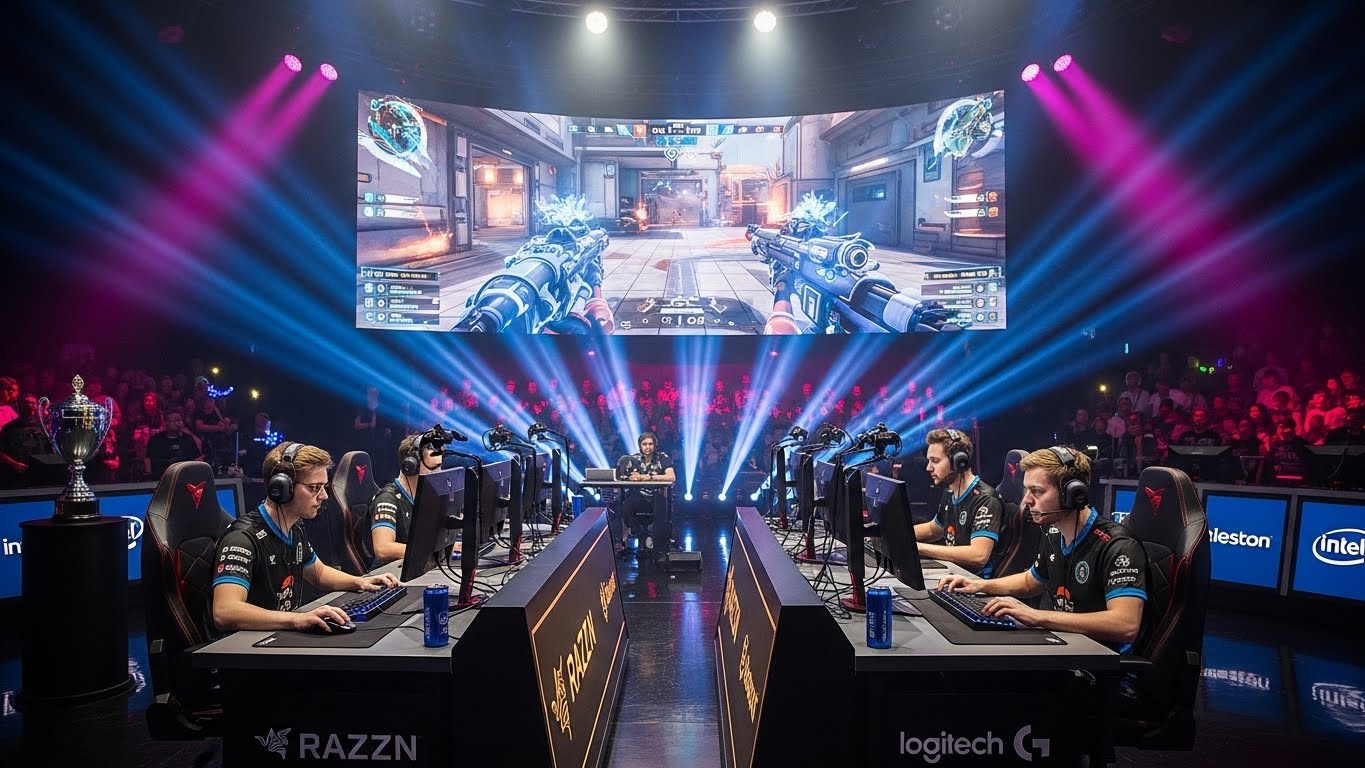
The esports industry has also seen an influx of investment from traditional sports organizations, media companies, and even tech giants. For instance, the NBA has its own esports league—NBA 2K League—while companies like Intel, Red Bull, and Coca-Cola have signed lucrative sponsorship deals with major esports events and teams.
The Esports Ecosystem
The esports ecosystem is made up of several key components that all work in harmony to create the multi-faceted world of competitive gaming.
- Professional Players and Teams: Just like traditional sports, esports has professional players and teams who compete in various leagues and tournaments. These players are often highly skilled, spending hours every day practicing and refining their techniques to stay competitive.
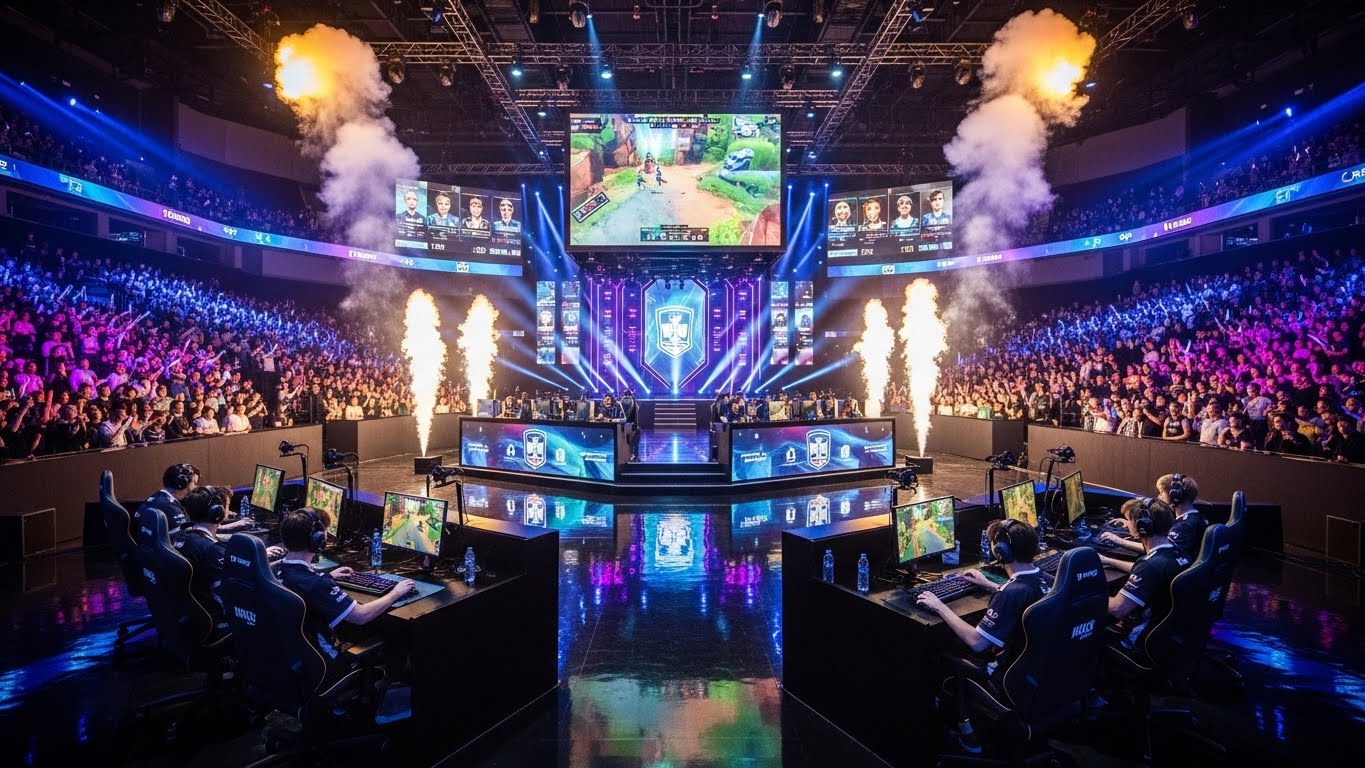
- Tournaments and Leagues: Esports tournaments can range from small local competitions to global events with millions in prize money. Major tournaments like The International (Dota 2) and the League of Legends World Championship attract tens of thousands of live attendees, with millions more watching online. These tournaments often feature a prize pool that can reach millions of dollars, drawing top-tier players from around the world.
- Streaming Platforms: Online streaming platforms like Twitch, YouTube Gaming, and Facebook Gaming are vital to the esports ecosystem. These platforms not only allow viewers to watch live events and streams but also give players and organizations a way to monetize their content. Some professional players even make more money from their streams than from tournament winnings.
- Sponsors and Partnerships: Like traditional sports, esports relies heavily on sponsorships from both endemic and non-endemic brands. Companies that sell gaming peripherals (headsets, keyboards, mice, etc.) are the primary sponsors, but many mainstream brands—such as Audi, Mercedes-Benz, and McDonald’s—are also involved in the industry.
- Media Coverage: As esports grows, so does its media presence. Dedicated esports networks like ESPN Esports and TBS’s Eleague have emerged, covering major tournaments and featuring esports news, analysis, and features. Online outlets such as Dexerto and The Esports Observer have also become key players in the industry, providing in-depth reporting and analysis.
The Global Appeal of Esports
Esports transcends borders. While South Korea is often considered the birthplace of esports as a professional industry, the growth of esports has been truly global. Today, regions such as North America, Europe, China, and Southeast Asia have become esports powerhouses.
In China, esports is a national pastime, and the government has even invested in esports infrastructure. The League of Legends Pro League (LPL) and Honor of Kings are massive draws in the region, with millions of fans tuning in to watch live streams. In Europe and North America, games like League of Legends, Counter-Strike: Global Offensive, and Overwatch are wildly popular, with well-established professional leagues.
Esports’ global appeal also lies in its accessibility. Unlike traditional sports that often require specialized equipment or facilities, all you need to participate in esports is a gaming setup and an internet connection. This has made competitive gaming more inclusive and accessible to people of all backgrounds.
Esports as a Career
For many players, esports has become a legitimate career path. While professional gaming may not be the only route, the industry offers a variety of career opportunities. Players can make a living through tournament winnings, sponsorships, and streaming. Behind the scenes, there are jobs in coaching, analysis, content creation, and event organization.
Additionally, the rise of college esports programs in North America and Europe has given young players a chance to earn scholarships and pursue professional gaming while still getting an education. Institutions like the University of California Irvine, Harrisburg University, and the University of Utah have already established competitive esports programs that rival traditional athletic programs.
The Future of Esports
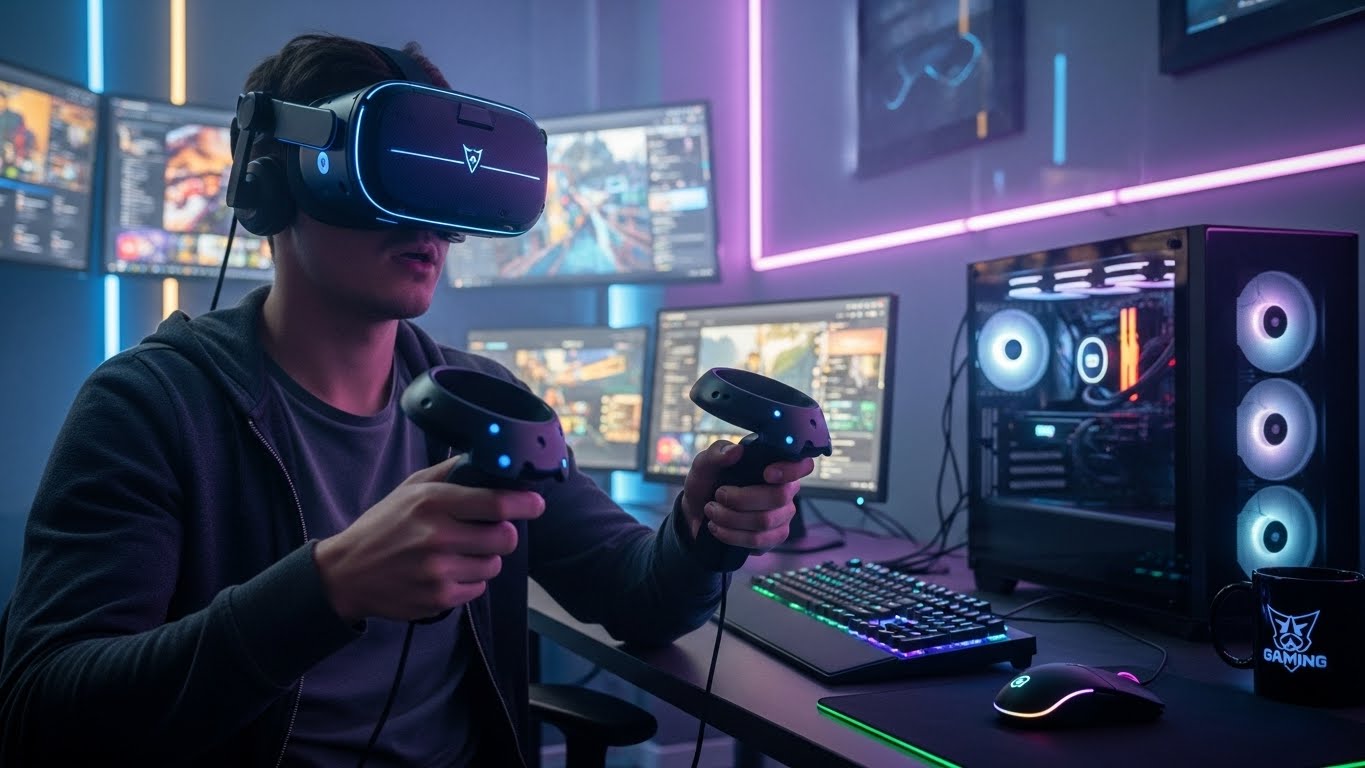
Looking ahead, the future of esports seems incredibly bright. The industry is on track to surpass traditional sports in terms of revenue and audience size in the coming years. One major factor contributing to this is the continued development of virtual and augmented reality (VR/AR) technology. As VR and AR technology becomes more advanced and accessible, it could change the way esports events are experienced, creating a more immersive environment for players and viewers alike.
Another exciting development is the expansion of esports into mainstream entertainment. Just as traditional sports have their own television channels, esports may soon have its own dedicated TV networks and even its own awards ceremonies, similar to the Grammys or the Academy Awards. With more big-name brands and celebrities jumping into the esports world, it’s clear that this industry is poised to continue growing and evolving.
Conclusion
Esports has come a long way since its humble beginnings as a hobby. From being a niche activity to becoming a global industry worth billions, esports is now a cultural force to be reckoned with. The growth of streaming platforms, the influx of sponsorships, and the rising popularity of professional leagues have transformed competitive gaming into a mainstream form of entertainment. As technology continues to evolve, and as more people embrace esports as a legitimate career path, its influence is only set to increase.
For fans, players, and those involved in the esports ecosystem, the future is an exciting prospect. The rise of esports shows that the gaming industry has evolved beyond entertainment to become a multi-faceted global industry that is reshaping the way we view competition, sports, and entertainment.