Introduction: The New Age of Competitive Gaming
Esports, once viewed as a niche pastime, has transformed into a dominant force in global entertainment. What began as small gatherings of friends competing in local arcades has grown into massive arenas filled with roaring fans, million-dollar tournaments, and an industry that rivals traditional sports in popularity. The rise of esports is not just a story about video games. It is a story about technology, community, innovation, and a generation redefining competition.
The Evolution of Competitive Gaming
The roots of esports stretch back to the early days of home computers and retro consoles. Back then, high scores were shared through word of mouth or printed in gaming magazines. Competitions were informal and often took place in living rooms or small game shops. As technology advanced, internet connectivity allowed players to compete across cities, countries, and continents. This marked the beginning of organized online tournaments and sparked the foundation of professional gaming communities.
Over the years, game developers began designing titles specifically with competitive play in mind. Real-time strategy games introduced tactical depth, fighting games tested precision and timing, and first-person shooters brought fast-paced team coordination. With every new genre came fresh audiences and greater opportunities to elevate gaming into something more structured and professional.
The Growth of Esports Organizations and Teams
Alongside the games themselves, professional teams started to form. These organizations scouted talented players, trained them, and created environments similar to traditional sports clubs. Players signed contracts, attended practice schedules, and worked with coaches, analysts, and support staff. The professionalism within these teams helped shape esports into a legitimate career path.
Organizations grew rapidly, building global fanbases and branding themselves with unique identities. Fans wore team jerseys, followed their favorite players on social platforms, and tuned in regularly to watch competitions. The growth of these organizations helped esports evolve from casual hobby to a well-structured, team-driven ecosystem.
The Role of Streaming and Live Broadcasting
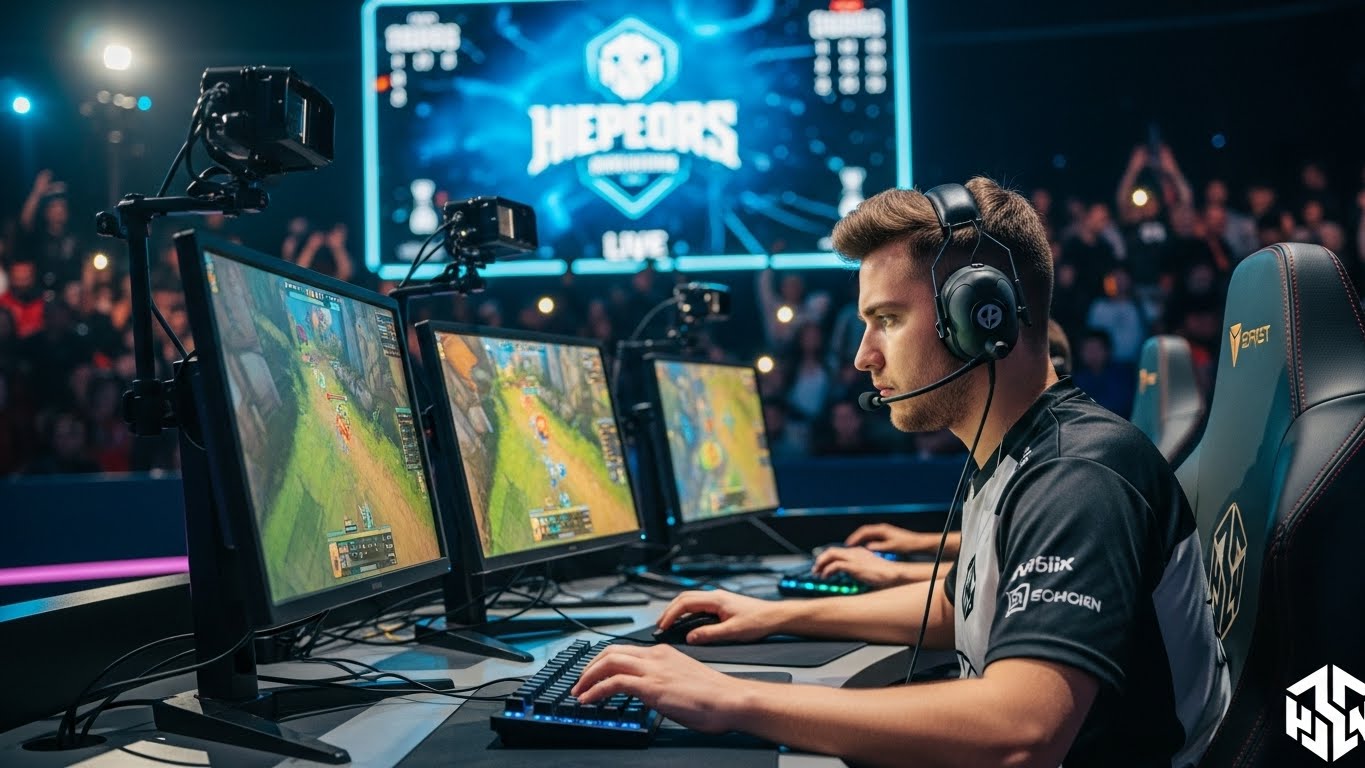
The explosion of livestreaming platforms changed everything. Suddenly, gamers were not only competing but also performing. Millions of viewers tuned in to watch tournaments, gameplay breakdowns, and live commentary. Broadcasting tools made it easy to follow professional matches from anywhere in the world, giving esports unparalleled accessibility.
This access helped blur the line between players and fans. Viewers could interact directly with players, ask questions, offer support, and feel like part of the journey. For many, esports became more than a spectator event; it became a community experience driven by personalities, storylines, and shared passion.
Esports Arenas and Global Events
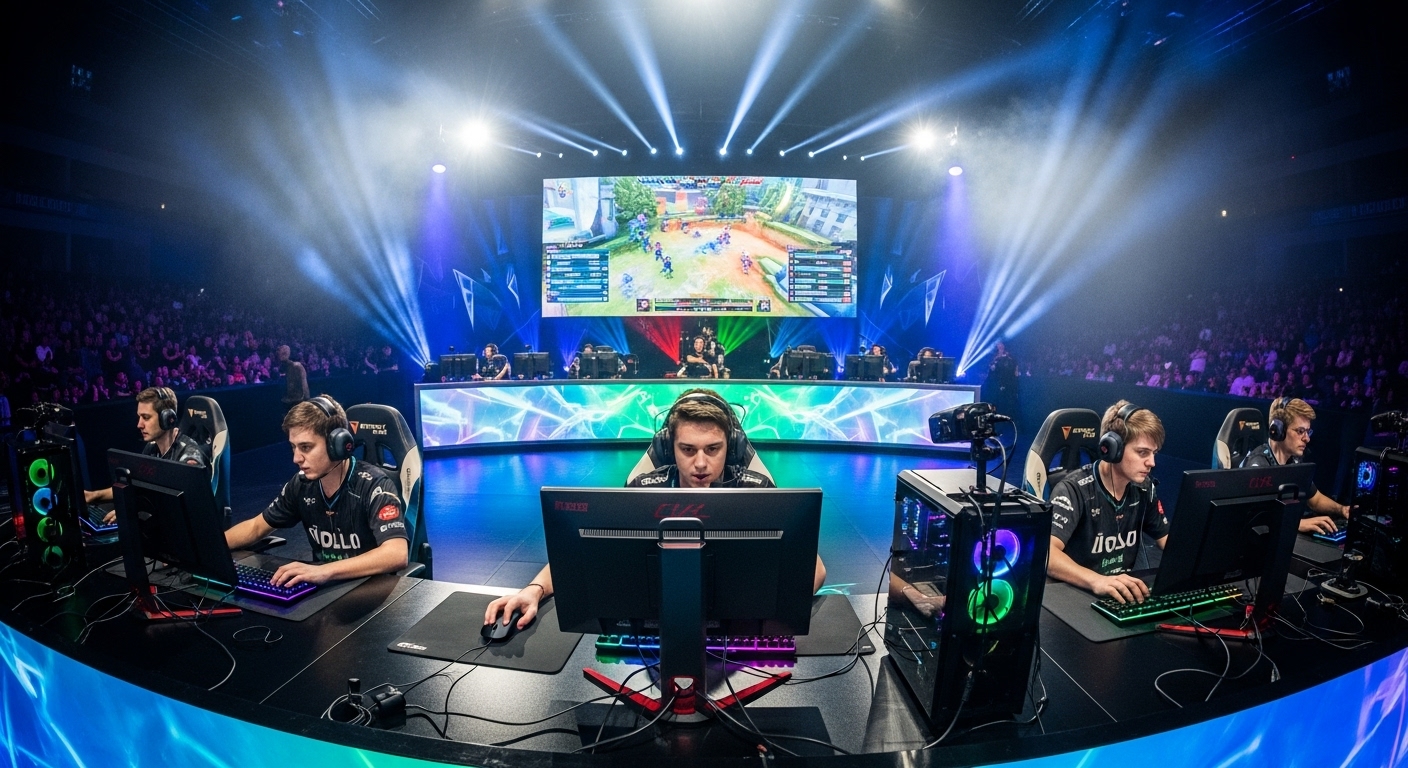
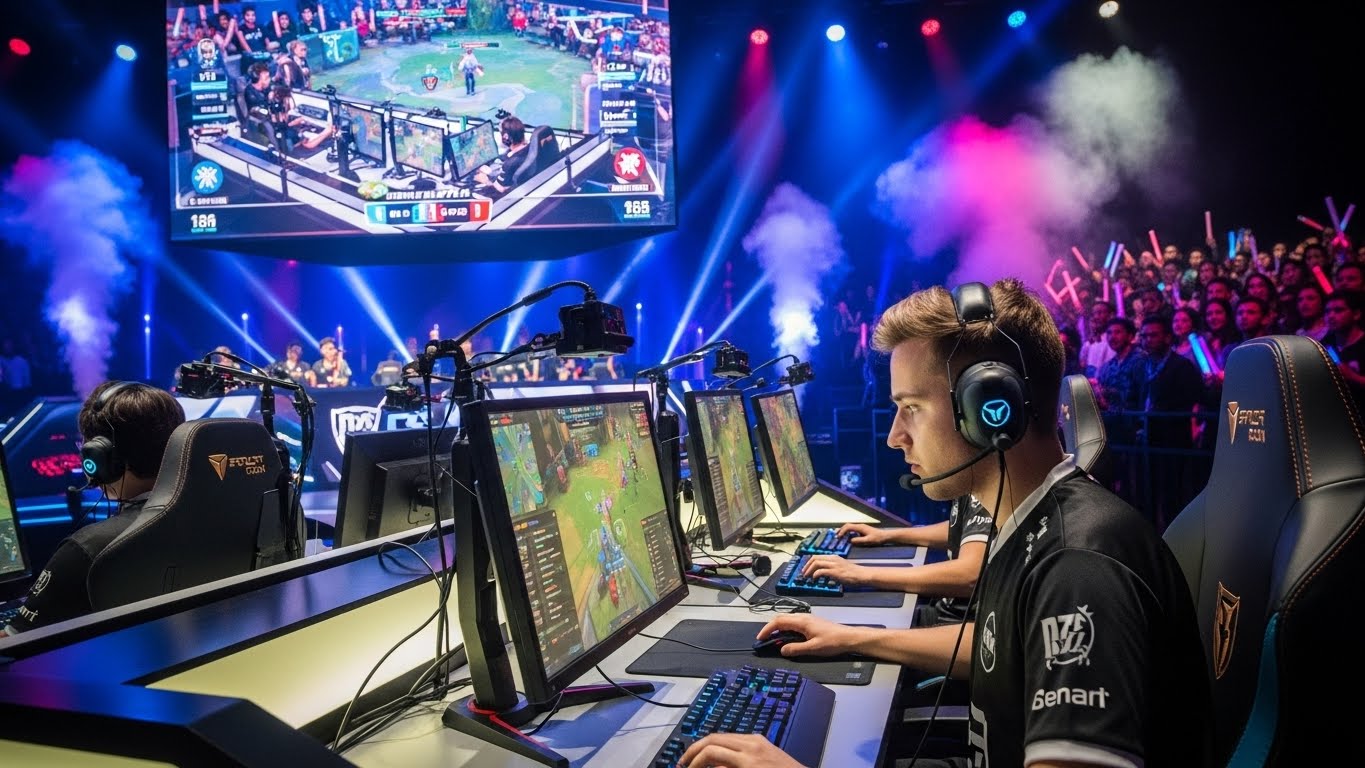
Perhaps the biggest sign of esports’ growth is the rise of dedicated arenas and large-scale tournaments. Today, it is common to see thousands of fans filling stadium seats to watch their favorite teams compete in real time. These events feature elaborate stages, dramatic lighting, and production quality that matches major sports broadcasts.
International tournaments draw competitors from around the world, making esports a multicultural and deeply connected global activity. Teams arrive with national pride, fans cheer from every corner of the globe, and championship titles become symbols of international prestige. Esports has proven that digital competition can hold the same emotional weight as traditional athletics.
The Player Lifestyle and Professional Training
Professional esports players follow demanding routines. Contrary to the stereotype of casual gaming, the life of an esports athlete is structured and intense. Players spend hours each day practicing, refining strategies, reviewing match footage, and maintaining physical and mental health.
Many organizations now employ nutritionists, fitness coaches, and psychologists to support their players. Reaction time, decision making, communication, and stress control are essential components of success. Players learn to work in high pressure environments where a single mistake can determine the outcome of a match.
This level of discipline shows how esports has matured. It is no longer simply about playing games well; it is about mastering a craft with dedication and professionalism.
The Economic Impact of Esports
The esports industry has grown into a multi-billion-dollar ecosystem that spans sponsorships, merchandise, event tickets, and media rights. Companies from technology to food brands now invest heavily in esports, recognizing its influence over younger audiences.
Prize pools for major tournaments have soared, with some championships offering millions to winning teams. Streaming personalities earn income through sponsorships and fan support. Game publishers build entire business models around competitive play, creating more opportunities for players, coaches, event organizers, and content creators.
This economic growth proves the staying power of the industry. Esports is no longer just entertainment; it is a legitimate sector with substantial financial influence.
The Cultural Impact and Changing Perception
One of the most significant shifts in recent years is how society views gaming and esports. What was once dismissed as a hobby lacking practical value is now seen as a discipline that demands skill, teamwork, and strategy. Schools and universities have started offering esports scholarships, while academic institutions research gaming psychology and performance.
Younger generations see esports athletes as role models, much like traditional sports icons. These players inspire creativity, commitment, and strategic thinking. For many, gaming is a space of belonging, where friendships form and communities thrive. Esports has become a part of modern culture, shaping conversations about technology, entertainment, and digital identity.
The Importance of Diversity and Inclusion in Esports
As the industry grows, so does the conversation about inclusivity. Esports has the power to bring together people from different backgrounds, genders, and cultures. While progress is ongoing, many groups and organizations are working to ensure equal opportunities for all gamers. Women’s tournaments, mixed-gender teams, and educational programs are helping create a more welcoming environment for aspiring players.
This push for diversity strengthens the community, encouraging creativity and fostering new talent. A more inclusive esports scene ensures that the industry continues to grow responsibly and sustainably.
Technological Innovations Shaping the Future
Esports lives at the intersection of technology and entertainment, making it uniquely positioned for innovation. Advances in virtual reality may create immersive competitive experiences, while artificial intelligence could enhance coaching and player analysis. Faster internet speeds and powerful hardware will allow even more people to participate at high levels.
Game developers continue to experiment with new competitive formats, cross-platform play, and interactive viewer features. The integration of automation, 3D analysis, and advanced statistics will further elevate esports into a highly refined and technical sport.
The Future of Esports as a Mainstream Force
The future of esports looks promising. As traditional sports embrace digital collaboration and younger audiences shift toward interactive entertainment, esports stands ready to lead the next era of competition. The line between physical and digital sports will continue to blur, and esports may eventually sit beside traditional athletics in global sporting events.
The continued rise of competitive gaming shows that esports is not a trend but a movement. Its influence spans education, technology, media, and global culture. Esports is not simply entertainment; it is a new form of connection that brings people together in ways few other industries can.
Conclusion: A World United by Play
Esports has come a long way from its humble beginnings. What started as friendly contests has grown into a worldwide celebration of skill, teamwork, and innovation. Across arenas, living rooms, and online platforms, millions of people join together to cheer, compete, and connect. Esports represents the power of digital culture, proving that competition can thrive in any form when passion drives it forward.
As the industry continues to evolve, one thing is clear: the world of esports is just getting started. The future holds new games, new heroes, and new stories waiting to be told. And as long as players and fans continue to believe in the magic of competition, esports will remain one of the most exciting and inspiring movements of our time.