Introduction: The Rise of Competitive Gaming
Esports, short for electronic sports, has transformed from a niche hobby into a global entertainment phenomenon in recent years. What started as small local tournaments and casual online matches has now evolved into a billion-dollar industry with professional leagues, international tournaments, and a dedicated fanbase that rivals traditional sports. The esports ecosystem now includes players, teams, coaches, analysts, broadcasters, and content creators—each contributing to the rapid growth and mainstream appeal of the industry. This blog post takes a comprehensive look at the evolution of esports, its impact on gaming culture, and what the future holds for this exciting, fast-growing sector.
The Origins of Esports: From LAN Parties to Professional Leagues
To understand where esports is headed, it’s important to first look at where it began. In the early days of gaming, competitive play was primarily localized—often taking place in small, informal gatherings known as LAN (Local Area Network) parties. These gatherings allowed friends to compete against each other in multiplayer games like Quake, StarCraft, and Warcraft III. It wasn’t much of a spectacle, but it was the beginning of a competitive gaming culture that would later explode into the global scene.
As the internet became more accessible in the late 1990s and early 2000s, online gaming started to take off. Games like Counter-Strike, Dota, and League of Legends brought players together from all over the world. This digital connectivity paved the way for the formation of more organized tournaments and events, many of which were live-streamed or broadcasted through platforms like Twitch and YouTube.
In the early 2000s, esports leagues and tournaments started gaining traction. Games like Warcraft III and StarCraft were pivotal in bringing competitive gaming to the mainstream. These games offered a platform for players to show off their skills, and the growth of esports tournaments began to mirror the competitive nature of traditional sports leagues, albeit on a much smaller scale. Organizations like ESL (Electronic Sports League) and MLG (Major League Gaming) started hosting large-scale events, which quickly caught the attention of gaming enthusiasts and industry leaders alike.
The Esports Boom: The 2010s and Beyond
By the early 2010s, esports was no longer just a niche interest but had grown into a full-fledged entertainment industry. Games like League of Legends, Dota 2, and Counter-Strike: Global Offensive were at the forefront of this revolution. The gaming community’s investment in competitive play reached new heights with major sponsorships, broadcast rights, and massive prize pools. In fact, one of the most significant moments in the history of esports was the rise of Dota 2’s The International tournament, where prize pools regularly reached tens of millions of dollars, dwarfing even some of the largest sporting events.
What helped propel esports forward in the 2010s was the rise of live-streaming platforms like Twitch. These platforms made it possible for players, commentators, and fans to connect in real-time. Popular streamers became celebrities in their own right, and the viewership numbers for major esports events grew exponentially. League of Legends’ World Championship, for instance, attracted more viewers than the Super Bowl in 2019, signaling a paradigm shift in the entertainment landscape.
Esports also benefitted from the growing acceptance of gaming as a legitimate form of entertainment, not just for children, but for adults and even professional athletes. This cultural shift was fueled by the mainstream media’s increasing coverage of gaming, as well as the growing interest of big-name brands like Coca-Cola, Intel, and Mercedes-Benz who began to invest in esports.
The Esports Ecosystem: Key Stakeholders and Their Roles
Esports is not a monolithic entity—it consists of a diverse ecosystem with various stakeholders, each playing a crucial role in its success.
Players and Teams
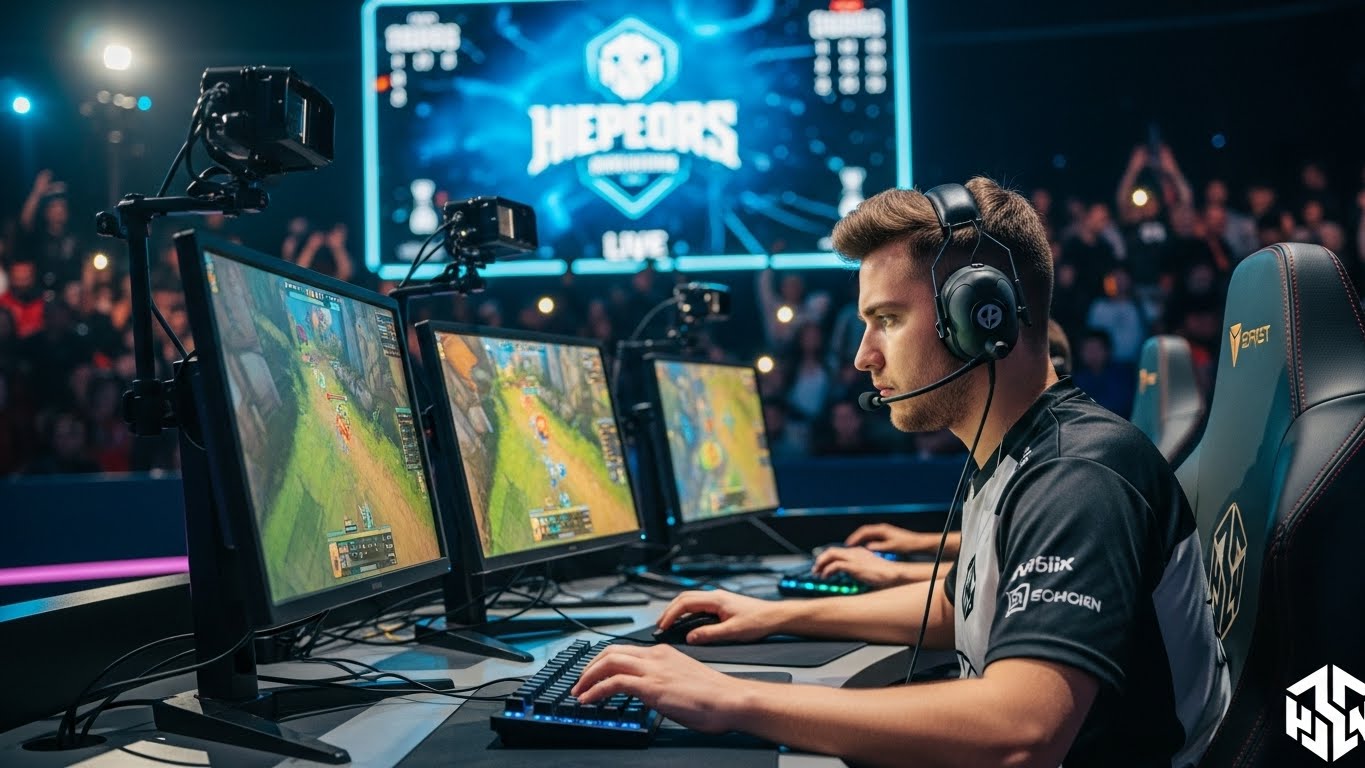
At the heart of the esports world are the players and teams. Players are the stars of the show, with top-tier athletes often receiving sponsorships, brand deals, and substantial prize earnings. These players train intensively, often practicing for eight or more hours a day, much like professional athletes in traditional sports. Teams, too, have become more structured, with dedicated coaches, analysts, and support staff who help players improve their skills, develop strategies, and stay in peak condition.
Organizers and Tournament Providers
The backbone of the esports scene is the tournaments themselves. Companies like Riot Games (the creators of League of Legends), Blizzard Entertainment (the creators of Overwatch and StarCraft), and Valve (the creators of Dota 2) are not just game developers; they are also tournament organizers. They design competitive formats, host events, and invest in the esports ecosystem. Additionally, third-party organizations such as ESL, DreamHack, and MLG also play a crucial role in organizing tournaments and establishing league formats.
Sponsors and Brands
Esports has seen significant sponsorship growth, with companies from various sectors such as technology, energy drinks, apparel, and even automotive brands getting involved. These sponsorships are crucial for the financial stability of both teams and tournaments. High-profile sponsors provide financial backing, which in turn supports the development of the ecosystem by funding events, prize pools, and player salaries. Esports sponsorships mirror those of traditional sports, and brands like Intel, Red Bull, and Nike are heavily invested in this burgeoning sector.
Viewers and Fans
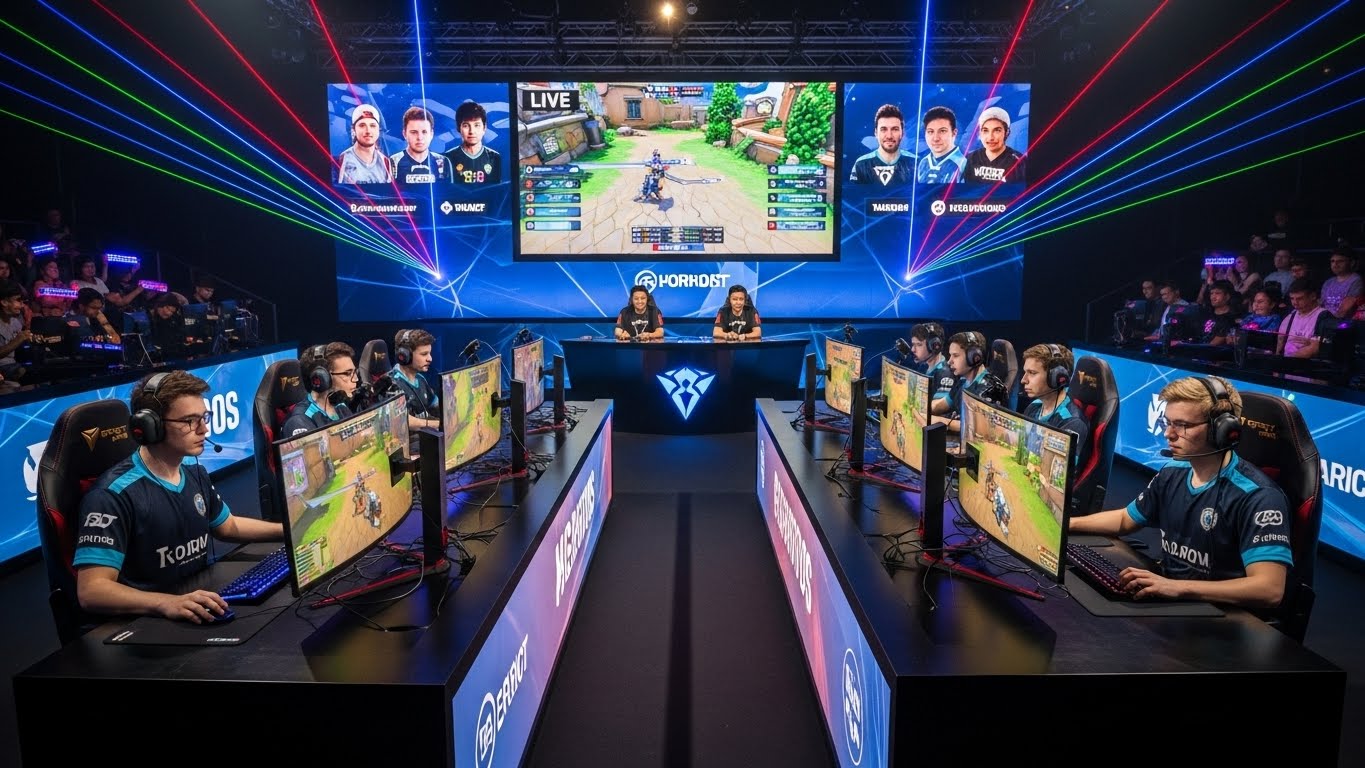
The most important part of any sport is its fanbase, and esports is no different. Millions of fans watch their favorite teams and players compete in tournaments, either live at arenas or remotely via streaming platforms like Twitch and YouTube. The level of engagement is immense—fans don’t just watch tournaments, they interact with players on social media, purchase merchandise, and follow every move their favorite teams make. Some fans even contribute directly to the esports ecosystem through fan donations or by supporting their favorite streamers through platforms like Patreon.
The Impact of Esports on Society and Culture
Esports is not only changing the way we view gaming; it is also having a significant impact on broader society and culture. Esports has evolved from a hobby into a legitimate career path, with many young players seeing gaming as a viable option for their future. This shift has led to the establishment of esports colleges, scholarships, and even professional coaching programs. Esports has proven that there is more to gaming than just entertainment—it can be a path to fame, fortune, and a lifelong career.
Additionally, esports has contributed to the growth of digital culture. Through live streaming and social media, players and fans are able to connect in real time, creating communities that extend beyond geographic borders. This has led to the formation of a global esports culture that transcends nationalities, languages, and time zones. It’s not uncommon for players from Korea, China, North America, and Europe to compete against each other in international tournaments, making esports a truly global phenomenon.
Esports also plays an important role in the fight for diversity and inclusion in gaming. Historically, gaming has been a male-dominated space, but in recent years, women have made significant strides in breaking into professional gaming. Female players, commentators, and streamers are gaining more visibility and recognition, contributing to a more inclusive gaming culture. Esports has also seen increased focus on mental health, with players and organizations recognizing the importance of mental well-being in achieving success in competitive gaming.
The Future of Esports: What’s Next?
As esports continues to grow, the future looks bright, but there are several challenges and opportunities on the horizon.
Technological Advancements
One area of growth for esports lies in technological innovation. Virtual reality (VR) and augmented reality (AR) technologies could bring about new ways of experiencing esports, both for players and fans. Innovations in streaming technology will continue to enhance the viewing experience, making it more immersive and interactive.
Mainstream Acceptance
Esports is still in the process of gaining acceptance in some regions and from some demographic groups. While the younger generation has wholeheartedly embraced competitive gaming, older generations are still coming to terms with its legitimacy. As esports continues to attract sponsorships, media coverage, and mainstream partnerships, it’s likely that it will gain greater recognition as a legitimate sport in the coming years.
Olympic Inclusion
One of the most hotly debated topics in the esports community is whether esports will ever be included in the Olympic Games. While some view this as a natural progression, others believe that esports could lose some of its unique identity if it becomes part of the Olympics. Still, with the rapid growth and mainstream appeal of competitive gaming, it’s not beyond the realm of possibility.
Conclusion: The Future is Esports
Esports has come a long way from its humble beginnings, evolving from small LAN parties to a multi-billion-dollar industry. Its rapid growth, driven by technological advancements, the rise of streaming platforms, and the increasing acceptance of gaming as a legitimate career, ensures that esports will continue to shape the future of entertainment. As more players, fans, and brands become involved in the ecosystem, esports is poised to continue its rise as a dominant force in the entertainment world.
The future of esports is filled with endless possibilities. It has the potential to reshape how we view sports, entertainment, and even work. One thing is for sure: esports is not just a trend—it’s a global cultural movement, and it’s here to stay.