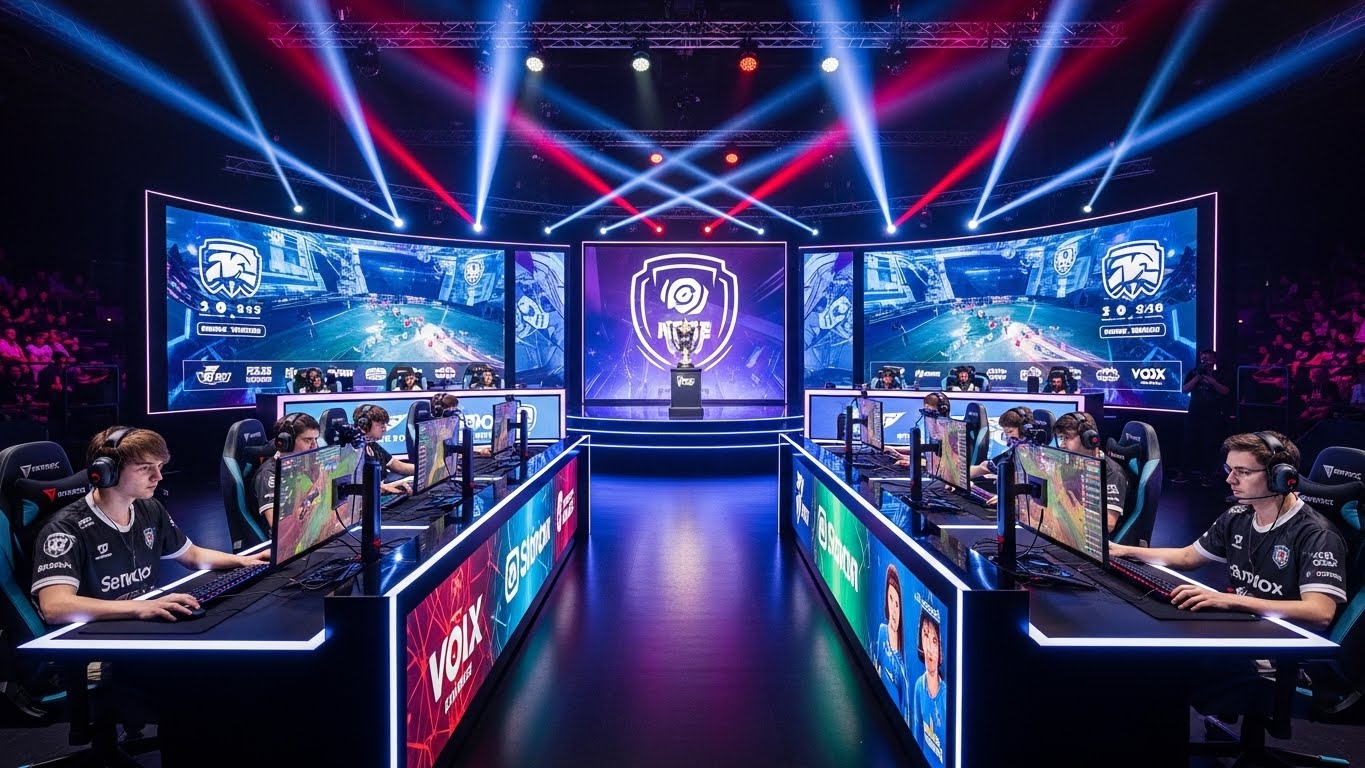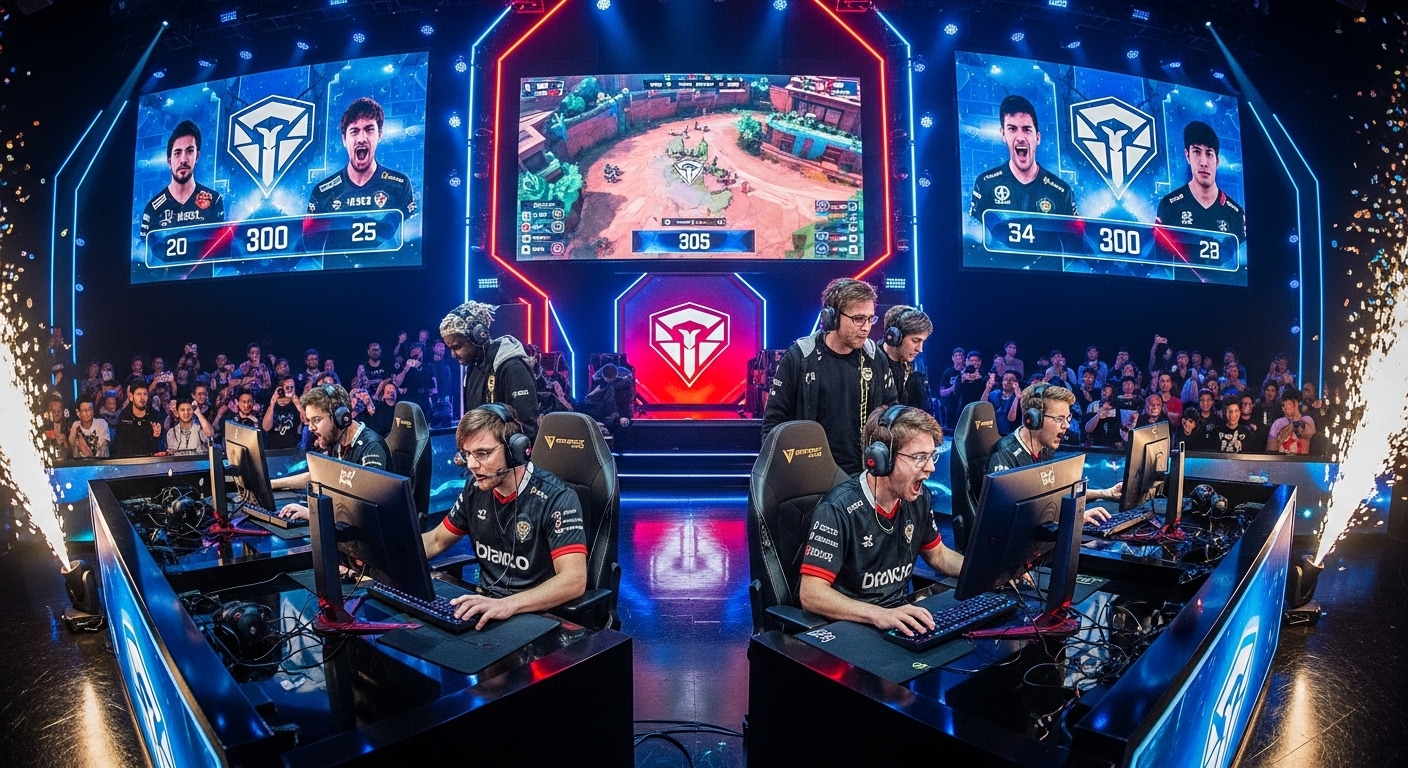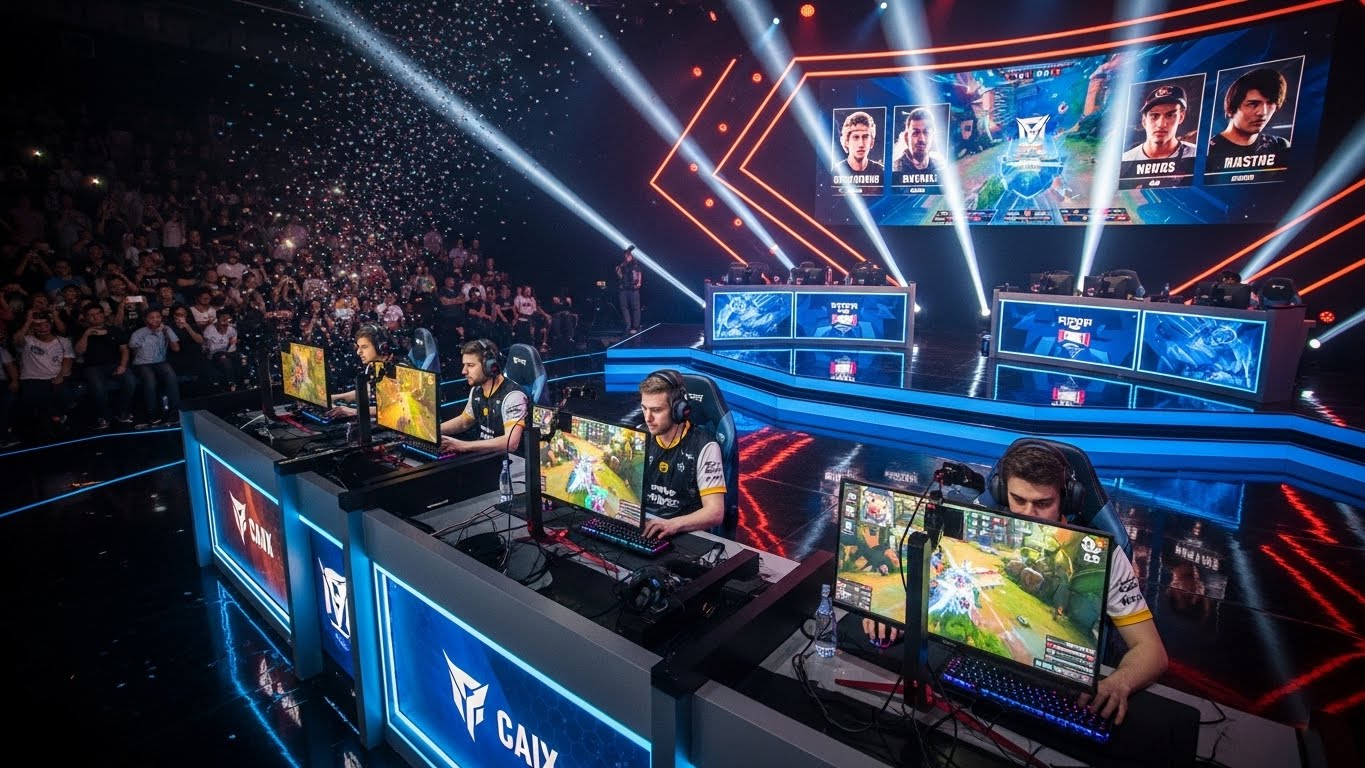
In recent years, esports has evolved from a niche pastime into a global entertainment phenomenon, attracting millions of viewers and participants alike. What was once a subculture of avid gamers has now become a multi-billion-dollar industry, with professional tournaments, sponsorship deals, and even college scholarships offering new avenues for aspiring players. Esports has transcended the world of gaming, becoming a recognized sport, complete with its own stars, leagues, and fanbase.
This blog post delves into the origins, growth, impact, and future of esports, exploring why it’s becoming a dominant force in entertainment and sports culture worldwide.
What Is Esports?
Esports, short for electronic sports, refers to organized, multiplayer video game competitions, particularly between professional players, teams, and organizations. Unlike casual gaming, esports involves a high level of skill, strategy, and training. It encompasses a variety of game genres, including first-person shooters (FPS), real-time strategy (RTS), multiplayer online battle arena (MOBA) games, and battle royale titles.
In competitive esports, players or teams compete against each other for prize money, fame, and recognition. Professional esports leagues, tournaments, and events are held globally, drawing thousands of live spectators and millions of online viewers. Major games like League of Legends, Dota 2, Counter-Strike: Global Offensive (CS:GO), Fortnite, and Overwatch have established esports scenes with significant fanbases.
The Origins of Esports: A Humble Beginning
The origins of esports date back to the 1970s and 1980s, when video games like Pong and Space Invaders became popular in arcades. Early competitive gaming events were small-scale tournaments organized by local gaming communities. However, it wasn’t until the early 2000s that esports began to take shape as a more organized, professional activity.
One of the first major milestones in esports was the creation of the World Cyber Games (WCG) in 2000, an international competition that featured games like StarCraft and Counter-Strike. The Electronic Sports World Cup (ESWC), founded in 2003, further helped to establish competitive gaming on the global stage. As the internet evolved, online tournaments and streaming platforms began to make it easier for players to compete and for fans to watch from anywhere in the world.
The Growth of Esports: From Niche to Mainstream
Over the past two decades, esports has experienced an explosive growth, both in terms of participation and viewership. Several factors have contributed to this rapid rise.
1. The Internet and Streaming Platforms
The internet played a pivotal role in the rise of esports, providing players with the means to compete online, and fans with easy access to live streams of tournaments. Platforms like Twitch, YouTube Gaming, and Facebook Gaming have enabled millions of viewers to watch competitive gaming events in real time, creating a global esports community.
Twitch, in particular, has played a crucial role in the development of esports. The platform was launched in 2011 and quickly became the go-to destination for gamers and esports enthusiasts. With features like live streaming, chat interactions, and subscription-based content, Twitch has cultivated a dedicated fanbase that has contributed significantly to the growth of esports as both a competitive pursuit and a form of entertainment.
2. Sponsorships and Prize Pools
As esports began to gain popularity, corporate sponsorships and partnerships became a key driver of growth. Major companies in the tech, entertainment, and consumer goods sectors—such as Intel, Red Bull, Coca-Cola, and Nike—began to recognize the value of esports as an advertising platform. Sponsorships not only provided financial support to tournaments and teams but also helped legitimize esports as a mainstream form of entertainment.
Prize pools for major tournaments have grown exponentially. For example, the International, the annual Dota 2 championship, boasted a prize pool of over $40 million in 2021. Such enormous amounts of prize money have attracted top-tier talent and increased the professionalization of the esports scene, making it possible for players to earn a living purely from competition.
3. The Rise of Professional Teams and Leagues
As esports became more mainstream, professional esports organizations and teams emerged, similar to traditional sports leagues. Teams like Cloud9, Fnatic, SK Telecom T1, and Team Liquid have become household names in the world of esports. These organizations recruit top-tier players, coach them, and manage their careers much like traditional sports teams.
Furthermore, the establishment of dedicated esports leagues and tournaments has further solidified the professional nature of competitive gaming. The League of Legends Championship Series (LCS), Overwatch League (OWL), and Call of Duty League (CDL) represent the same type of structured, season-long competition seen in traditional sports like the NFL or NBA. These leagues attract millions of viewers, and the rise of sponsorships has allowed esports organizations to secure long-term funding, allowing them to invest in better infrastructure, player development, and content creation.
4. Mainstream Media Attention
Esports is no longer confined to niche online platforms or small-scale local events. Major broadcasters like ESPN, TBS, and ABC have broadcasted live esports tournaments, bringing competitive gaming into the living rooms of millions of viewers. These broadcasts often feature high production values, professional commentary, and analysis, making esports events just as engaging and entertaining as traditional sports broadcasts.
Even mainstream sports networks, such as ESPN, have recognized esports as a legitimate sport, with coverage of events like The International or the League of Legends World Championship becoming increasingly common. This mainstream media coverage has played a significant role in bringing esports into the cultural mainstream and solidifying its status as a legitimate, competitive activity.
The Esports Ecosystem: Players, Teams, Fans, and Content Creators
One of the unique aspects of esports is the ecosystem surrounding it. This ecosystem is made up of several interconnected components that include players, teams, fans, content creators, sponsors, and event organizers.
1. Players: The Heart of Esports
At the core of esports are the players. These individuals dedicate hours upon hours to practicing, refining their skills, and competing at the highest level. Esports athletes often train just as rigorously as athletes in traditional sports, with many teams having coaches, analysts, and support staff to help players improve their performance.
Esports players typically compete in a single game or a few related titles, becoming specialists in those genres. This specialization and the intense training required to remain competitive is a testament to the level of skill involved in esports.
2. Esports Teams: The Organized Forces of Competition
Professional esports teams are organizations that support players and field them in various tournaments. These teams are usually made up of players who specialize in a specific game, such as League of Legends, Dota 2, or Valorant. Esports teams have become brands in their own right, with fanbases that rival those of traditional sports teams.
Esports organizations manage everything from player contracts to sponsorships and promotions. These organizations are often responsible for organizing boot camps, team strategies, and preparing players for tournaments. The management side of esports is incredibly important, as it helps players focus on their gameplay while taking care of logistical and business concerns.
3. Fans: The Passionate Community
Esports has fostered a passionate, dedicated community of fans who follow their favorite players and teams closely. These fans engage in online forums, social media platforms, and live streaming events to show their support. Esports fans often have an immense amount of loyalty to their favorite teams or games, creating a sense of camaraderie and belonging.
The fan engagement aspect is what differentiates esports from other forms of entertainment. Fans can interact with players in real time through live streams, participate in fan events, and even vote on game-related decisions in some tournaments.
4. Content Creators and Influencers
The rise of esports has also given birth to a new wave of content creators and influencers. Streamers and YouTubers who specialize in gaming have become celebrities in their own right. Platforms like Twitch and YouTube Gaming allow content creators to build massive followings, earning income through ads, sponsorships, donations, and merchandise sales.
Many esports athletes also stream their training sessions and games, allowing fans to gain insights into their practice routines and strategies. The ability to interact with these athletes directly has brought fans closer to the action and allowed them to feel more involved in the esports community.
The Future of Esports: What’s Next?
Esports shows no signs of slowing down. In fact, its growth trajectory suggests that the industry is just getting started. Several key trends and innovations point to an exciting future for competitive gaming.
1. Increased Integration with Traditional Sports
In the coming years, esports could become even more integrated with traditional sports. Some professional sports teams have already started to invest in esports, either by forming their own teams or sponsoring existing ones. This crossover could lead to more collaborative events, joint sponsorship deals, and a broader audience for both traditional and esports organizations.
2. The Rise of College Esports
The growth of esports has also infiltrated the educational system. College esports leagues and programs are on the rise, with many universities offering scholarships to talented players. This creates an entire pipeline for aspiring esports athletes to hone their skills, gain exposure, and pursue careers in the industry.
As esports becomes more recognized in the educational sector, we may see even more schools and universities invest in competitive gaming programs.