Esports, or electronic sports, have emerged as a dominant force in the world of entertainment over the past decade. Once considered a niche hobby for tech enthusiasts and gamers, esports has transformed into a billion-dollar global industry, attracting millions of fans, professional players, and sponsors from around the world. In this blog post, we will explore the origins, growth, and future of esports, examining the factors behind its explosive popularity, the impact it has on traditional sports, and what the future holds for competitive gaming.
The Origins of Esports
Esports traces its roots back to the early days of competitive video gaming. While video games have existed since the 1970s, the idea of organized competition began to take shape in the 1980s. The first known esports tournament was the 1980 “Space Invaders Championship,” held by Atari, where players competed to rack up the highest scores in the arcade game Space Invaders. This event marked the beginning of the esports movement, but it wasn’t until the 1990s that competitive gaming started to evolve into a global phenomenon.
The real turning point for esports came in the late 1990s and early 2000s with the rise of online multiplayer games. Titles like StarCraft, Quake, Warcraft, and Counter-Strike brought together players from around the world, allowing for large-scale competitions. As internet speeds improved, LAN (Local Area Network) events began to gain traction, where teams from different parts of the world would gather to compete in real-time. These early tournaments were typically small, community-driven events, but they laid the foundation for what esports would become today.
The year 1997 marked a pivotal moment for esports with the creation of the Cyberathlete Professional League (CPL), the first professional esports league. Over the next decade, various tournaments and leagues emerged, and the esports scene started to expand beyond its early roots in North America and Europe.
The Growth of Esports
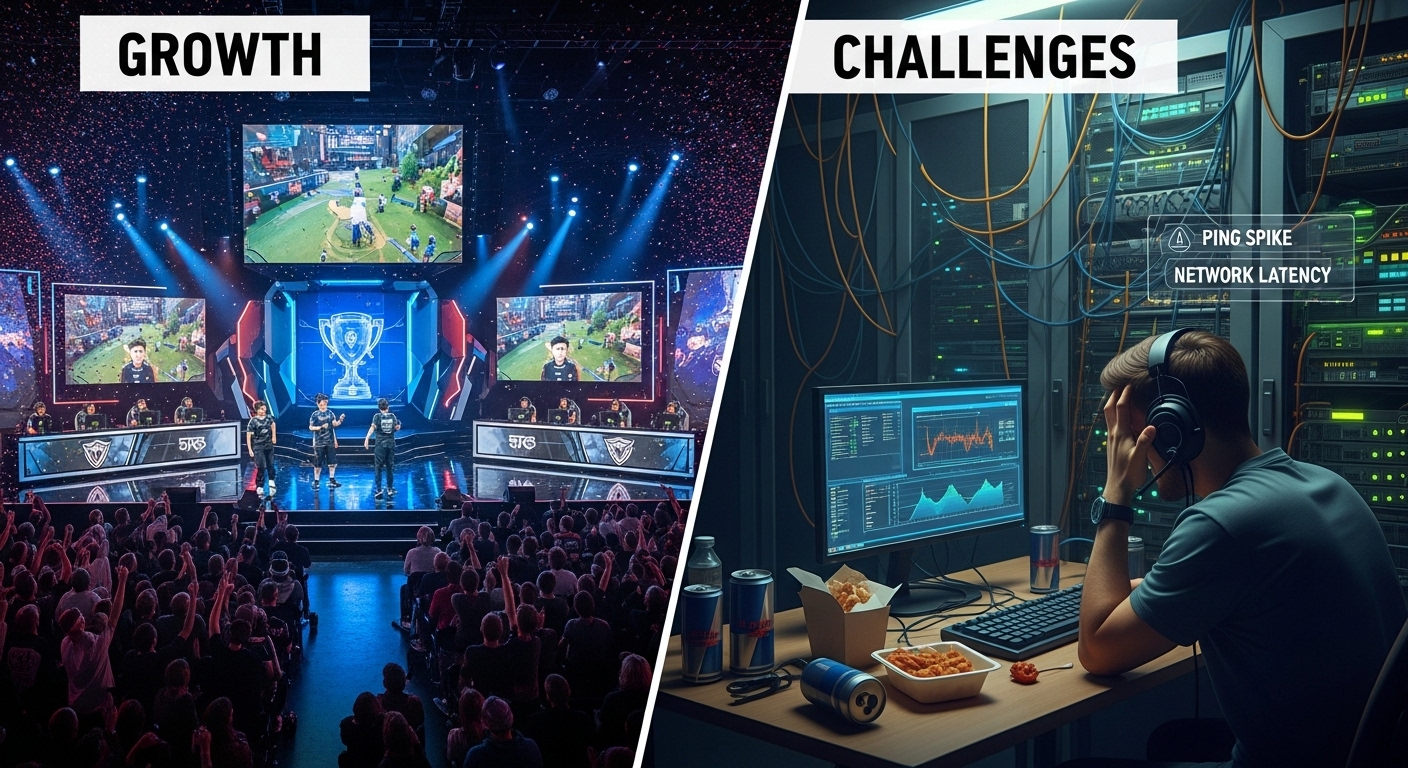
The true explosion of esports came with the widespread adoption of broadband internet, the rise of live streaming platforms like Twitch, and the creation of major tournament organizers. Streaming platforms gave gamers the ability to broadcast their gameplay to a global audience, making esports not just a spectator sport, but also a highly interactive experience.
In 2011, the launch of Twitch.tv (now simply Twitch) revolutionized how gamers could share their experiences with the world. As viewers tuned into the streams of their favorite players and teams, the potential of esports as a spectator sport became apparent. What began as a niche interest grew into a worldwide movement, with millions of viewers regularly tuning in to watch major tournaments like League of Legends World Championship, The International (Dota 2), and Overwatch League.
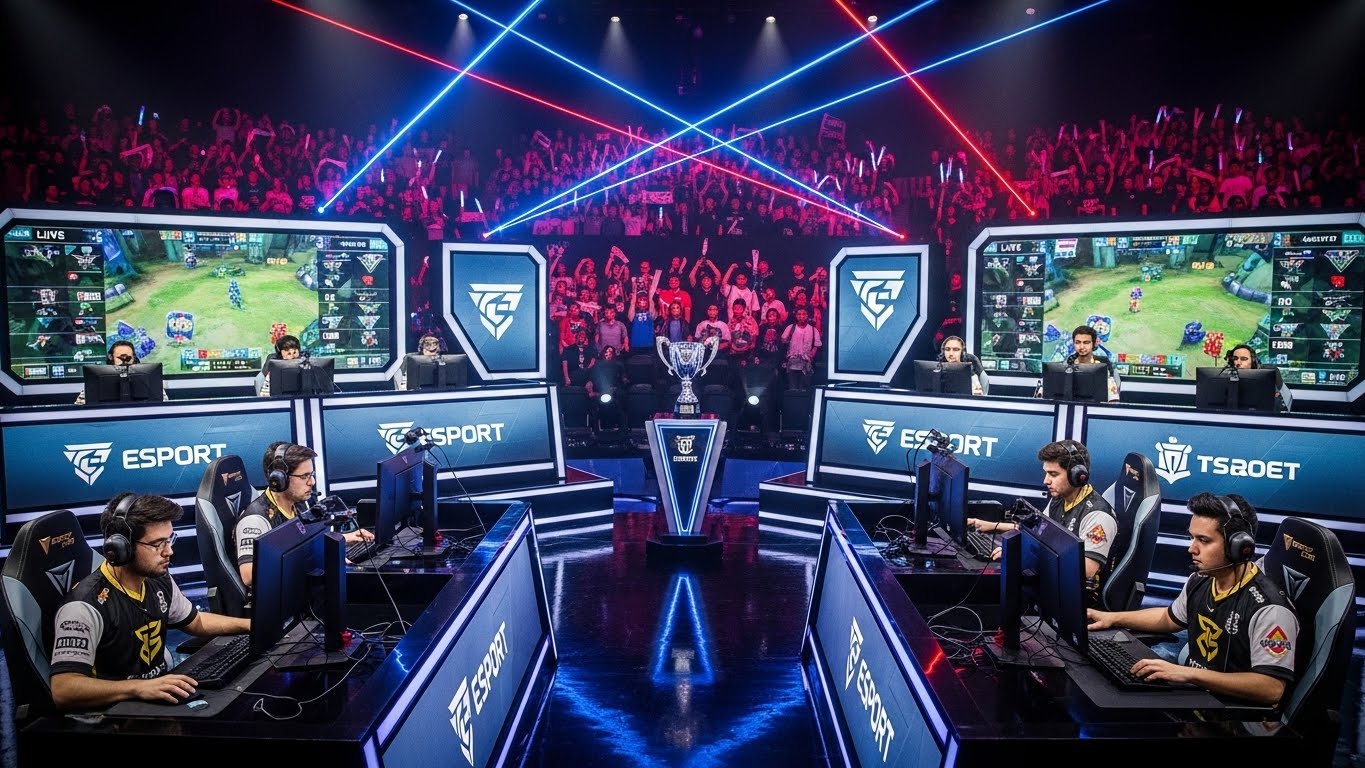
By 2015, esports had crossed the threshold into mainstream recognition. The League of Legends World Championship held in Berlin attracted over 36 million viewers, and the prize pool for The International in 2014 reached a staggering $10 million, setting a new standard for esports tournaments. Major sports networks, including ESPN and TNT, began airing esports content, signaling that competitive gaming was no longer a fringe activity.
In addition to streaming platforms and media coverage, another key driver of esports’ growth has been the involvement of corporate sponsors. Major brands such as Coca-Cola, Intel, and Red Bull began investing heavily in esports events, teams, and sponsorships. This corporate backing helped legitimize esports as a serious business and provided the financial support needed for players to pursue esports as a full-time career.
Esports as a Professional Career
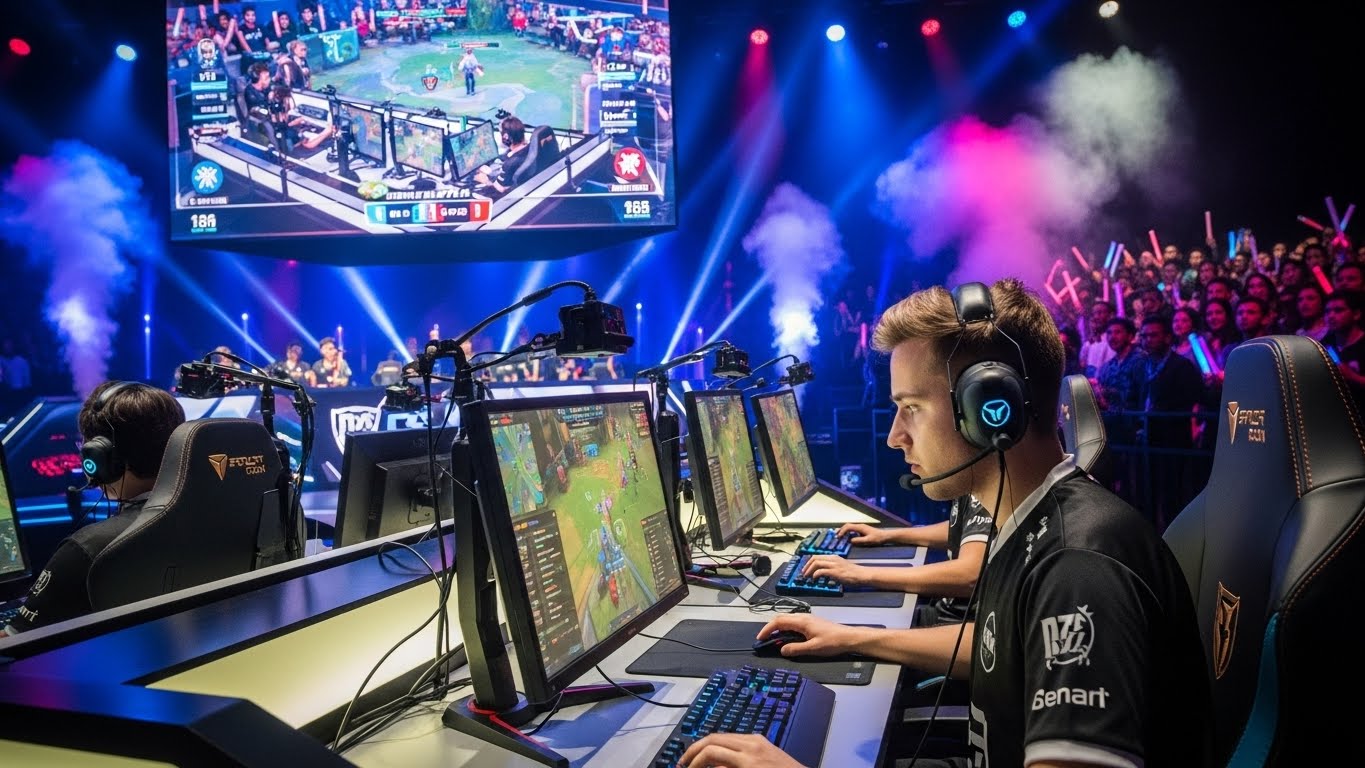
The growth of esports has led to the emergence of professional players, coaches, analysts, and streamers, many of whom now earn substantial salaries. For many gamers, what was once a hobby is now a legitimate career path. Esports teams have become akin to traditional sports franchises, with players signing multi-million-dollar contracts, competing in league play, and participating in tournaments with life-changing prize pools.
Some of the most successful esports athletes, like Faker from League of Legends or Dendi from Dota 2, have become household names within the gaming community. Their success has helped elevate esports to new heights, showing that professional gaming can offer both fame and fortune. For example, Faker, one of the most iconic players in League of Legends, has made millions of dollars over the course of his career, not just from tournament winnings, but also from sponsorships, merchandise, and streaming.
Esports organizations and teams have also embraced the business side of competitive gaming, forming lucrative partnerships with tech companies, apparel brands, and even car manufacturers. Some esports organizations, like Cloud9, Team Liquid, and Fnatic, are valued at hundreds of millions of dollars, and they employ a range of staff members, from analysts to social media managers to team owners.
Esports has become a career with high rewards for those who can make it to the top. However, the journey to becoming a professional esports player is not without its challenges. The road to success requires not only skill and practice, but also a deep understanding of game mechanics, strategy, and the ability to work as part of a team. As esports becomes more competitive, the demand for professional-level gameplay, coaching, and support staff continues to increase.
The Cultural Impact of Esports
Beyond the financial and professional aspects, esports has had a profound cultural impact. It has reshaped how we view gaming and its relationship to traditional sports. The idea that video games are just for “kids” or “nerds” has been dismantled in recent years, as esports has gained recognition as a legitimate form of entertainment. Esports competitions are now viewed by millions of fans, many of whom may not consider themselves gamers but enjoy the drama and excitement of competitive play.
Moreover, esports has bridged cultural gaps, bringing together people from diverse backgrounds and countries to compete and watch together. Tournaments often feature international teams, with players from all over the world facing off in high-stakes matches. This global nature of esports has made it a truly international phenomenon, transcending borders and languages. It’s not uncommon for a League of Legends match to attract viewers from Asia, Europe, and North America simultaneously.
The growth of esports has also given rise to new fan communities, many of which are centered around popular streamers or specific games. These communities are often highly engaged, forming close-knit groups that support their favorite players and teams. Esports fan culture has its own language, memes, and traditions, much like traditional sports fans have their own team chants and rivalries.
One of the most unique aspects of esports is its connection to digital media. Esports players and teams often have a large following on social media platforms like Twitter, Instagram, and YouTube, where fans can interact with their favorite players and keep up with their progress. Esports streaming, vlogging, and content creation have become integral parts of the scene, and many players have built successful personal brands outside of competition.
The Future of Esports
As esports continues to grow in popularity and influence, what does the future hold? There are several key trends that are likely to shape the industry in the years to come.
1. Increased Investment from Traditional Sports and Media
One of the most significant trends in esports is the increasing involvement of traditional sports organizations and media companies. Many major sports franchises, such as the New England Patriots and Dallas Mavericks, have invested in esports teams or tournaments. This is expected to continue as esports becomes more integrated into mainstream sports culture. Likewise, traditional sports networks like ESPN and Fox Sports will likely continue to cover esports events, bringing them to even wider audiences.
2. Growth in Esports Infrastructure
The infrastructure surrounding esports is also set to grow. Esports arenas, like the Blizzard Arena in Los Angeles, have become hubs for live events and competitions. These arenas are designed specifically for esports, providing state-of-the-art facilities for both players and spectators. In the future, we may see more cities around the world developing dedicated esports stadiums to cater to the growing demand for live events.
3. Virtual and Augmented Reality
Virtual and augmented reality (VR and AR) are likely to play a big role in the future of esports. These technologies could revolutionize how players and fans interact with games. VR could create immersive experiences where players compete in fully virtual environments, while AR could offer new ways for fans to engage with live events, either at home or in the stadium.
4. Diversification of Esports Titles
While games like League of Legends, Dota 2, and Counter-Strike have been the cornerstones of esports for years, the future will likely see an increase in the variety of games played competitively. New titles, including mobile esports games, will attract fresh audiences and players, further expanding the ecosystem. Games like Fortnite and Apex Legends have already shown the potential for diverse competitive gaming experiences.
5. Esports in Schools and Universities
Esports is beginning to gain recognition as a legitimate sport in schools and universities. Many educational institutions now offer scholarships for esports players, and some schools are even incorporating esports into their physical education programs. This trend is likely to continue as the demand for esports professionals increases, creating opportunities for young people to pursue gaming as both a career and a way to develop teamwork and leadership skills.
Conclusion
Esports has come a long way since its humble beginnings, evolving into a global entertainment industry that rivals traditional sports in terms of viewership, sponsorship, and investment. From its origins in arcade competitions to its current position as a billion-dollar industry, esports has proven that video gaming is more than just a pastime – it’s a professional, competitive, and cultural phenomenon that has captured the hearts and minds of millions around the world.