Introduction
Sports are a universal language that transcends borders, cultures, and languages. From amateur athletes competing in local communities to professional players performing on global stages, sports play a vital role in human society. They provide entertainment, inspire personal growth, foster community, and even influence economies. Beyond physical activity, sports teach discipline, perseverance, teamwork, and leadership. This blog explores the evolution of sports, their cultural and social significance, technological advancements, and the future of athletic competition.
The Historical Origins of Sports
Sports have existed since the earliest human civilizations. Ancient societies used physical competitions to celebrate strength, endurance, and skill. The Olympic Games in Greece were one of the earliest recorded instances of organized sports, emphasizing physical excellence and unity among city-states. Medieval societies embraced jousting, archery, and wrestling, combining athleticism with entertainment.
As societies advanced, sports began to reflect social structures and cultural values. The Industrial Revolution introduced modern team sports like soccer, cricket, and rugby, which were structured around rules, leagues, and formal competitions. These games promoted community engagement, discipline, and fair play while laying the foundation for professional sports as we know them today.
The Evolution of Modern Sports
Modern sports have evolved to include a wide variety of physical activities, both recreational and professional. Team sports such as football, basketball, and hockey encourage collaboration, strategy, and skill, while individual sports like tennis, athletics, and swimming emphasize personal achievement and discipline. Extreme sports, adventure sports, and adaptive sports have expanded the definition of athletic competition, catering to diverse interests and abilities.
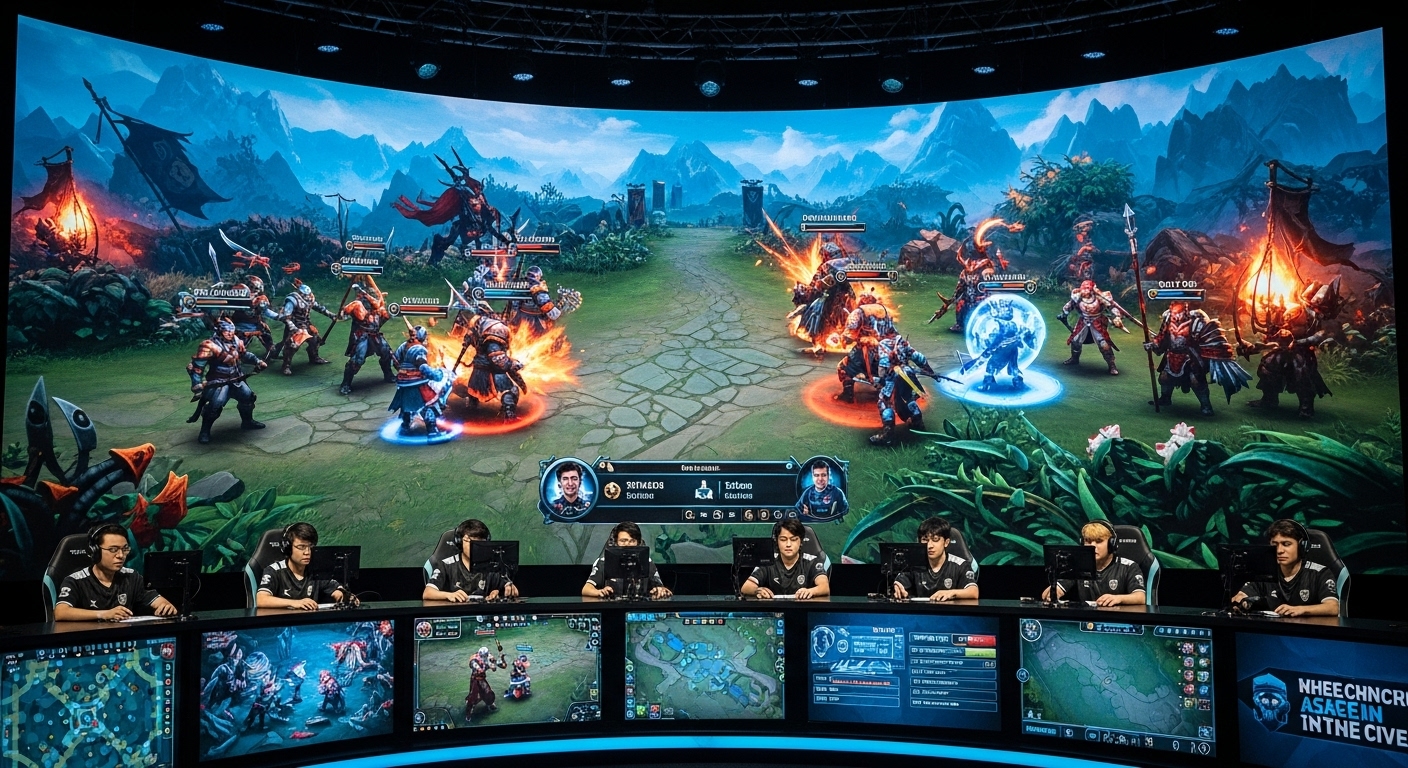
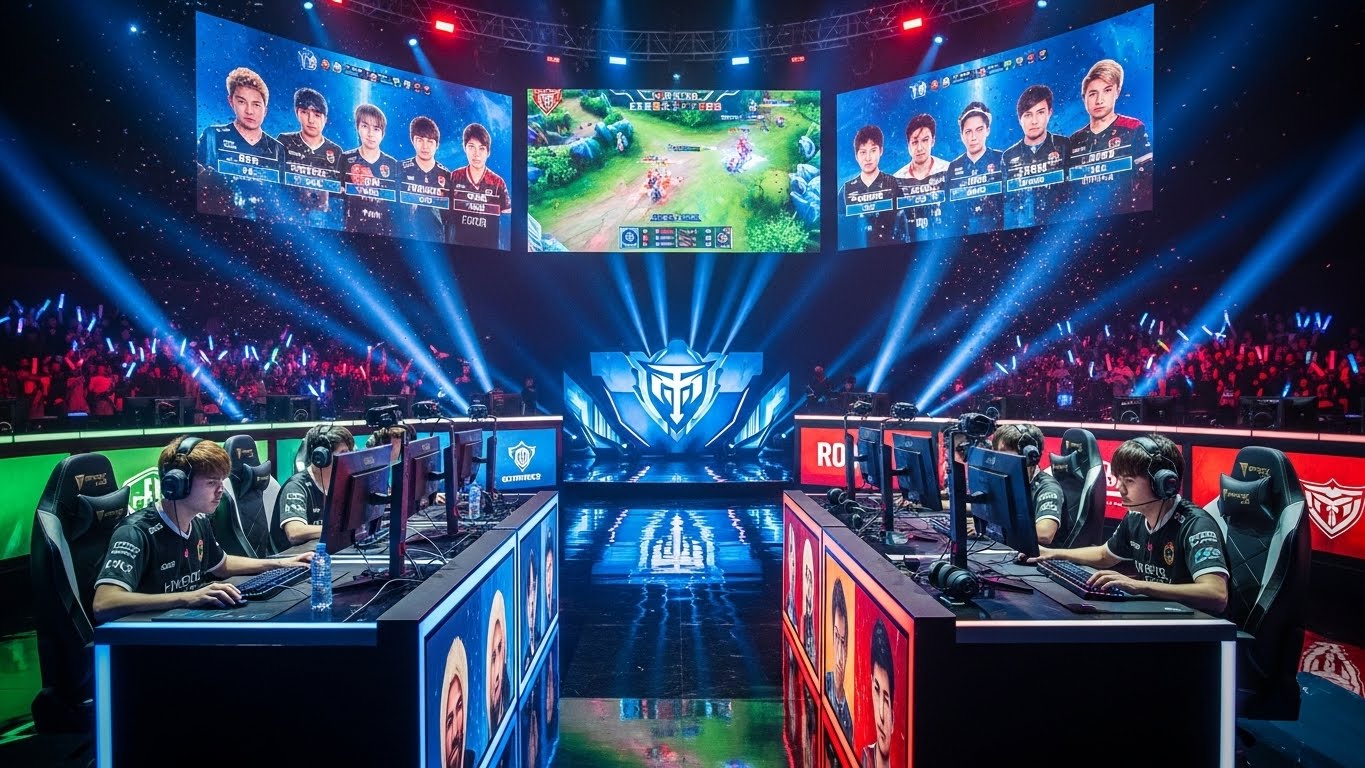
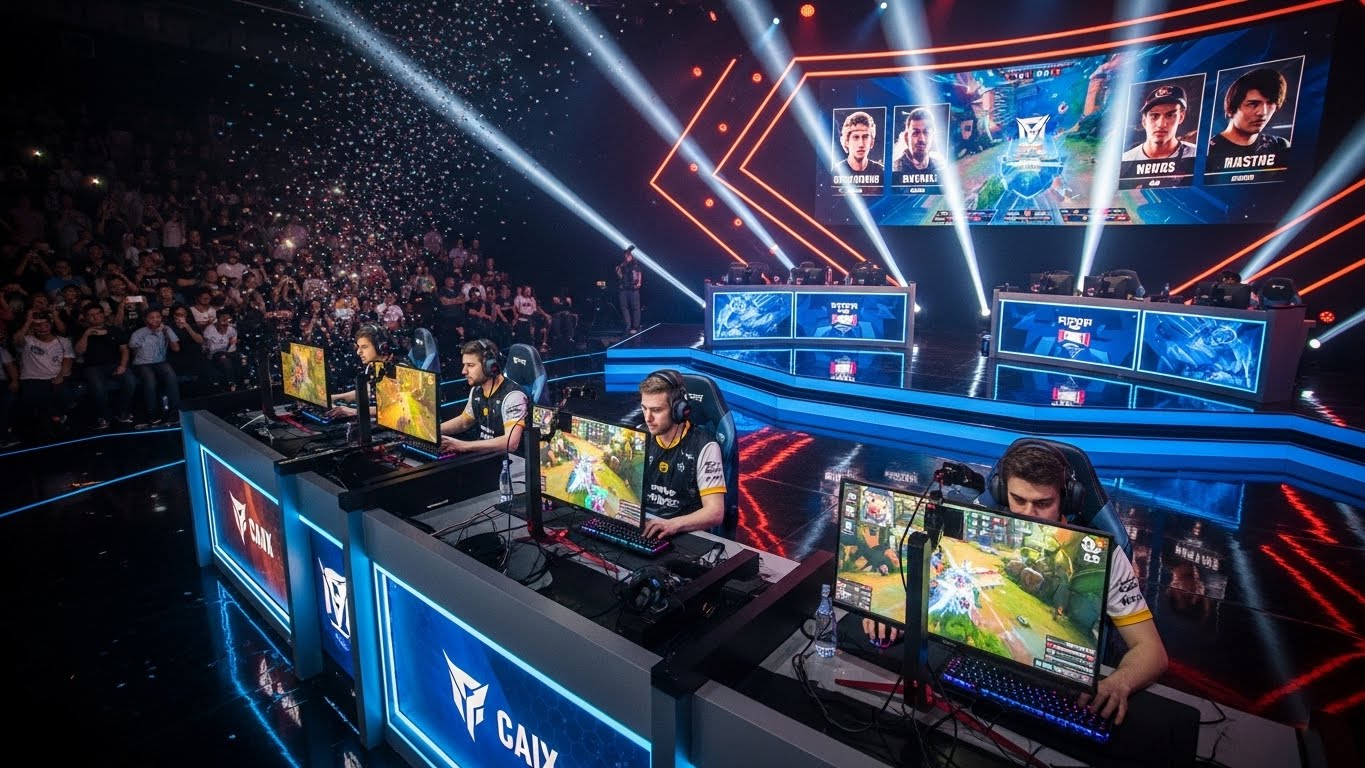
Professional leagues and tournaments have transformed sports into a global phenomenon. Athletes now have access to scientific training programs, advanced facilities, and nutrition plans, which allow them to perform at peak levels. Media coverage, live broadcasting, and social media have turned sports into a form of entertainment with global reach, connecting fans to teams, players, and events in real time.
The Cultural Significance of Sports
Sports have a profound impact on culture and society. They serve as a reflection of societal values, including teamwork, perseverance, and fair competition. Sporting events create traditions, foster community pride, and often become defining moments for nations. International competitions such as the Olympic Games, World Cup, and major championships promote unity, sportsmanship, and cultural exchange.
Athletes themselves often become cultural icons, inspiring people through their dedication, resilience, and achievements. Their stories influence public opinion, spark social movements, and encourage youth to pursue goals both on and off the field. In many ways, sports act as a mirror of society, reflecting cultural trends, social changes, and human aspirations.
The Emotional Impact of Sports
One of the most compelling aspects of sports is their emotional influence. Fans experience joy, excitement, tension, and disappointment as they follow competitions. Victories bring celebration, while losses evoke empathy and reflection. Supporting a team or athlete often creates lifelong bonds and shared experiences that transcend age and geography.
Athletes also experience a wide range of emotions. The pressure of competition, the exhilaration of winning, and the lessons learned from failure contribute to their personal growth. Sports teach resilience, patience, and emotional intelligence, qualities that extend beyond the playing field and into everyday life.
Sports and Personal Development
Participation in sports provides numerous personal benefits. Physical activity improves health, fitness, and overall well-being. More importantly, sports teach valuable life skills. Team sports cultivate leadership, communication, and cooperation, while individual sports foster self-discipline, goal-setting, and time management.
Athletes learn to overcome adversity, adapt to challenges, and maintain focus under pressure. These lessons develop mental strength and character, enabling individuals to navigate complex situations outside of sports. For young people, involvement in sports builds confidence, social skills, and a sense of responsibility that shapes their future endeavors.
The Social Impact of Sports
Sports have the ability to unite communities and bring people together. Local teams, school competitions, and community leagues provide social spaces where people interact, collaborate, and celebrate collective achievements. Sporting events create a sense of belonging and identity, fostering civic engagement and volunteerism.
On a global scale, sports contribute to diplomacy and international cooperation. Events such as the Olympic Games or international football tournaments encourage cultural exchange, mutual respect, and global dialogue. Sports also provide opportunities for marginalized communities to gain recognition and participate in mainstream society, promoting inclusivity and social equality.
Economic Contributions of Sports
The economic impact of sports is substantial. Professional leagues, tournaments, and events generate revenue through ticket sales, broadcasting rights, sponsorships, and merchandise. Sports-related industries, including equipment manufacturing, sportswear, and training facilities, contribute significantly to employment and economic growth.
Major events such as the World Cup and the Olympics stimulate local economies by attracting tourism, improving infrastructure, and increasing global visibility. Grassroots and youth programs also contribute economically by fostering talent, providing jobs, and supporting community development initiatives. Sports thus serve as both a cultural and economic engine, benefiting society on multiple levels.
Technological Advancements in Sports
Technology has revolutionized sports in numerous ways. Advanced equipment, performance monitoring systems, and analytical tools enhance training and competition. Wearable devices track heart rate, movement, and fatigue, allowing athletes and coaches to optimize performance. Video analysis and data-driven insights improve strategies and refine techniques.
Broadcasting innovations have transformed how audiences engage with sports. High-definition visuals, instant replays, and immersive streaming experiences allow fans to follow competitions closely. Virtual reality and augmented reality are beginning to create interactive and immersive fan experiences, providing new ways to experience sports from home or in stadiums.
Women in Sports
The rise of women in sports has been a transformative development. Female athletes are breaking records, gaining recognition, and advocating for equality in opportunities and pay. Women’s sports have gained global attention, inspiring millions and reshaping societal perceptions of gender in athletics.
Media coverage, professional leagues, and international competitions have helped showcase women’s sports as equally competitive and engaging as men’s events. Female athletes serve as role models, demonstrating dedication, resilience, and excellence while encouraging young girls to participate in sports.
Youth Sports and Talent Development
Youth sports are essential for nurturing future athletes and promoting healthy lifestyles. Schools, community organizations, and clubs provide children with opportunities to develop physical abilities, teamwork, and discipline. Early involvement in sports also teaches valuable life skills such as perseverance, goal-setting, and time management.
Youth programs play a critical role in identifying and nurturing talent. They provide structured coaching, mentoring, and competitive experiences that prepare young athletes for higher levels of competition. Beyond elite performance, youth sports cultivate social skills, confidence, and a lifelong appreciation for physical activity.
Challenges in the Sports Industry
Despite its many benefits, the sports industry faces challenges. Issues such as doping, match-fixing, and corruption threaten the integrity of competitions. Maintaining fair play, transparency, and ethical practices is crucial for sustaining trust among athletes and fans.
Athlete health is another significant concern. Overtraining, injuries, and mental health pressures can affect performance and long-term well-being. Sports organizations are increasingly implementing safety protocols, mental health support, and education programs to protect athletes. Financial disparities between leagues, teams, and regions also pose challenges, as equitable access to resources is vital for the growth of sports globally.
The Globalization of Sports
Sports have become a global phenomenon, with athletes, teams, and fans crossing borders like never before. International competitions, media coverage, and digital connectivity have expanded the reach of sports worldwide. Globalization fosters cultural exchange, promotes diversity, and strengthens international relationships.
Athletes often serve as ambassadors for their countries and cultures. International competitions showcase talent, resilience, and sportsmanship while inspiring global audiences. Fans from different nations share a common passion, demonstrating how sports unite people across boundaries.
The Future of Sports
The future of sports promises continued innovation and evolution. Emerging technologies will enhance performance, safety, and fan engagement. Wearables, virtual reality, and augmented reality will create new ways to experience athletic competition. Sustainability initiatives will influence stadium design, event management, and athlete practices.
Inclusivity will remain a priority, ensuring opportunities for athletes of all genders, backgrounds, and abilities. Youth development programs will continue to cultivate talent, while digital platforms expand global access and engagement. Sports will continue to evolve as a cultural, social, and economic force that inspires communities and individuals worldwide.
Conclusion
Sports are more than games; they are a reflection of human ambition, resilience, and unity. They shape character, inspire communities, and provide global entertainment while contributing to economies and cultural exchange. From ancient competitions to modern professional leagues, sports have continually evolved while retaining their core values of discipline, teamwork, and fair play.
The power of sports lies in their ability to bring people together, foster personal and societal growth, and create unforgettable experiences. As technology, globalization, and inclusivity continue to shape the industry, sports will remain a universal force for connection, inspiration, and excellence. Whether participating, spectating, or celebrating, sports have the unique ability to engage, educate, and uplift people across the world.