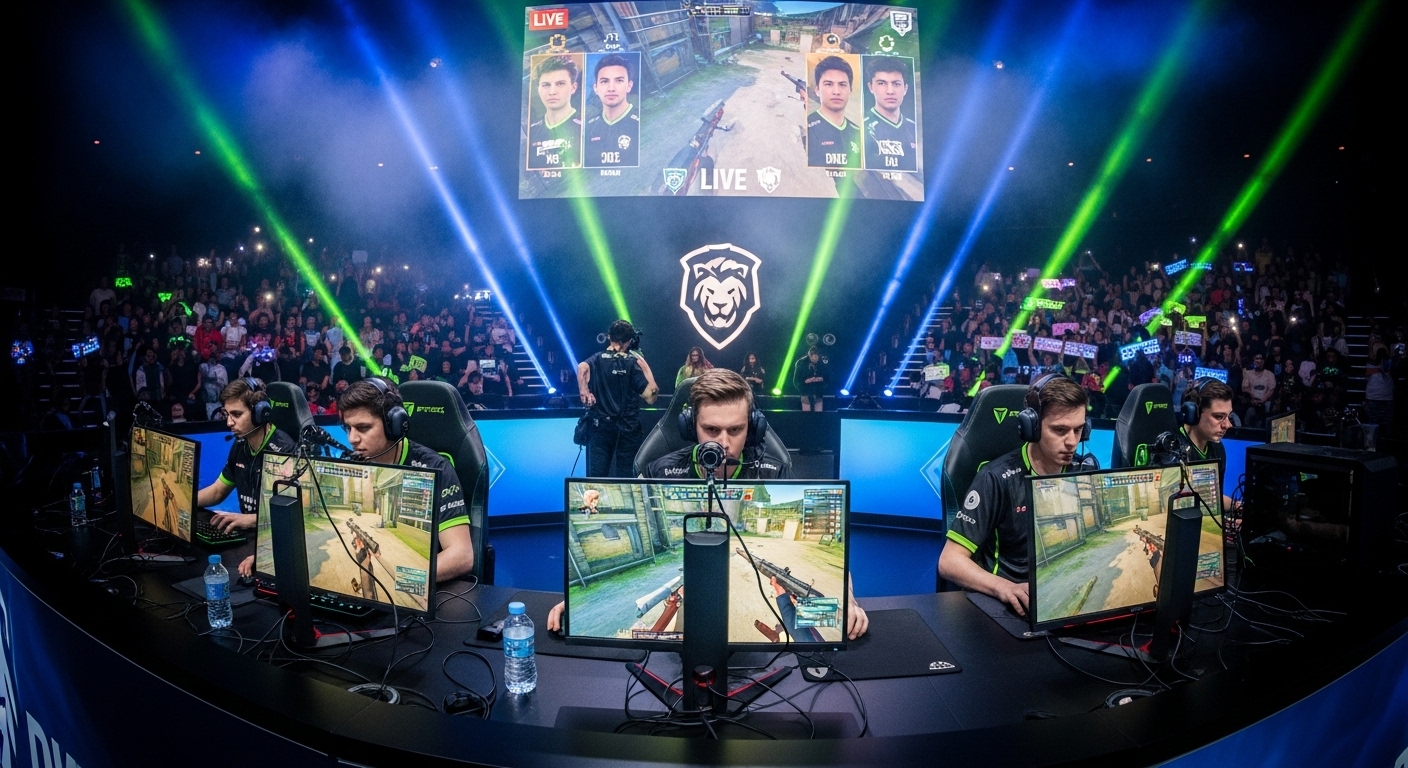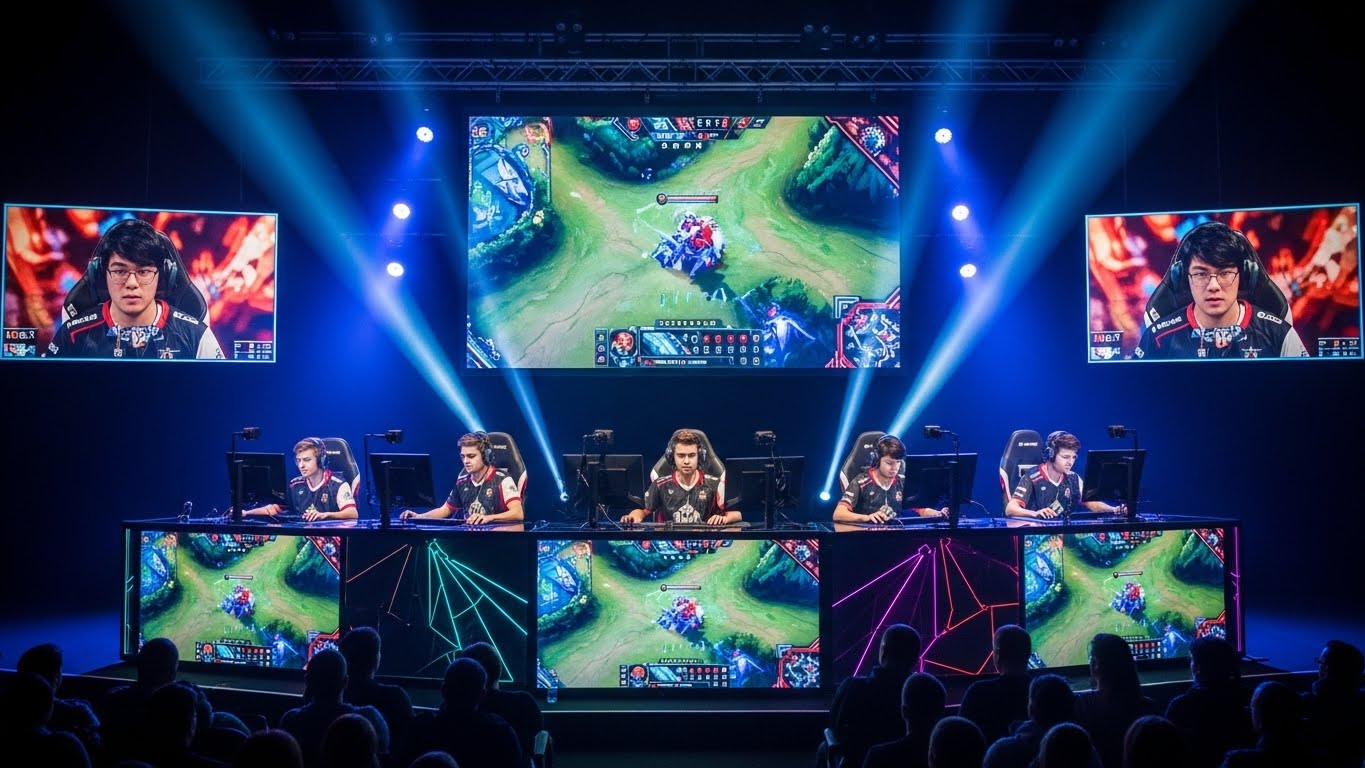
In the last two decades, competitive gaming, commonly known as esports, has transformed from a casual pastime into a global industry with millions of fans and players. Once considered a hobby, esports has now become a legitimate profession, a form of entertainment, and a cultural movement. With professional leagues, international tournaments, and sponsorship deals worth millions, esports continues to redefine the boundaries of sports and digital competition. This blog post explores the rise of esports, its impact on society, and what the future holds for this dynamic industry.
The Origins of Esports
The history of esports dates back to the 1970s and 1980s when early arcade games like Space Invaders and Pac-Man sparked competitive play. Players would compete in high-score challenges, sometimes rewarded with small prizes or recognition. As home computers and consoles became popular, competitive communities emerged around games such as Street Fighter, Quake, and StarCraft. These early competitions laid the foundation for organized esports, showing that gaming could be more than entertainment—it could be a competitive endeavor. The advent of broadband internet in the 2000s further accelerated the growth of esports, enabling players from different countries to compete in real-time tournaments.
The Rise of Professional Esports
Esports has evolved into a highly professionalized industry. Today, professional players dedicate countless hours to training, honing their skills, and perfecting strategies. Major games like League of Legends, Dota 2, Counter-Strike: Global Offensive, and Fortnite have structured leagues, regional tournaments, and global championships. The International Dota 2 Championship, for example, offers prize pools exceeding millions of dollars, attracting top talent from around the world. Beyond players, esports careers now include coaches, analysts, streamers, commentators, event organizers, and marketers. This professionalization has transformed gaming from a leisure activity into a serious career path.
Streaming Platforms and Fan Engagement
Streaming platforms have played a pivotal role in the rise of esports. Platforms like Twitch and YouTube Gaming allow fans to watch live competitions, interact with players, and engage with content creators. Unlike traditional sports, esports offers an interactive experience where fans can communicate, comment, and participate in live discussions. The accessibility of online streaming has enabled esports to reach a global audience, making tournaments viewable to millions regardless of geographic location. This interaction fosters a sense of community and loyalty among fans, creating a vibrant digital ecosystem around competitive gaming.
Cognitive and Mental Benefits of Esports
While esports is often criticized for being sedentary, competitive gaming provides significant cognitive and mental benefits. Games require high levels of concentration, quick decision-making, problem-solving, and multitasking. Strategy-based games enhance analytical thinking, planning, and situational awareness. Team-based games foster communication, leadership, and collaboration, while solo games encourage self-reliance and adaptability. Additionally, esports can improve mental resilience, teaching players how to handle pressure, failure, and success. The mental training inherent in esports contributes to personal development beyond the gaming environment.
Building Communities Through Gaming
One of the most remarkable aspects of esports is its ability to build communities. Online forums, social media groups, and live chat during streams create spaces for fans and players to connect. Local tournaments and gaming events provide opportunities for in-person interaction, mentorship, and networking. These communities are diverse, including players of different ages, genders, and backgrounds. Esports communities not only share a love for gaming but also foster teamwork, social engagement, and a sense of belonging. The social aspect of esports demonstrates that competitive gaming can strengthen human connections rather than isolate individuals.
The Economic Impact of Esports
The esports industry has grown into a multi-billion-dollar global enterprise. Revenue comes from sponsorship deals, advertising, media rights, merchandise sales, and ticketed events. Major tournaments generate significant economic activity, benefiting game developers, event organizers, local businesses, and media platforms. Sponsorship deals with brands, both within and outside the gaming industry, provide financial stability for teams and players. The economic growth of esports reflects its increasing mainstream acceptance, showing that competitive gaming is not only culturally influential but also financially viable.
Technology Driving Esports Growth
Technology has been central to the rise of esports. High-speed internet, gaming hardware, and software innovations enable smooth gameplay and competitive integrity. Streaming technology allows fans to watch live matches with high-quality visuals, commentary, and interactive features. Data analytics help teams evaluate performance, develop strategies, and optimize training. Virtual reality and augmented reality are starting to influence esports, offering immersive experiences for players and spectators. The integration of technology ensures that esports remains a dynamic and evolving industry, constantly pushing the boundaries of entertainment and competition.
Cultural Influence of Esports
Esports has become a powerful cultural force. Top players are celebrated like traditional sports stars, influencing fan culture, social media trends, and even fashion. Tournaments attract large audiences comparable to major sporting events, and international competitions foster national pride. Esports also intersects with music, film, and social media, creating a hybrid entertainment culture. The rise of esports has reshaped societal perceptions of gaming, demonstrating that it is not merely a hobby but a legitimate form of competition, entertainment, and cultural expression.
Challenges Facing Esports
Despite its growth, esports faces several challenges. Player burnout, stress, and mental health issues are common due to long practice hours and high expectations. Cheating, match-fixing, and ethical concerns threaten competitive integrity. Regulatory frameworks and standardized governance are still developing, leading to inconsistent rules and practices. Additionally, stereotypes about gaming being unproductive persist in some societies. Addressing these challenges requires cooperation among developers, organizers, players, and regulators to ensure a sustainable and credible industry.
Gender Inclusivity in Esports
Esports has historically been male-dominated, but female participation is increasing. Initiatives to promote inclusivity, create women-only leagues, and offer mentorship programs are encouraging more women to compete professionally. Female gamers are breaking barriers, proving their skill and dedication on international stages. Greater gender diversity enriches competitive play and contributes to a more inclusive gaming culture. Promoting gender equality in esports highlights the importance of representation and ensures that the industry benefits from the talent and creativity of all players.
The Future of Esports
The future of esports is poised for continued growth and innovation. Virtual reality, artificial intelligence, and enhanced analytics will shape the next generation of competitive gaming. Educational institutions are increasingly offering esports programs, scholarships, and research opportunities. Global connectivity will enable even broader participation, making esports more accessible to players from diverse backgrounds. Esports will continue to evolve as a form of entertainment, professional competition, and cultural expression, solidifying its place in the global sporting and digital landscape.
Conclusion: Esports as a Transformative Force
Esports represents more than competitive gaming; it is a reflection of technological progress, cultural evolution, and human creativity. It combines entertainment, competition, and community, offering opportunities for personal growth, professional careers, and social engagement. The industry continues to redefine the boundaries of sports and leisure, showing that gaming can be a legitimate and influential part of modern society. As esports grows, it will remain a transformative force, shaping the future of competition, culture, and digital interaction for generations to come.