Introduction: A New Era of Competition
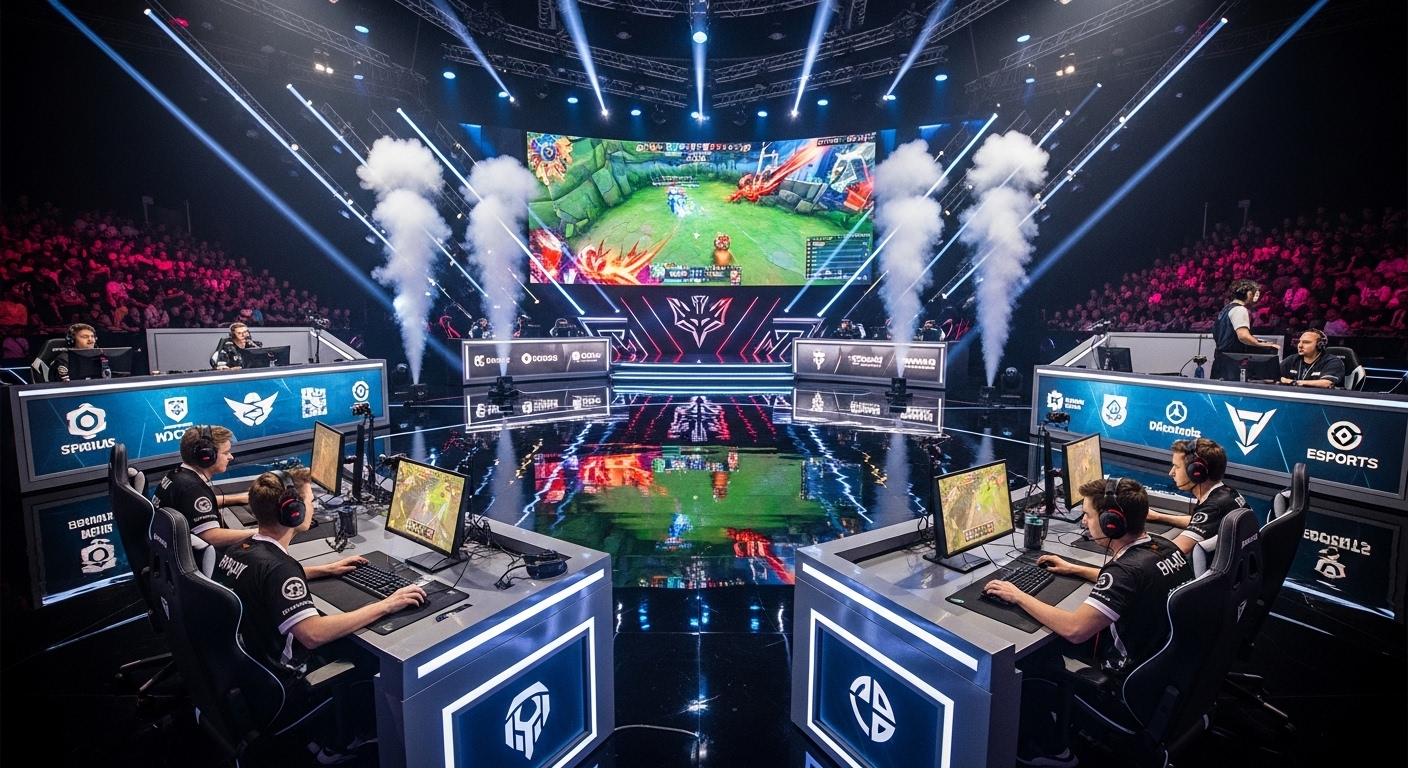
In the past decade, esports has shifted from a niche hobby to a global phenomenon. What started as informal gatherings of gamers has transformed into an organized, multi-billion-dollar industry that rivals traditional sports in both viewership and cultural impact. Esports is no longer just about playing games; it has become a profession, a form of entertainment, and a cultural movement.
This blog explores the rise of esports, its cultural significance, the life of professional players, and its future potential. Understanding esports requires looking beyond the screen to see the structure, strategy, and dedication that fuel this competitive world.
The Origins of Competitive Gaming
Competitive gaming has been around almost as long as video games themselves. Early competitions in arcades and university labs laid the groundwork, but it was the internet that truly transformed competitive play. Online multiplayer games allowed players from across the world to challenge each other, creating communities, rivalries, and eventually formal tournaments.
Games designed for balance and competitive play accelerated esports’ growth. Titles such as first-person shooters, strategy games, and sports simulators created a framework where skill and teamwork could shine. By the early 2000s, professional gaming leagues had begun to emerge, solidifying esports as more than just casual entertainment.
Defining Esports: More Than Just Playing
Esports is defined by organized, competitive gaming where individuals or teams compete under structured rules for recognition, rankings, and prizes. Unlike casual gaming, esports demands rigorous training, strategic thinking, and consistent performance.
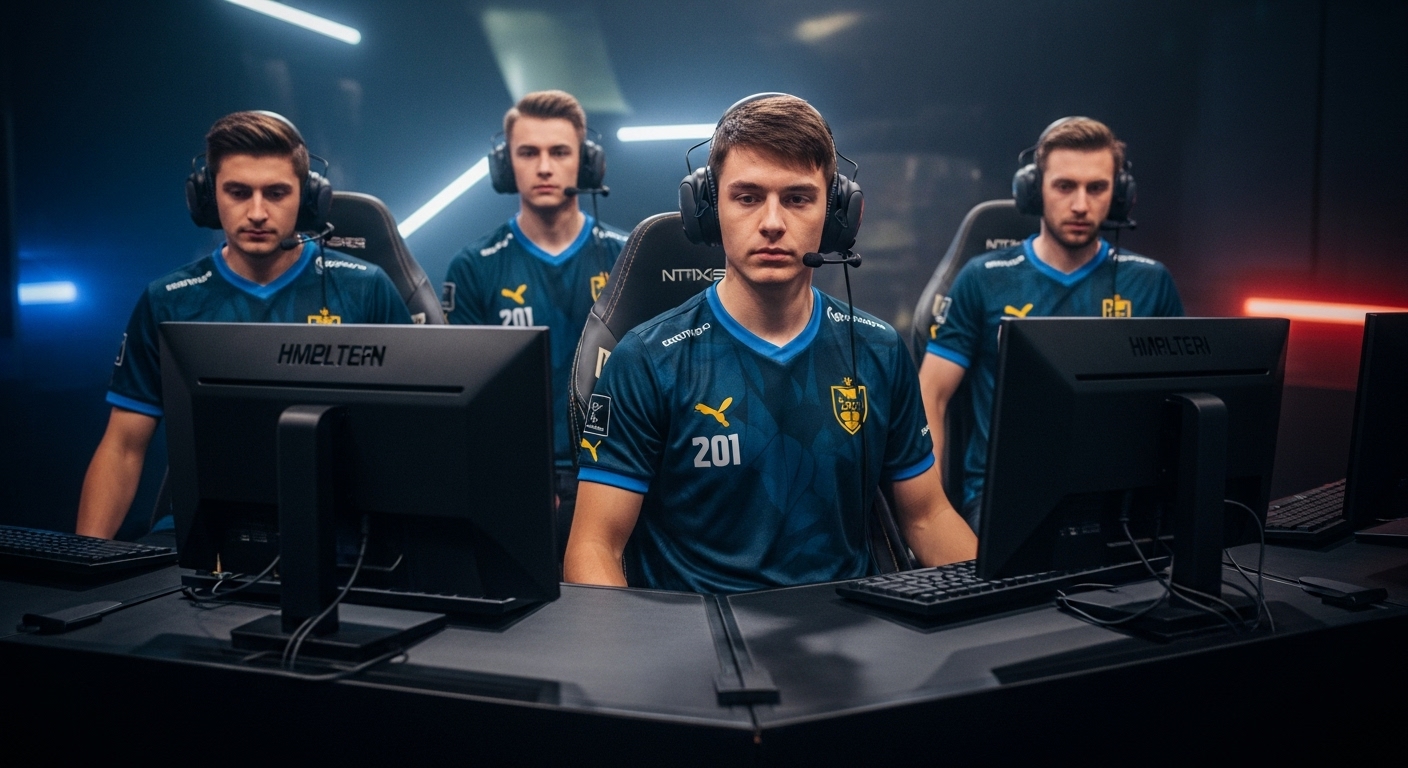
Professional players operate similarly to traditional athletes. They adhere to strict practice schedules, analyze gameplay for improvement, and collaborate with coaches to optimize team strategies. Tournaments are broadcast to millions, complete with commentators, analysts, and production teams, elevating esports to a spectator sport.
Popular Esports Genres and Games
The esports landscape is diverse, spanning multiple genres that appeal to various audiences. Multiplayer online battle arena (MOBA) games prioritize teamwork and strategy, while first-person shooters focus on precision and reflexes. Real-time strategy games emphasize long-term planning and adaptability, and sports simulation games blend real-world knowledge with virtual execution.
This variety allows players to specialize in areas that match their interests and strengths. It also ensures that fans have options, creating a rich, multifaceted community with multiple competitive avenues.
The Life of a Professional Esports Player
Contrary to outdated stereotypes, professional esports players are highly disciplined athletes. Success requires exceptional hand-eye coordination, rapid decision-making, and mental resilience. Players often practice for hours each day, reviewing past matches and refining techniques to maintain peak performance.
Physical fitness and mental health are increasingly recognized as critical components of a professional esports career. Teams now employ fitness trainers, nutritionists, and psychologists to ensure players remain healthy, focused, and capable of handling the pressures of high-stakes competition.
Teams, Organizations, and Leagues
At the heart of esports are teams and organizations that manage players, branding, and sponsorships. These organizations operate like professional sports clubs, providing infrastructure, coaching, and strategic planning. Successful teams invest in talent development, marketing, and fan engagement, creating a sustainable ecosystem.
Leagues and tournaments give structure to competitive gaming. Seasonal leagues with regular matches maintain fan engagement, while open tournaments allow new teams to qualify and challenge established champions. This competitive framework ensures the integrity and excitement of esports competitions.
The Role of Fans and Community
The esports community is a driving force behind its growth. Fans are active participants, engaging in live chats, social media discussions, fan art, and amateur tournaments. This interaction creates a sense of connection between players and audiences, often more intimate than traditional sports.
Communities contribute to esports culture, sharing highlight clips, game strategies, and content that extends beyond professional matches. The participatory nature of esports ensures that it is not only a spectator sport but also a collaborative, evolving cultural phenomenon.
Streaming Platforms and Media Coverage
Streaming platforms have revolutionized esports, enabling fans to watch live matches, follow favorite players, and interact in real-time. Unlike traditional broadcasts, streaming offers direct engagement, creating a sense of belonging and immediacy.
Esports media also includes documentaries, interviews, and analytical content. These narratives humanize players, showcase their dedication, and reveal the challenges they face. The stories behind the game add depth to the viewing experience, turning competitions into compelling entertainment.
Economic Impact and Career Opportunities
Esports has created a wide array of career paths beyond professional gameplay. Coaches, analysts, event organizers, broadcasters, content creators, and marketing professionals contribute to the ecosystem. The industry’s revenue streams include sponsorships, merchandise, ticket sales, and media rights.
Universities and educational programs have recognized esports as a legitimate career path, offering courses in gaming, production, and management. Scholarships and training programs provide aspiring professionals with the skills and resources needed to succeed in this competitive environment.
Challenges Facing Esports
Despite its rapid growth, esports faces several challenges. Player burnout, inconsistent regulations, and financial instability are ongoing concerns. The fast-paced nature of the industry can sometimes outstrip infrastructure, leaving gaps in player welfare and governance.
Public perception remains a hurdle. While attitudes are changing, esports is still sometimes seen as a hobby rather than a legitimate sport. Addressing these challenges requires coordinated efforts from developers, organizations, players, and regulators to ensure sustainability and professionalism.
Esports as a Cultural Phenomenon
Esports has become a global cultural force. International tournaments bring together players and fans from diverse backgrounds, fostering shared experiences and cultural exchange. In many regions, esports has influenced fashion, music, and online communication, reflecting the values of a digitally connected generation.
The integration of esports into mainstream culture highlights its significance as more than just a gaming trend. It represents new ways of connecting, competing, and entertaining in the modern world.
The Future of Esports
The future of esports is filled with potential. Emerging technologies such as virtual reality, artificial intelligence, and advanced streaming capabilities may redefine gameplay and spectator experiences. Institutional support and standardized governance could enhance professionalism, providing stability for players and organizations.
Esports is likely to coexist with traditional sports, complementing rather than replacing them. Its adaptability, innovation, and global reach position it as a defining element of modern entertainment and competitive culture.
Conclusion: Beyond Gaming
Esports has redefined the boundaries of sport, competition, and entertainment. It combines technology, human skill, and cultural influence to create a dynamic, evolving industry. What began as casual play has become a global ecosystem that impacts careers, communities, and culture.
By looking beyond the screen, we see that esports is about people, passion, and performance. It is a testament to how digital innovation can create real-world impact, shaping the future of competition, storytelling, and entertainment. Esports is not just a game; it is a movement that continues to grow and inspire.