Introduction: The Rise of a Digital Sport
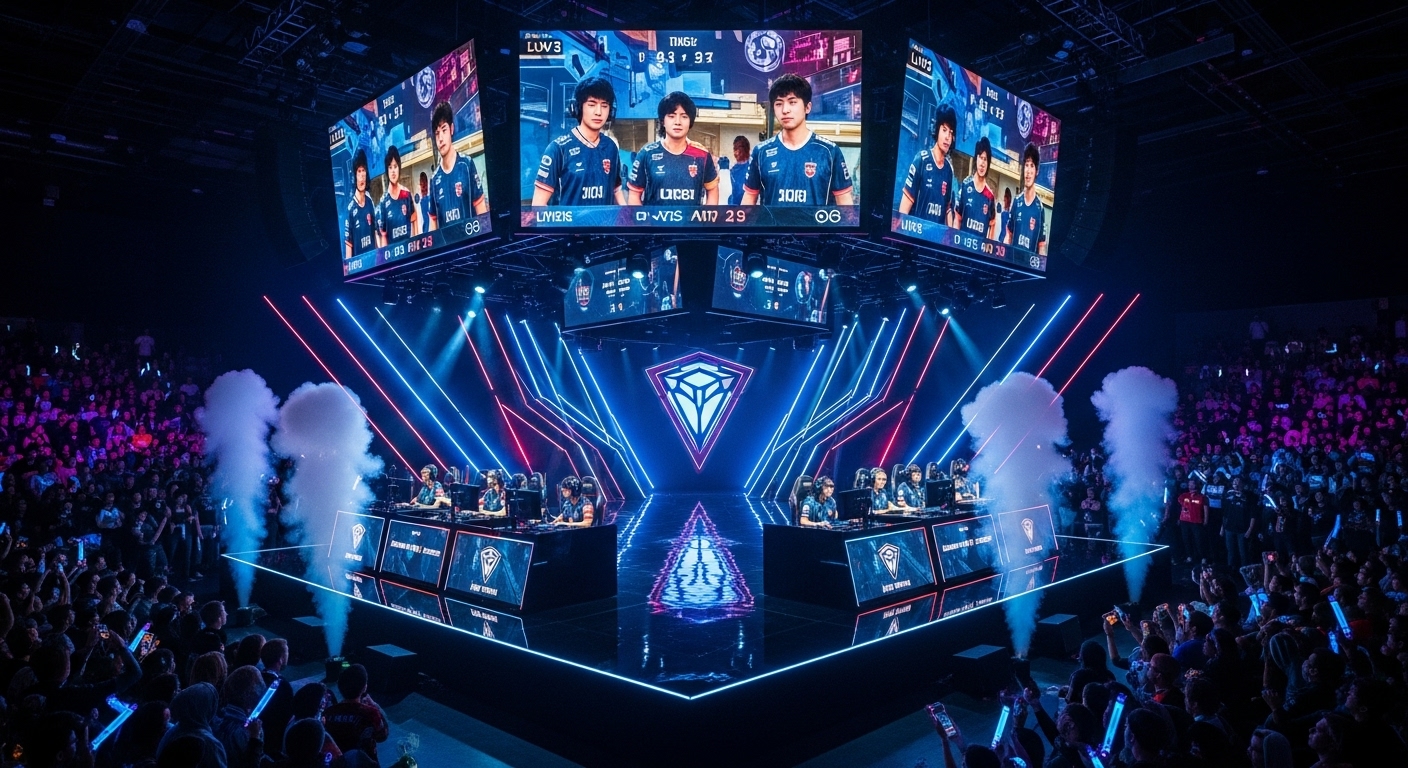
Esports has grown from simple competitive gaming into a global phenomenon that commands massive audiences and cultural influence. What once existed in small gaming rooms and online lobbies has evolved into packed arenas, professional leagues, and international championships. Esports is not just about entertainment; it is a reflection of how technology, competition, and human ambition intersect in the modern age.
This blog explores esports as a sport, an industry, and a cultural movement. By examining its origins, professional structure, players, fan culture, and future, we can understand why esports has become one of the most powerful forces in contemporary entertainment.
The Origins of Competitive Gaming
Competitive gaming began long before esports became a recognized term. Early video game competitions focused on achieving the highest scores, often in arcades or local gaming communities. These competitions were informal, but they planted the seeds for organized play and competitive pride.
As gaming technology advanced, multiplayer games allowed players to compete directly against one another. The expansion of internet access enabled global competition, breaking geographical barriers. Players could now test their skills against opponents worldwide, leading to the formation of teams, tournaments, and organized competitive structures.
What Makes Esports a Sport
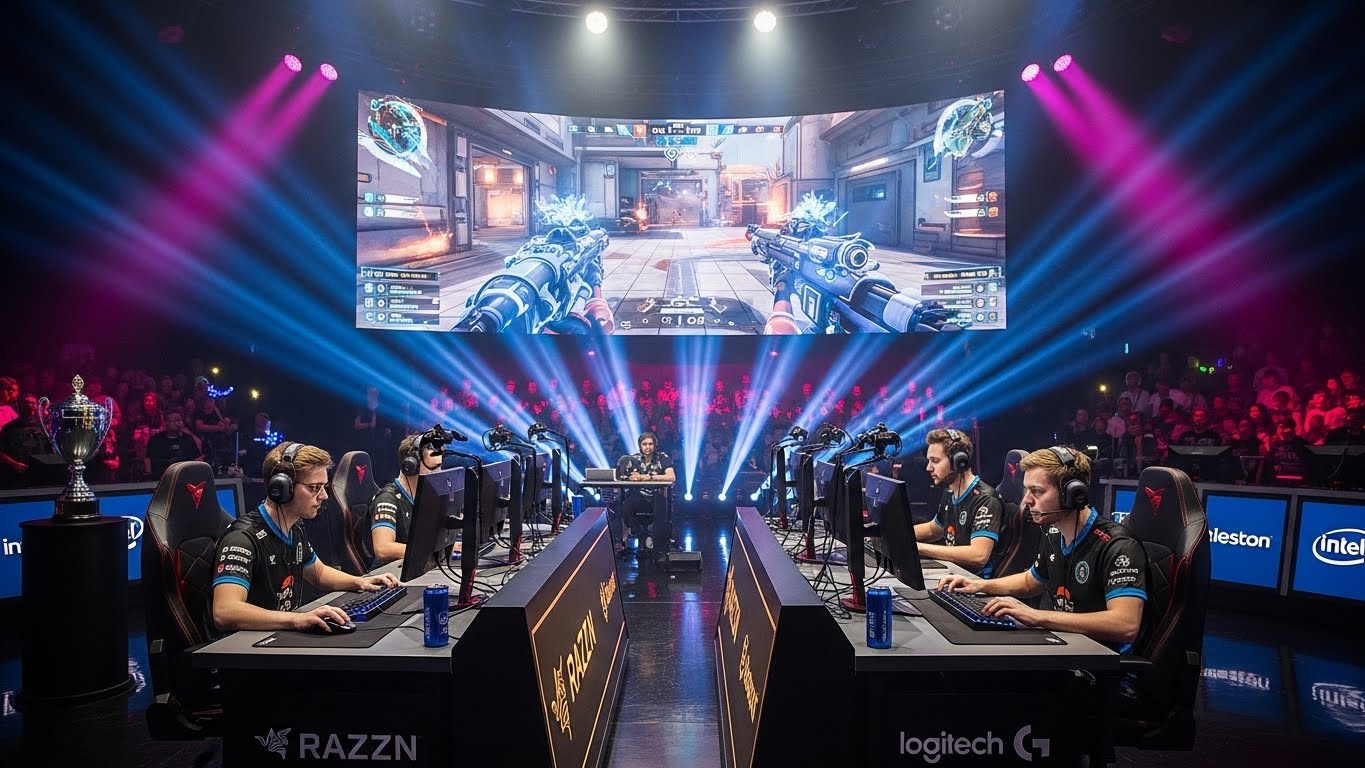
Esports qualifies as a sport due to its competitive nature, structured rules, and emphasis on skill development. Professional esports players train extensively, analyze opponents, and follow strict practice routines. Matches are governed by clear regulations, and outcomes depend on performance rather than chance.
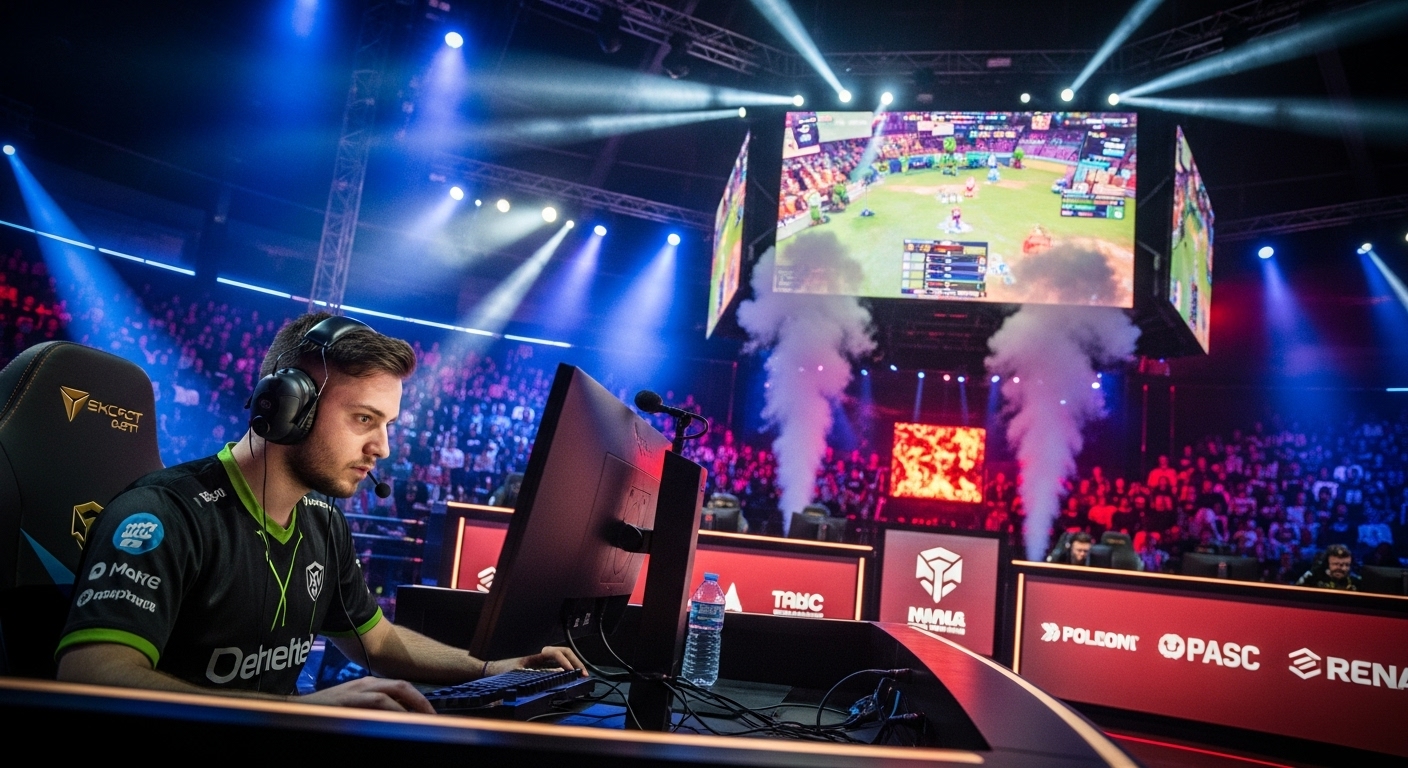
Mental strength plays a critical role in esports. Players must maintain focus under pressure, make split-second decisions, and adapt strategies in real time. This combination of mental agility, discipline, and competitive intensity places esports firmly within the realm of modern sports.
Major Esports Game Categories
Esports includes a wide variety of game types, each demanding different skills. Team-based strategy games focus on coordination, map awareness, and tactical planning. Shooting games prioritize accuracy, reflexes, and communication. Strategy games reward patience, foresight, and adaptability, while sports simulation games replicate real-world athletic competition in a virtual environment.
This diversity allows esports to appeal to a broad audience. Whether a fan enjoys fast-paced action or thoughtful strategy, esports offers competitive experiences that match different preferences and play styles.
The Life of a Professional Esports Player
The daily life of a professional esports player is built around discipline and improvement. Players often practice for long hours, refining mechanics, learning new strategies, and reviewing past performances. Training includes individual skill development as well as team coordination exercises.
Physical health and mental well-being are increasingly prioritized in esports. Many teams encourage exercise, proper nutrition, and rest to improve performance and reduce burnout. Mental coaching helps players handle stress, maintain confidence, and recover from losses in a highly competitive environment.
Teams and Organizational Structure
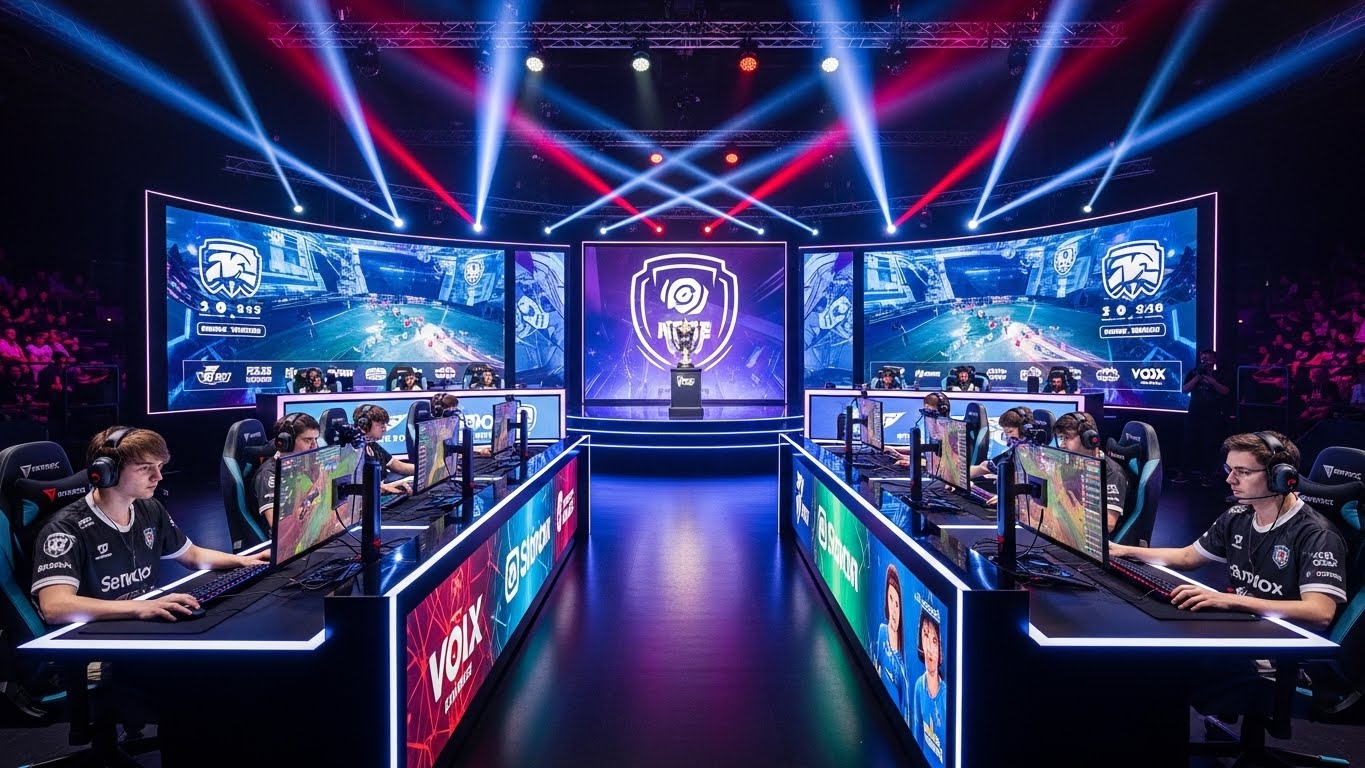
Esports teams function much like traditional sports organizations. They recruit players, provide training facilities, manage contracts, and represent brands. Coaches, analysts, and support staff work behind the scenes to ensure consistent performance and long-term success.
Professional leagues and tournament organizers provide structure to the competitive calendar. Regular seasons, playoffs, and championship events create narratives that engage fans and build rivalries. This organization helps esports maintain professionalism and credibility on a global scale.
Esports and the Role of Fans
Fans are at the heart of esports culture. Unlike traditional sports, esports allows fans to interact directly with players through live chats, online discussions, and community events. This close connection strengthens loyalty and creates a sense of belonging.
Fan creativity also shapes esports culture. Supporters produce artwork, videos, commentary, and discussions that extend beyond official competitions. This shared participation transforms esports into a living community rather than a passive viewing experience.
Streaming and Digital Entertainment
Streaming platforms have played a major role in the growth of esports. Fans can watch matches live, follow their favorite players, and learn advanced gameplay techniques. The interactive nature of streaming creates a shared experience where viewers feel part of the action.
Esports content goes beyond live competitions. Interviews, behind-the-scenes features, and analytical discussions provide insight into player journeys and team dynamics. These stories humanize esports athletes and deepen emotional connections with audiences.
Economic Impact of Esports
Esports has become a significant economic force. Revenue is generated through sponsorships, merchandise, ticket sales, and media production. Large tournaments create employment opportunities for event staff, broadcasters, designers, and organizers.
Career opportunities in esports extend far beyond playing. Coaching, content creation, event management, marketing, and technical support are essential roles within the ecosystem. As the industry grows, esports continues to offer new professional pathways for individuals with diverse skill sets.
Challenges Facing the Esports Industry
Despite its success, esports faces ongoing challenges. Player burnout remains a serious concern due to intense schedules and performance pressure. Financial instability can affect smaller teams and tournaments, making sustainability a key issue.
Another challenge is standardization. Rules, contracts, and player protections vary across regions and games. Developing consistent governance structures is essential for ensuring fairness and long-term growth within the industry.
Esports as a Cultural Phenomenon
Esports has become a global cultural movement, especially among younger generations. International competitions unite fans from different countries, creating shared excitement and mutual respect. Language and cultural differences fade as players and fans connect through competition.
Esports also influences fashion, music, and digital communication. Professional players become cultural icons, shaping trends and inspiring new generations of gamers. This cultural impact demonstrates that esports is more than competition; it is a reflection of modern digital identity.
The Future of Esports
The future of esports is filled with opportunity. Advancements in technology will enhance competitive gameplay and viewing experiences. Improved training methods, better infrastructure, and stronger governance may bring increased stability and recognition.
As esports continues to evolve, it will likely exist alongside traditional sports rather than replace them. Its flexibility, innovation, and global accessibility ensure that esports will remain a defining element of modern entertainment.
Conclusion: A New Definition of Competition
Esports has redefined what it means to compete in the digital age. It blends technology, human skill, and global connectivity into a powerful form of sport and entertainment. From humble beginnings to international stages, esports continues to challenge traditional ideas of athleticism and competition.
Looking beyond the screen reveals a world built on discipline, teamwork, and passion. Esports is not a passing trend but a lasting movement that reflects the future of competitive culture. As technology and society continue to evolve, esports stands as a symbol of how innovation can transform play into purpose and gaming into glory.