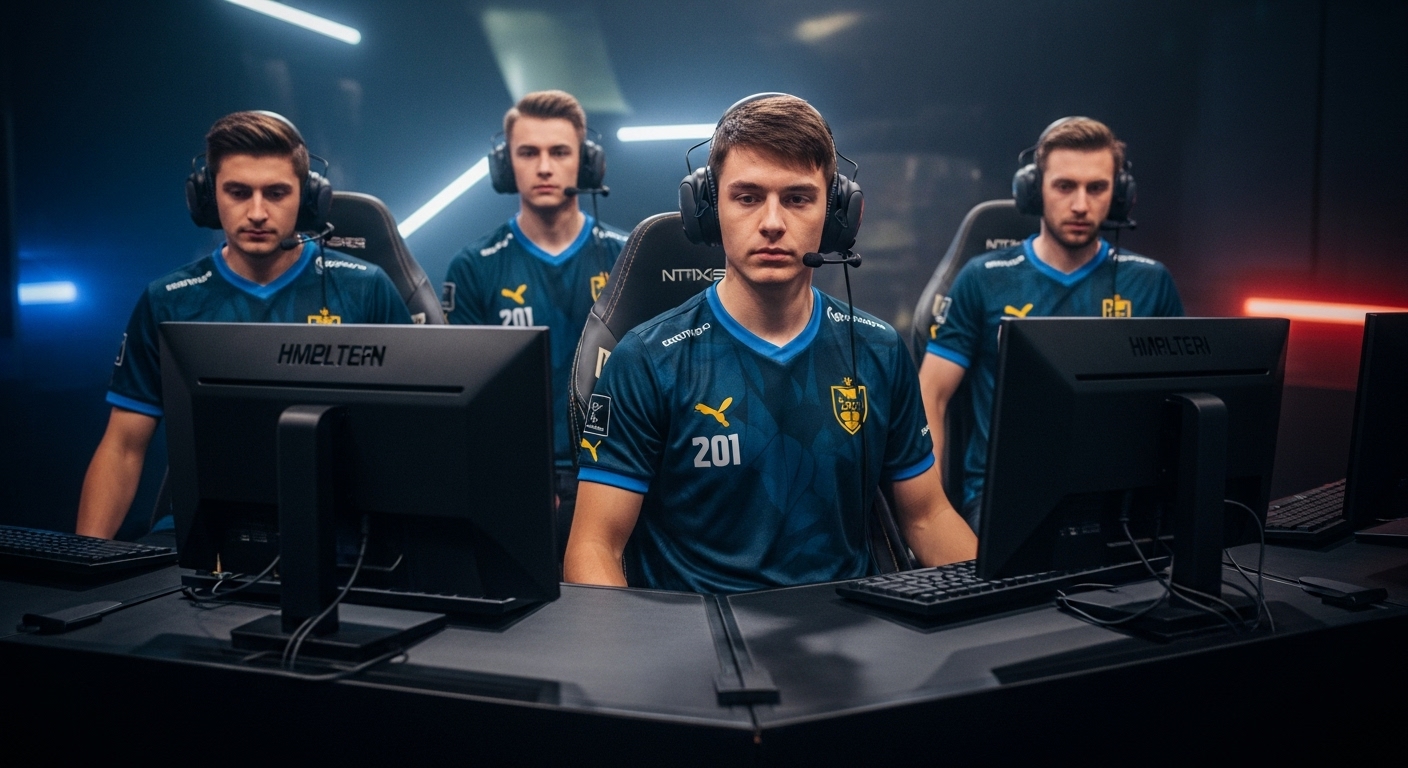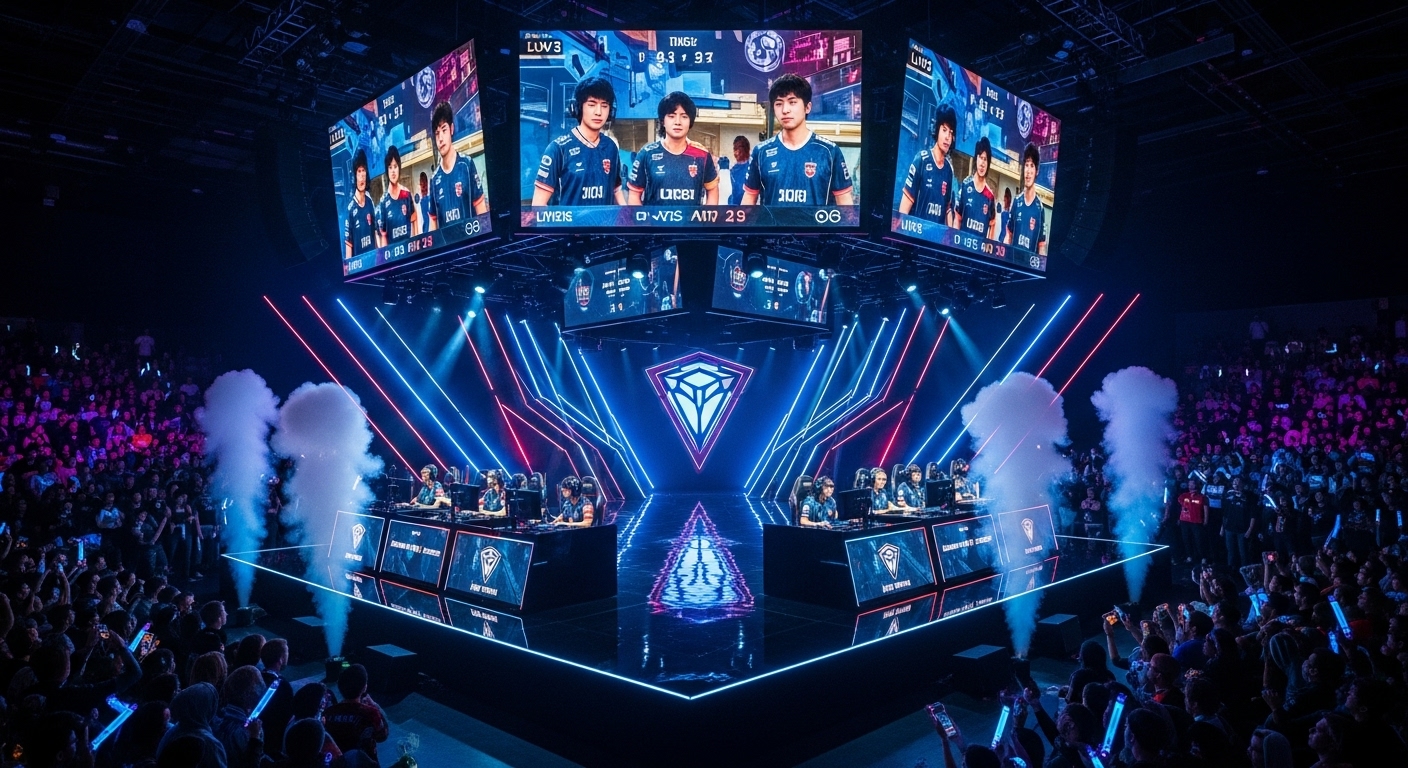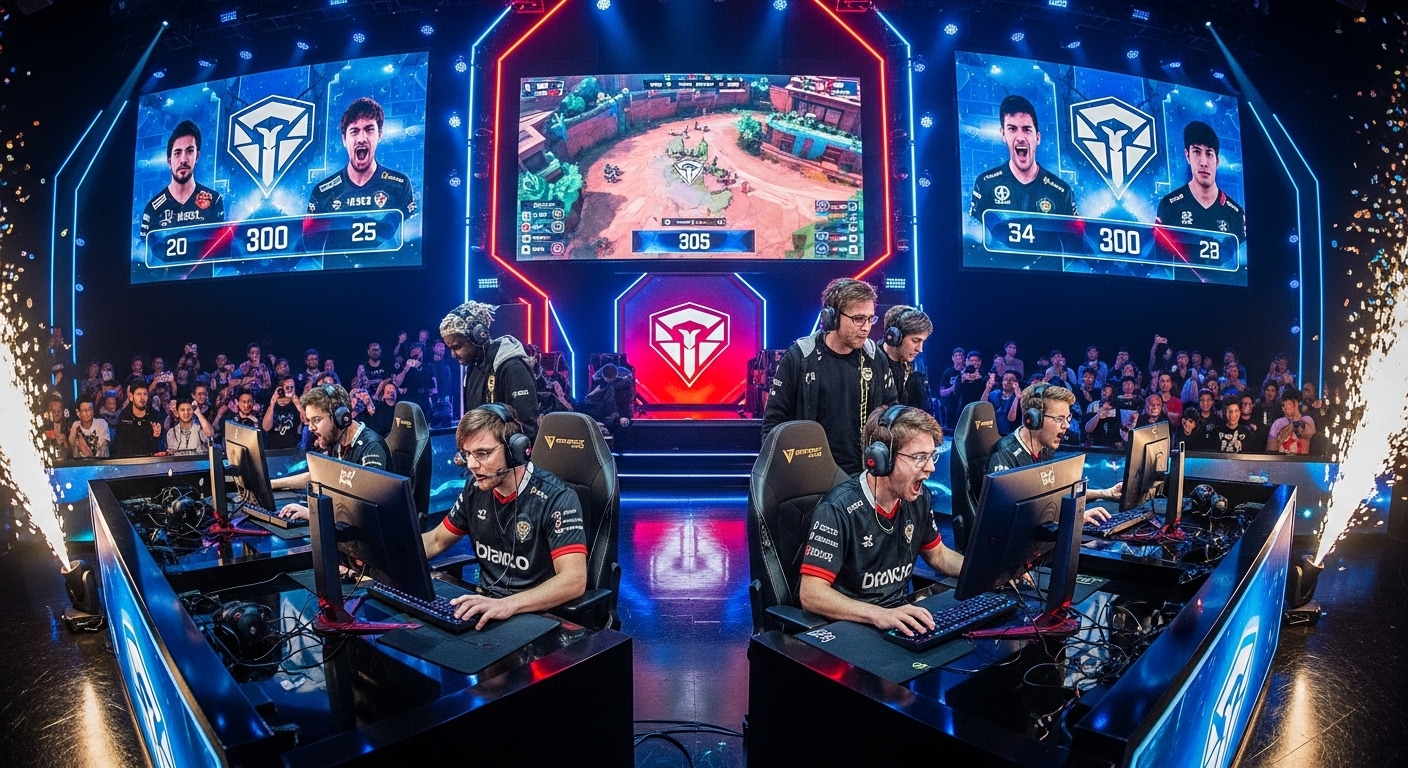
In the grand theater of human competition, ancient gladiators once battled in arenas for fame, honor, and survival. Today, a new breed of warriors has emerged—virtual gladiators who clash not with swords or shields, but with reflexes, strategy, and lightning‑fast decision making. This blog post explores the multifaceted world of esports: its origins, growth, cultural impact, business landscape, challenges, and future trajectories.
Origins and Evolution of Esports
From LAN Parties to Global Arenas
The roots of esports stretch back to small, grassroots gatherings known as LAN parties, where friends would gather in a room, connect machines via local area networks, and battle head‑to‑head in games like Quake, StarCraft, or Counter‑Strike. Those were earnest matches played for bragging rights rather than prize money.
Over time, streaming technology and broadband access improved, allowing competitive gaming to scale beyond local gatherings. Audiences could watch top players battle in real time. Game publishers began to see potential in structuring tournaments, and third‑party organizers emerged to run competitive leagues. What began as niche hobby turned into a spectator sport.
Turning Points & Milestones
Several key moments accelerated esports’ rise. The introduction of streaming platforms made it possible for millions to watch live competitions from anywhere in the world. The first multi‑million dollar prize pools began to appear in major tournaments, and brands started inserting themselves into sponsorships and advertising. Traditional media began treating esports seriously. Governments in certain countries began to officially recognize esports athletes. All these changes transformed competitive gaming into the modern industry it is today.
Defining Traits of Esports
What sets esports apart from casual gaming? First, structured competition—organized leagues, brackets, regulation. Second, spectator viewership—fans tuning in to watch top players compete. Third, professionalism—players training, coaching, teams investing in support, analytics, fitness. Fourth, monetization—prize pools, sponsorships, media rights. Together, these create an ecosystem that mirrors traditional sports, yet retains its uniquely digital DNA.
Types of Esports: Genres and Titles
Real-Time Strategy (RTS)
In real‑time strategy games, players manage resources, build units, and engage in spatial and strategic wars. Titles such as StarCraft II pioneered esports in this genre. The emphasis is on multitasking, macro and micro management, and adapting to opponents’ strategies in real time.
Multiplayer Online Battle Arena (MOBA)
MOBA games pit teams against each other in objective-driven, map‑based battlefields. Heroes or champions, each with unique abilities, fight for control of lanes, towers, and key objectives. Games such as Dota 2 and League of Legends are cornerstones of this genre. Esports tournaments in MOBAs attract massive viewership due to team dynamics, high stakes, and dramatic comebacks.
First-Person Shooters (FPS)
FPS esports feature fast reflexes, aiming precision, map control, and teamwork coordination. Games like Counter‑Strike, Valorant, Overwatch, and Call of Duty are staples here. The spectator appeal lies in explosive firefights, clutch plays, and tense rounds.
Fighting Games
Titles such as Street Fighter, Tekken, Super Smash Bros., and Mortal Kombat represent the one‑on‑one fight genre. These often emphasize mechanical skill, frame data knowledge, mind games, and matchup mastery. The competitive community is passionate, with storied tournament histories.
Battle Royale & Arena Shooters
Games like Fortnite, Apex Legends, and PUBG combine survival, map strategy, and elimination mechanics. They bring unpredictability: dynamic play zones, loot drops, and emergent strategies define each match.
Sports Simulators & Racing
Virtual renditions of real sports—FIFA, NBA2K, Rocket League, and racing sims like iRacing—bridge gaming and traditional athletics. These genres appeal to fans who appreciate parity between the virtual and real-world sports mechanics.
Infrastructure of Esports: Teams, Players, and Support
The Team Ecosystem
Esports teams operate in ways similar to traditional sports franchises. They recruit players, coaches, analysts, managers, and support staff (nutritionists, psychologists, physical trainers). They establish training facilities, bootcamps, review replays, and engage in scrims (practice matches). Some teams have regional academies to scout new talent. The support structure is critical, as many matches are decided by preparation, adaptation, and teamwork coherence rather than raw mechanical talent alone.
Role of the Professional Player
To become a pro, a player must combine rapid reflexes, deep game knowledge, adaptability, mental resilience, and teamwork. Many pros begin early, practicing hours daily. They study game patches, meta shifts, opponent play styles, and often participate in curated training regimens. Burnout and mental health challenges are real concerns: the pressure to perform, travel schedules, and constant iteration require support resources.
Coaches, Analysts, Support Staff
A modern esports team includes coaches who guide strategy, define practice plans, develop team synergies, and make in‑game calls or vetoes. Analysts dive into statistical data, opponent tendencies, map choices, and strengths/weaknesses. Support staff handle logistics, travel, nutrition, mental coaching, and even physical fitness, recognizing that a sharp mind often depends on a healthy body.
The Spectator Experience & Media
Broadcasting Style & Production Value
Esports broadcasts incorporate high production values: casters (commentators), observers (camera directors within the game), real-time stats, player cams, instant replays, overlays, graphics, crowd shots. These mirror traditional sports broadcasts in complexity. The pacing is tailored to keep viewers hooked—even non‑elite matches aim for dramatic viewer engagement.
Viewership Platforms
Streaming platforms are the lifeblood of esports viewership. Millions tune in via dedicated game streaming services or video platforms. Chat engagement, interactive features, viewer rewards, and live commentary enhance the experience. Many tournaments also project matches in stadiums: large audiences attend live finals, bringing a tangible atmosphere.
Fan Culture & Community
Esports fans aren’t passive—they create content, speculate strategies, debate metas, craft memes, and participate in amateur leagues. Community engagement is deep: fan art, cosplay, forums, in‑game events, social media. This vibrant culture helps grow loyalty and perpetuate interest beyond just watching matches.
Economics of Esports
Revenue Streams
Esports generates revenue through multiple channels: sponsorships (brands paying for visibility), media rights (selling broadcast rights), advertising, ticket sales for live events, merchandise, team investments, publisher fees, and in some cases, subscription models or virtual goods.
Prize Pools & Incentives
Large tournaments offer substantial prize pools, which attract top talent and raise stakes. Event organizers often supplement prize pools with crowd‑funded contributions or corporate sponsorships. These prizes reward excellence but also create economic pressures on teams and players to sustain performance.
Investment, Ownership & Franchising
Traditional sports owners, venture capitalists, and media companies invest in esports teams and leagues. Some leagues adopt franchising models (fixed slots, revenue sharing, central governance). This can stabilize the ecosystem but also restrict open participation. Ownership stakes sometimes cross into cross-overs with mainstream sports franchises.
Challenges in Monetization
Despite rapid growth, monetizing esports is not easy. Viewership tends to peak around marquee events, and maintaining consistent audience engagement is tough. Sponsors and advertisers sometimes struggle to connect with the esports audience. Regional differences in monetization ability, infrastructure gaps, and variable maturity levels create financial instability in many markets.
Geographic Landscape & Notable Regions
East Asia: Dominance and Investment
Countries such as South Korea and China have historically been strongholds in esports. In South Korea, esports players enjoy celebrity status, and domestic infrastructure—from gaming cafes to national leagues—is deeply established. China features large prize pools, state-level recognition, and massive audiences.
North America and Europe: Hybrid Growth
In Western markets, esports has grown alongside traditional sports. Franchising models, media partnerships, and celebrity endorsements have become common. The infrastructure often leans more heavily on entertainment, production, and media integration.
Emerging Regions: Southeast Asia, Latin America, South Asia
Growth in these areas has been explosive. Lower infrastructure barriers (mobile gaming, internet penetration) help. Local tournaments, regional leagues, grassroots communities, and mobile esports contribute to accelerating momentum. Talent is rising from previously overlooked geographies, diversifying the competitive pool.
Challenges and Criticisms
Player Health and Sustainability
Long hours, travel fatigue, mental stress, and repetitive motion injuries are serious concerns. Without proactive support—rest schedules, medical care, psychological resources—players risk burnout and health deterioration.
Governance, Regulation & Fair Play
Cheating, doping (or performance enhancement), match-fixing, account hacking, and integrity issues challenge esports. Establishing regulatory bodies, anti-cheat systems, and standardized rules is essential. Disputes over league governance, prize distribution, and contractual transparency also arise.
Accessibility and Infrastructure Disparities
Many regions lack reliable internet, stable power, or gaming hardware. This constrains competitive access. Infrastructure inequality means talent can be overlooked simply due to geography.
Oversaturation & Sustainability
Too many tournaments, overlapping schedules, and constant content demands can lead to fatigue among players and audiences. Maintaining quality over quantity is vital. Moreover, a major issue is that revenue is concentrated in elite competitions, leaving many players and small teams financially unstable.
Legal and Policy Hurdles
In some countries, gaming is regulated or frowned upon. Visa difficulties for international travel, taxation on prize money, and lack of recognition for esports athletes complicate operations. Intellectual property rights, game publisher control, and licensing constraints further muddle the landscape.
Success Stories and Milestones
Iconic Teams & Players
Legendary players who define eras become household names in the esports world. Their stories often inspire future generations. Some teams have built empires, expanding into merchandise, content production, and media. Their branding and legacy matter as much as match wins.
Monumental Tournaments
Some events have become landmarks: tournaments with tens of millions in prize money, packed stadium audiences, and worldwide broadcast reach. They serve as the Super Bowls and Champions Leagues of esports, defining prestige and aspiration.
Mainstream Crossovers
In recent years, esports have infiltrated mainstream culture: celebrities investing in teams, traditional sports franchises acquiring teams, broadcasting on linear television, opening ceremonies with major performers, and crossover marketing. Esports is slowly being accepted as its own entertainment vertical, not just a niche subset of gaming.
The Future of Esports
Technological Innovations
Advancements such as virtual reality (VR), augmented reality (AR), cloud gaming, and streaming optimizations could reshape how esports is played and viewed. VR esports tournaments might offer new formats. Cloud streaming could reduce hardware barriers. AI may assist coaching or analytics. The next decade promises innovation.
Expanded Revenue Models
Expect experimentation beyond sponsorships and tickets. Possibilities include fan tokenization, blockchain-based ownership, virtual merchandise, in-game integrations, subscription models, and interactive viewer participation shaping match conditions.
Integration with Education and Sports Systems
Collegiate esports is growing. Schools and universities are forming teams, offering scholarships, and formalizing esports curricula. National sports bodies may come to view esports as legitimate competition. This institutionalization can lend legitimacy and structure.
Cross-Media Ecosystems
Esports organizations may evolve into multimedia companies: producing content beyond matches (web series, documentaries, comics, animation), venturing into lifestyle branding, fashion, pop culture. They’ll become entertainment brands as much as competitive entities.
Inclusivity, Diversity & Gender Equity
Strides toward better representation of women and underrepresented groups are underway. As esports matures, cultivating inclusive policies, supportive environments, and equal opportunity becomes not just aspirational, but essential for community health and credibility.
Environmental and Social Responsibility
Large events entail travel, energy consumption, and carbon footprints. Going forward, sustainability practices—green energy, local events, carbon offsets—may become more integrated. Also, giving back to communities, supporting education, and grassroots development strengthen the social role of esports.
What Makes a Great Esport?
While many games can be competitive, a few core attributes tend to elevate a title into a high‑level esport.
Balance and Fairness: No dominant one strategy; updates must maintain balance.
Spectator Clarity: Viewers should understand objectives, stakes, and flow.
Strategic Depth: Decisions, counter‑play, and emergent strategies matter.
High Skill Ceiling: Mastery should reward training and practice.
Regular Updates and Developer Support: Developers must commit to balancing, banning exploits, patch cycles.
Community and Audience Engagement: A passionate fanbase that discusses, theorizes, and promotes the game helps sustain interest.
Games failing these criteria often struggle to maintain long‑term competitive support, regardless of initial hype.
Advice for Aspiring Players and Organizers
For Players
- Develop consistent practice routines, but also focus on rest and mental health.
- Analyze your gameplay critically; watch replays and learn mistakes.
- Seek feedback from peers, coaches, or mentors.
- Participate in grassroots tournaments or online ladders to build experience.
- Maintain balance: physical fitness, sleep, nutrition all support peak performance.
For Team Organizers
- Invest in support systems—coaches, analysts, health staff—not just the roster.
- Build a sustainable financial model; diversify revenue streams.
- Nurture talent development pipelines (academy teams).
- Engage fans with content beyond matches—behind‑the‑scenes, stories, personality.
- Maintain transparency, fair contracts, and attention to player welfare to avoid reputation risk.
For Event Organizers
- Focus on broadcast quality, production storytelling, and viewer retention.
- Optimize scheduling to prevent tournament fatigue and player overcommitment.
- Ensure fair officiating, integrity mechanisms, and dispute resolution.
- Tailor events for local and international appeal—consider venue, audience comfort, logistics.
- Cultivate media and sponsor relationships by crafting packages that bring value and exposure.
Esports and Society: Cultural Impacts
Redefining What Competition Means
Esports challenges conventional definitions of sport and athleticism. It broadens the notion that competition need not only be physical strength or endurance—it can also be mind, precision, and digital interaction.
Youth Engagement & Education
Younger generations often gravitate toward gaming and technology. Esports can offer pathways for skill development: teamwork, strategic thinking, communication, digital literacy. When integrated thoughtfully into education systems, it can provide alternatives to traditional athletic tracks.
Breaking Geographic Boundaries
Unlike many physical sports tied to climate, facilities, or geography, esports levels the playing field across borders. A player in a rural area with internet access can compete globally. This democratization opens opportunity.
Identity, Fandom & Social Connection
Esports builds communities of identity: fans aligning with favorite teams or players, forming bonds across cultures. The shared passion for games creates social connections. For many, online gaming communities can provide friendship and belonging.
Media & Entertainment Convergence
Esports increasingly intersects with entertainment—music, pop culture, streaming personalities. It’s not just about the match but the spectacle, the narratives, the personalities behind the controllers. This fusion reshapes media norms.
Case Studies: Lessons from Landmark Esports
The Underdog Cinderella Team
In one historic tournament, a relatively unknown team defied all expectations, defeating top seeds in dramatic fashion and claiming the title. Their journey galvanized fans, boosted viewership, and underscored that unexpected stories resonate deeply.
Lesson: narratives matter. Upsets and underdog tales build emotional investment beyond the game mechanics.
Strategic Meta Shift Turnaround
A tournament season was dominated by a particular gameplay style. One team innovated a counter‑strategy mid‑season, overthrowing the established meta and winning the championship.
Lesson: strategic adaptability and innovation, not just raw strength, decide champions.
Controversy and Redemption
A scandal involving match-fixing rocked a league. After investigations, penalties, and governance reforms, the league rebuilt trust, introduced stricter integrity rules, and recovered viewership.
Lesson: maintaining integrity is essential. Transparency and corrective measures restore community faith.
Measuring Success: Metrics and Indicators
Viewership and Streaming Metrics
Peak concurrent viewers, average watch time, geographic breakdowns, and platform shares are critical indicators. These show audience engagement and monetization potential.
Prize Pool and Financial Health
How prize money evolves across seasons, team revenue breakdowns, sponsorship deals, and broadcast rights offer insight into the industry’s financial viability.
Player Retention and Turnover
Measuring how many players persist across years vs those who drop out helps assess career sustainability and systemic pressures.
Brand Recognition and Fan Loyalty
Merchandise sales, social media engagement, brand recall, and cross‑media presence track how deep esports brands penetrate public consciousness.
Regional Growth and Infrastructure
New tournaments, teams forming in previously untapped regions, rise in grassroots leagues, and infrastructure investments (internet, gaming centers) indicate expansion health.
Challenges Ahead: Deep Dive
Mental Health & Burnout
Constant training, expectation pressure, and public scrutiny strain mental resilience. Depression, anxiety, performance slumps, and burnout are real. The industry must normalize psychological support, enforced breaks, counseling, and sustainable schedules.
Economic Volatility
Teams reliant on a small number of sponsors or tournament income can suffer when deals expire or events underperform. Diversification is essential. Some teams collapse after one bad season.
Publisher Control vs. Competitive Autonomy
Game publishers own the intellectual property and can alter mechanics arbitrarily. League organizers must navigate balance: too much control and rigidity stifles innovation; too little and games may become inconsistent or unfair.
Regulatory Frameworks
Unlike traditional sports that have longstanding regulatory bodies, esports is fragmented. The absence of uniform regulation complicates cross‑border tournaments, player rights, and dispute resolution.
Digital Piracy and Unauthorized Streaming
Illegal streaming of events undermines monetization. Anti‑piracy enforcement, platform deals, and regional broadcast strategies are necessary. Protecting content value is a constant battle.
Saturation and Viewer Fatigue
When too many tournaments run simultaneously, audiences get fragmented. Overexposure to constant competition can cause viewers to burn out. Strategically spaced marquee events help preserve interest.
Vision for the Next Decade
From Esports to Meta Sports
What if esports merges with augmented physical competition—hybrid events where virtual action influences real space, or vice versa? Imagine stadiums where augmented reality visuals make the game part of the arena itself.
Global Standardization & Governance
We may see an international federation or governing body for esports, standardizing rules, enforcing integrity, and awarding global rankings. This could bring cohesion and legitimacy.
Mainstream Sponsorship & Media Deals
We can expect further crossover: broadcasters buying rights, networks dedicating channels, celebrities and brands producing bespoke esports content, and esports becoming a fixture in mainstream entertainment consumption.
Education & Career Paths
Universities offering esports scholarships, schools integrating competitive gaming into extracurriculars, and career paths not just for players but for coaches, event managers, broadcast personnel, data analysts, and content creators.
Sustainability & Social Impact
From sustainable event practices to community outreach, esports entities may adopt corporate social responsibility (CSR) models. Projects to extend tech access to underserved communities or fund game development education programs may become mainstream.
Conclusion: The Digital Arena’s Legacy
Esports has come a long way—from humble room‑based LAN setups to multi‑million‑dollar stadium spectacles. It has redefined what competition means, democratized access for talent worldwide, and created a new cultural pillar of entertainment. But with growth come responsibilities: protecting players, ensuring integrity, maintaining sustainable economics, and building inclusive communities.
Virtual gladiators will continue to clash. New champions will rise, strategies will evolve, and nations once sidelined may emerge as powerhouses. The thrill lies not only in who wins today, but in what the next generation of esport brings. As spectators, creators, and participants, we stand on the cusp of a revolution—one played on screens, powered by global passion, and shaped by the human spirit of challenge and excellence.