Introduction
In the last two decades, few industries have experienced such rapid transformation and explosive growth as esports. Once considered a niche hobby for passionate gamers, competitive gaming has evolved into a multi-billion-dollar global industry with professional players, massive tournaments, celebrity endorsements, and millions of fans worldwide. Esports today stands shoulder to shoulder with traditional sports in terms of viewership, fan engagement, and cultural influence. The rise of esports represents not only the growth of digital entertainment but also the blending of technology, creativity, and competition on an unprecedented scale.
The Origins of Esports
The roots of esports stretch back to the 1970s when video games first became accessible to the public. The earliest known competitive gaming event took place in 1972 at Stanford University, where students competed in the game Spacewar!. While modest in scale, this event laid the foundation for what would become a massive movement.
By the 1980s, the popularity of arcade games such as Pac-Man and Donkey Kong led to high-score competitions and the rise of local gaming champions. Magazines began publishing leaderboards, fueling a sense of rivalry among gamers. It was during this era that the concept of organized video game competition began to take shape, though it was still far from the professionalized structure we see today.
The Rise of Competitive Gaming in the 1990s
The 1990s marked a turning point in the history of esports. The rise of personal computers and home gaming consoles allowed players to connect and compete from their own homes. Titles like Street Fighter II, Mortal Kombat, and StarCraft gave birth to organized tournaments with cash prizes and fan followings.
The advent of the internet also transformed how people played and interacted. Multiplayer online games such as Quake and Counter-Strike created dedicated communities that thrived on competition. The 1997 Red Annihilation tournament for Quake, which offered a Ferrari as the top prize, is often cited as one of the first major esports events.
The Birth of Professional Esports Leagues
In the early 2000s, esports began to resemble traditional sports more closely, with the establishment of professional leagues, sponsorships, and structured teams. Games like StarCraft became cultural phenomena in countries like South Korea, where professional players achieved celebrity status. The Korean e-Sports Association (KeSPA), founded in 2000, helped standardize esports competitions and paved the way for professional gaming as a legitimate career.
This period also saw the birth of landmark events such as the World Cyber Games and the Electronic Sports World Cup. These international tournaments drew competitors from around the globe, establishing a foundation for the global esports community that exists today.
The Streaming Revolution
The next major leap in esports came with the rise of streaming platforms in the late 2000s and early 2010s. Services like Twitch, YouTube Gaming, and later Facebook Gaming revolutionized how fans consumed esports content. Unlike traditional sports broadcasts, which required expensive television deals, esports found a home online where fans could watch live matches, interact with players, and become part of an active digital community.
This accessibility allowed esports to reach audiences that traditional sports struggled to engage, especially younger generations. Streamers became influencers in their own right, blurring the lines between professional athletes, entertainers, and content creators.
The Explosion of Esports Titles
As technology improved and gaming platforms diversified, a wide range of games began contributing to the esports ecosystem. Real-time strategy games like StarCraft II, first-person shooters like Call of Duty and Overwatch, multiplayer online battle arenas (MOBAs) such as League of Legends and Dota 2, and even sports simulators like FIFA and NBA 2K all carved out their own competitive niches.
Each genre brought its own audience, style of competition, and global reach. League of Legends became one of the most-watched esports in history, with world championships filling stadiums and drawing millions of online viewers. Dota 2’s The International broke records with prize pools exceeding tens of millions of dollars, crowdfunded by its passionate fan base.
The Role of Esports Organizations and Teams
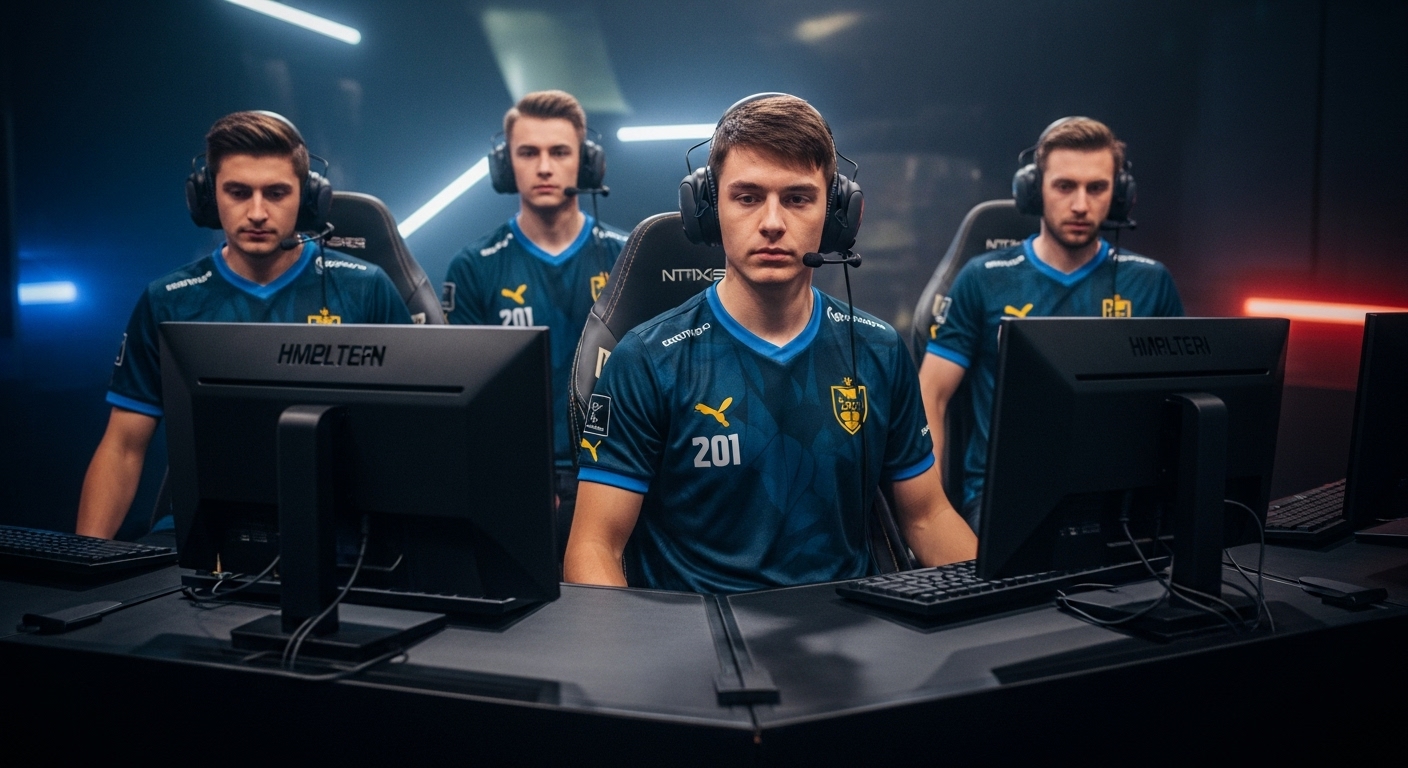
Just as traditional sports rely on clubs and franchises, esports developed its own network of professional organizations. Teams such as Team Liquid, Fnatic, Cloud9, and T1 became household names in the gaming world. These organizations recruit players, secure sponsorships, manage training schedules, and compete in multiple game titles.
Many esports teams now operate much like professional sports franchises, complete with coaches, analysts, nutritionists, and mental health professionals. The level of professionalism within esports organizations has elevated the industry’s credibility and appeal to mainstream audiences.
Sponsorships and Brand Involvement
With the rise of esports viewership came the attention of major global brands. Companies that once advertised exclusively in traditional sports began to recognize the marketing potential of esports. Technology companies, energy drink brands, apparel manufacturers, and even automobile companies became major sponsors of teams and tournaments.
This influx of corporate support brought more funding, media exposure, and legitimacy to the esports industry. Sponsorships also enabled tournament organizers to increase prize pools, attract top talent, and improve production quality—factors that have helped esports rival traditional sports broadcasts in terms of professionalism.
The Role of Esports Arenas and Live Events
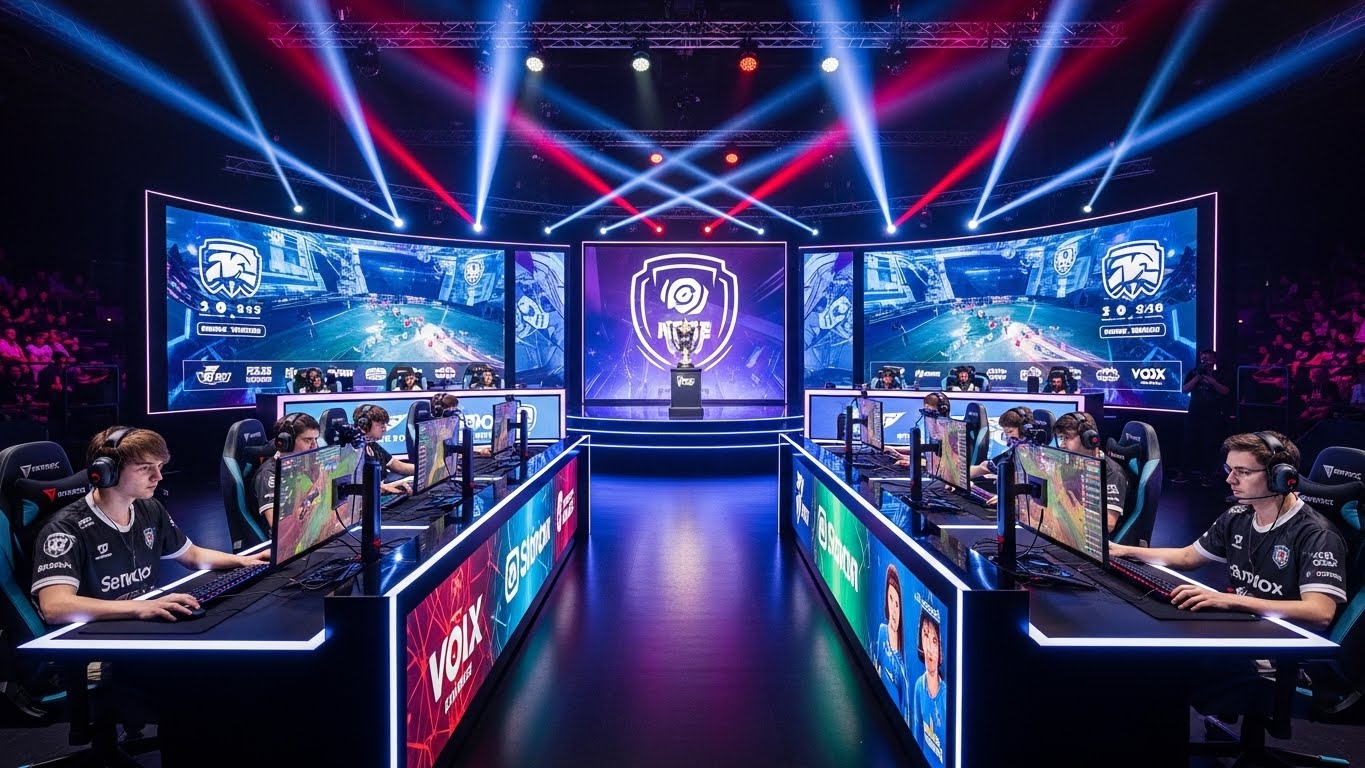
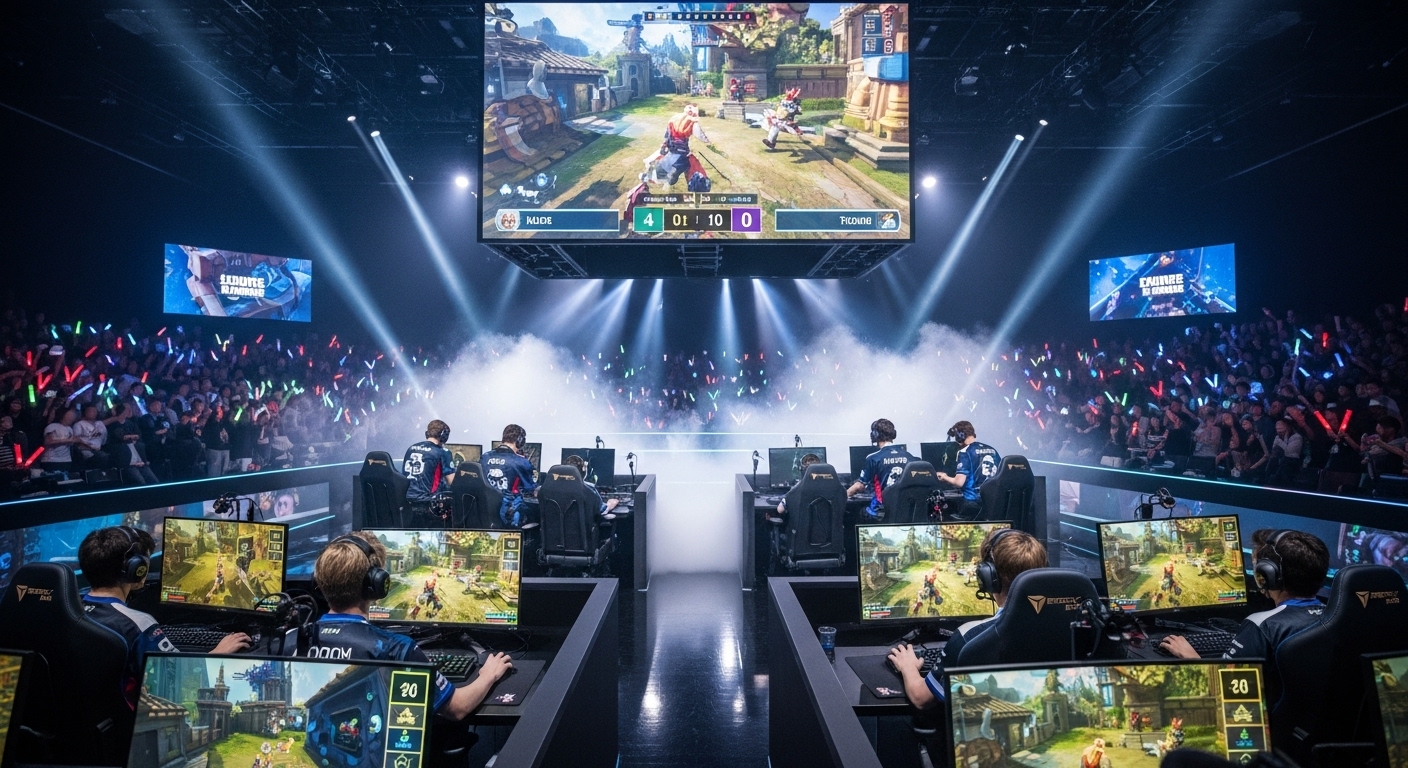
While esports is inherently digital, live events have become some of its most exciting and culturally significant aspects. Massive tournaments are now hosted in arenas and stadiums around the world, often selling out in minutes. Fans gather not only to watch their favorite players but also to celebrate the gaming culture that connects them.
Events such as The International, League of Legends World Championship, and Overwatch League Grand Finals are produced with cinematic flair, complete with opening ceremonies, live music, and elaborate stage designs. These spectacles have transformed esports events into entertainment extravaganzas comparable to major sports finals.
The Global Reach of Esports
Esports is truly a global phenomenon, transcending borders and languages. Asia, particularly South Korea and China, remains a powerhouse in competitive gaming, but North America and Europe have also established strong professional leagues and infrastructures. Emerging markets in regions like South America, the Middle East, and Africa are beginning to show increasing participation and investment in esports.
The universal appeal of video games has allowed esports to bridge cultural divides. Players from different continents can compete on the same stage, fans can interact in real time, and tournaments are broadcast in multiple languages to audiences around the world.
The Academic and Educational Side of Esports
In recent years, educational institutions have recognized the potential of esports as both a career path and a learning opportunity. Universities now offer scholarships for esports athletes and degrees in fields like game design, digital media, and esports management. This academic integration reflects the legitimacy of esports as a discipline that combines teamwork, strategy, communication, and technological literacy.
High schools have also begun forming esports teams and leagues, fostering early interest and talent development among students. The educational sector’s involvement ensures that esports will continue to grow sustainably while encouraging responsible gaming practices.
The Economics of Esports
The financial structure of esports is multifaceted, encompassing prize money, sponsorships, media rights, merchandise, and ticket sales. According to industry estimates, global esports revenue has surpassed the billion-dollar mark and continues to climb annually.
However, the economics of esports are not without challenges. While the top-tier teams and players earn significant income, many smaller organizations struggle to remain profitable. Sustainability and fair compensation remain key topics of discussion as the industry matures.
The Impact of Esports on Popular Culture
Esports has influenced popular culture in profound ways. The presence of esports references in movies, television, music, and fashion demonstrates its growing mainstream acceptance. Professional players and streamers have become celebrities, often with fan followings that rival those of traditional athletes.
Gaming terminology has entered everyday language, and esports fashion collaborations with major brands have brought gaming culture to the streets. Music artists perform at esports events, and mainstream media outlets now regularly cover major tournaments and player stories.
Esports and Traditional Sports: Rivals or Partners?
A common debate centers on whether esports should be considered a “real sport.” While esports may lack the physicality of traditional athletics, it requires intense mental agility, strategic thinking, and teamwork. Some traditional sports organizations have even embraced esports by launching their own gaming divisions, such as football clubs investing in FIFA and Rocket League teams.
Rather than being rivals, esports and traditional sports often complement each other. Both industries rely on fan engagement, competition, and storytelling. Esports offers sports organizations new opportunities to reach younger, tech-savvy audiences who consume content primarily online.
Challenges Facing Esports
Despite its success, esports faces several ongoing challenges. One of the most pressing issues is player burnout. The intense training schedules and competitive pressure can lead to physical and mental exhaustion. Additionally, the lack of standardized regulations across different games and regions poses governance difficulties.
Cheating, match-fixing, and performance-enhancing software have also plagued esports at times, calling for stricter oversight. Furthermore, maintaining a balance between inclusivity and competitiveness is essential as the industry seeks to promote diversity and equal opportunity.
The Future of Esports
The future of esports is filled with possibilities. Advances in technology, such as virtual reality, augmented reality, and cloud gaming, could revolutionize how games are played and experienced. Artificial intelligence and data analytics are already being used to improve player performance and audience engagement.
Esports could also become a medal event in future international sporting competitions, as discussions continue about its inclusion in events like the Olympics. With continued investment, innovation, and global interest, esports is poised to become one of the defining entertainment industries of the 21st century.
The Social and Psychological Aspects of Esports
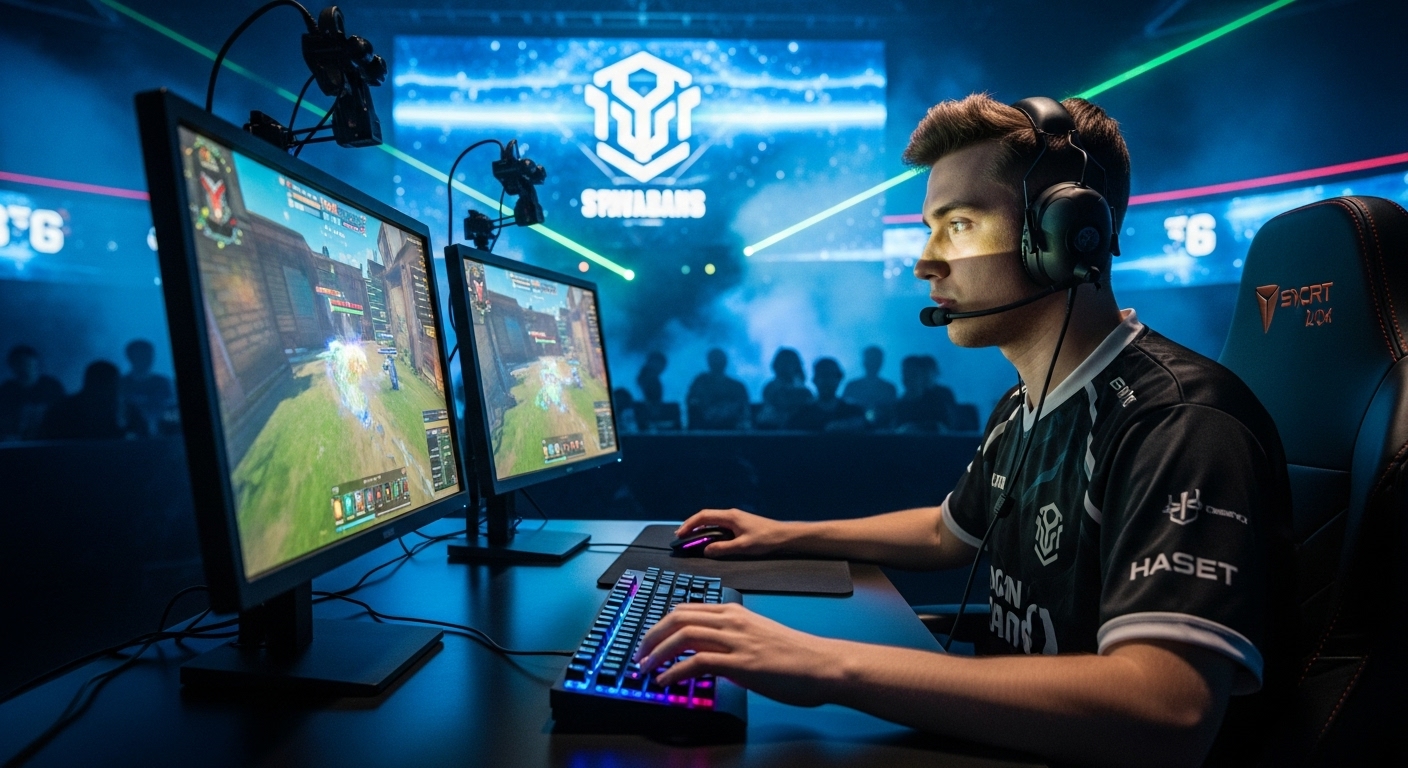
Beyond entertainment, esports provides a sense of belonging and community. Online gaming allows people to connect, collaborate, and compete across vast distances. Many players find self-confidence, discipline, and teamwork skills through gaming. However, balancing screen time and mental well-being remains crucial.
Professional esports organizations are increasingly aware of mental health issues and are implementing wellness programs to support their players. This holistic approach ensures longevity in careers that demand high levels of focus and endurance.
Conclusion
Esports has transcended its origins as a pastime to become a global cultural and economic powerhouse. It combines the thrill of competition, the power of technology, and the creativity of digital entertainment into an experience that captivates millions. What began in small arcades and college basements has grown into a vibrant, professional ecosystem that defines modern digital culture.
As esports continues to evolve, it stands as a testament to human innovation and the universal love of competition. It unites players and fans across continents, languages, and generations, proving that in the digital age, the spirit of sportsmanship can thrive in both the real and virtual worlds.