Esports has evolved from a small subculture to a global phenomenon. The rise of competitive gaming, once seen as a niche hobby, has now transcended into a massive industry that rivals traditional sports in terms of viewership, revenue, and cultural influence. Whether you’re a lifelong gamer or just starting to explore the world of esports, one thing is clear: this sector is on the rise, and it’s changing the way we think about sports, entertainment, and digital culture. In this blog post, we will delve into the world of esports, exploring its rapid growth, the major players, and the future of competitive gaming.
What is Esports? The Evolution of Competitive Gaming
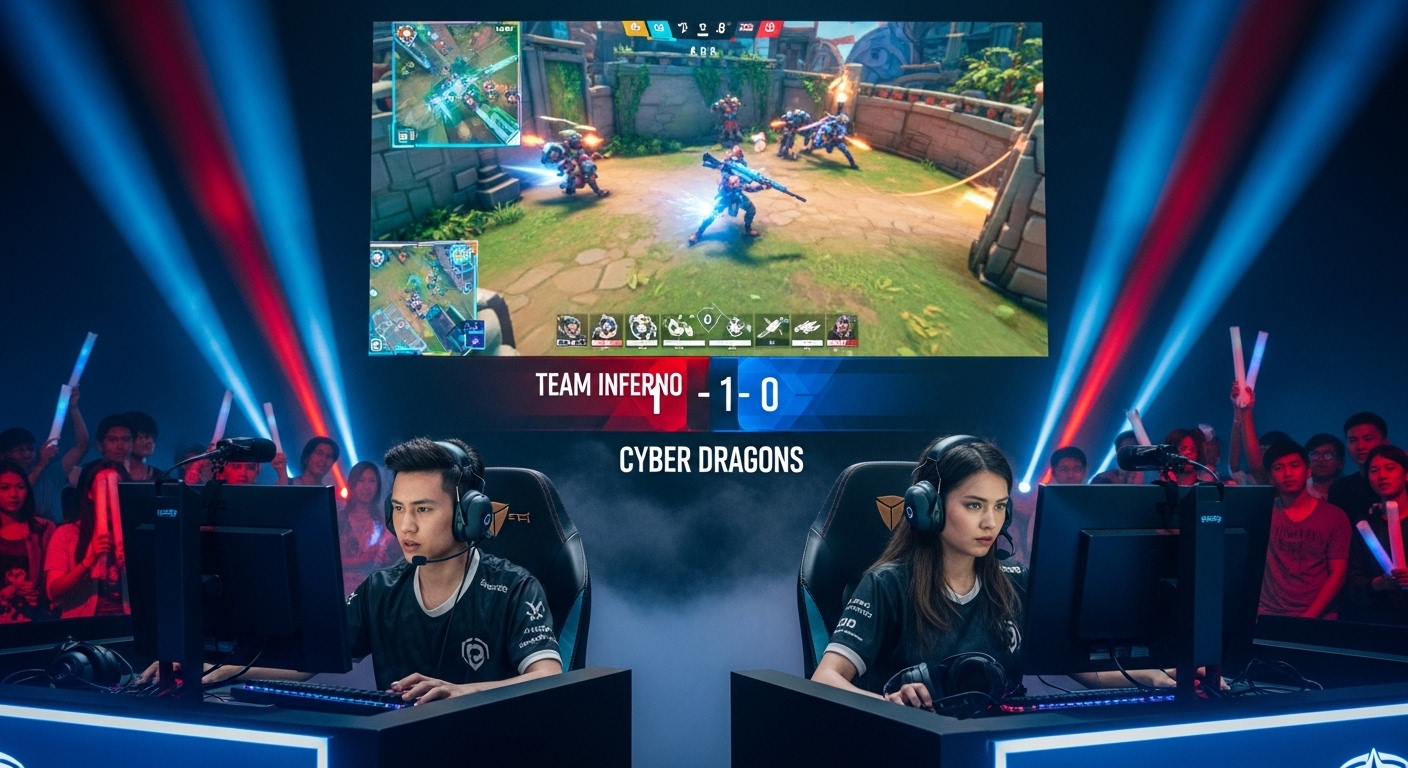
Esports refers to competitive video gaming where individuals or teams compete against each other in various multiplayer games. These competitions are organized in a professional setting and can take place online or in large arenas filled with live audiences. While gaming competitions have been around for decades, the term “esports” has gained prominence in recent years, largely due to the surge in the popularity of streaming platforms like Twitch and YouTube.
Esports competitions span a variety of genres, from first-person shooters (FPS) like “Counter-Strike: Global Offensive” to multiplayer online battle arena (MOBA) games like “League of Legends” and real-time strategy games like “StarCraft II.” The common thread is that these games are played at a high level of skill, often requiring years of practice and strategic thinking. Just like traditional sports, esports has become a career for many, with professional players, coaches, analysts, and broadcasters working together to create a thriving ecosystem.
The Explosive Growth of Esports
Over the past decade, esports has seen an incredible surge in popularity. What was once a niche hobby has now grown into a multi-billion-dollar industry, attracting millions of viewers and players globally. According to recent reports, the global esports market is expected to reach over $1.5 billion by 2023, with an audience of more than 500 million people. This meteoric rise has been driven by several key factors.
1. Accessibility and Global Reach:
One of the biggest reasons behind esports’ rapid growth is its accessibility. Online multiplayer games allow players from different parts of the world to connect and compete, breaking down geographical barriers. Streaming platforms like Twitch and YouTube Gaming have also allowed viewers to watch tournaments and live streams from anywhere, making esports a truly global experience.
2. Increased Investment and Sponsorship:
Esports has attracted significant investments from both tech companies and traditional industries. Major brands such as Coca-Cola, Intel, and Nike have entered the esports market through sponsorships, partnerships, and branded content. These sponsorships have not only fueled the growth of esports organizations but have also helped increase the professionalism and recognition of esports competitions.
3. The Rise of Streaming and Content Creation:
The emergence of live-streaming platforms like Twitch has revolutionized how people consume esports content. Viewers can now watch professional players compete in real-time, follow their favorite streamers, and even interact with them during live broadcasts. Streaming has turned many gamers into celebrities, with some individuals amassing millions of followers and making a living from their content creation.
The Key Players in the Esports Industry
As esports continues to grow, many key players—both organizations and individuals—have emerged to shape the future of the industry. These players are responsible for driving innovation, raising the stakes, and expanding the reach of esports worldwide.
1. Professional Esports Teams and Organizations:
Professional esports teams, such as Cloud9, Team Liquid, and Fnatic, have become household names in the gaming community. These teams consist of highly skilled players who specialize in specific games and compete in global tournaments for massive prize pools. In addition to players, esports organizations often have coaches, analysts, and managers who help optimize performance and guide teams through the competitive season.
Esports organizations have evolved into large, multinational entities with sponsorships, merchandise sales, and media rights deals, making them highly profitable ventures. The growth of these organizations has helped elevate esports to the level of traditional sports teams.
2. Tournament Organizers:
Major esports tournaments like “The International” (for Dota 2), “League of Legends World Championship,” and “CS:GO Major Championships” have become iconic events in the esports calendar. These tournaments are organized by game developers, independent organizers, and sometimes both. The scale of these tournaments has grown exponentially, with prize pools often reaching millions of dollars.
Tournament organizers are critical to the success of esports, as they create the competitive environment that attracts players and fans alike. Additionally, tournaments are often streamed live and broadcast on major platforms, making them accessible to audiences worldwide.
3. Streamers and Content Creators:
In the world of esports, streamers and content creators have become stars in their own right. Popular streamers like Ninja, Shroud, and Pokimane have amassed millions of followers on platforms like Twitch and YouTube, making them some of the most recognizable faces in the gaming industry. These individuals are not just gamers—they are entertainers, providing live commentary, tutorials, and personality-driven content that resonates with their audience.
Streamers also play an important role in promoting esports games and tournaments. Their influence can significantly impact the success of a game or event, as they often act as tastemakers for their fanbases.
Esports Tournaments and Prize Pools: The Competitive Arena
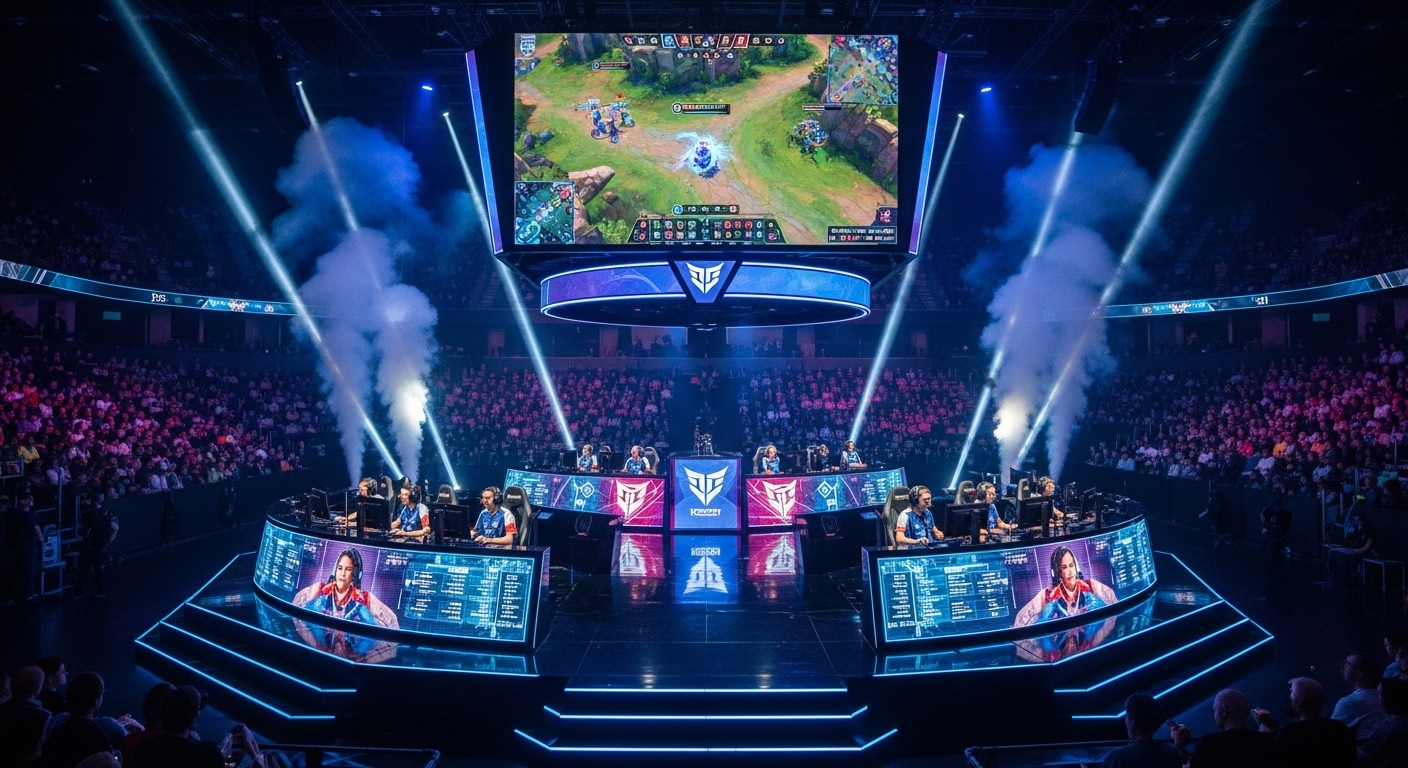
Esports tournaments are the pinnacle of competitive gaming, where players and teams battle for fame, glory, and massive prize money. These events are watched by millions of fans worldwide, either in person or through streaming platforms.
1. Major Tournaments:
Some of the most famous esports tournaments include “The International” (Dota 2), the “League of Legends World Championship,” and “CS: GO Major Championships.” These events attract the best players from around the world and offer multi-million-dollar prize pools. “The International” in particular is famous for having one of the largest prize pools in esports history, often surpassing $30 million.
2. Online Qualifiers and Regional Competitions:
In addition to the major global tournaments, there are also regional competitions and online qualifiers that provide players and teams with the chance to qualify for the biggest events. These tournaments help keep the competitive scene active year-round and offer aspiring players a pathway into the professional scene.
3. Spectator Engagement and Experience:
Esports tournaments are more than just competitions; they are events that engage the audience on multiple levels. From live broadcasts with expert commentary to behind-the-scenes content, esports tournaments are designed to create a rich experience for viewers. Fans can interact with the players, vote for their favorite teams, and watch the action unfold in real time through live streams. The atmosphere at live events is electric, with crowds cheering and professional casters providing dynamic play-by-play commentary.
The Future of Esports: What’s Next?
Esports has come a long way, but its journey is far from over. As the industry continues to mature, several trends and innovations are poised to shape the future of competitive gaming.
1. Integration with Traditional Sports:
Esports has already begun to make its way into traditional sports environments. Major sports leagues such as the NBA and NFL have invested in esports teams, and some even hold esports tournaments within their organizations. The convergence of esports and traditional sports is a natural progression, as both appeal to similar demographics and offer competitive excitement.
2. The Rise of Mobile Esports:
Mobile gaming is another area that is expected to drive growth in esports. Games like “PUBG Mobile” and “Mobile Legends” have already gained significant popularity in competitive gaming, particularly in Asia. As mobile devices continue to improve in performance, mobile esports tournaments are likely to become a major part of the esports landscape.
3. Virtual Reality (VR) and Augmented Reality (AR):
The integration of virtual reality (VR) and augmented reality (AR) technologies into esports is an exciting frontier. VR could allow players to experience immersive, 360-degree competition environments, while AR could bring esports broadcasts to life by overlaying statistics, player information, and other interactive elements on the screen. These innovations could transform the way esports is played and watched, creating a more immersive experience for both players and fans.
Conclusion: Esports as the Future of Entertainment
Esports has proven that it is not just a passing trend but a sustainable and rapidly growing industry with immense potential. From professional leagues to massive tournaments and global fanbases, esports is poised to continue its ascent, attracting new audiences and pushing the boundaries of competitive gaming. As technology evolves and more traditional sports organizations recognize its value, esports will only become more ingrained in our cultural fabric.
For those already immersed in the world of esports, the future is incredibly exciting, offering new ways to play, watch, and engage. And for those just discovering this dynamic world, there has never been a better time to jump in and be part of the next wave of competitive gaming. The esports revolution is just beginning, and it’s one we can all look forward to being part of.