Introduction
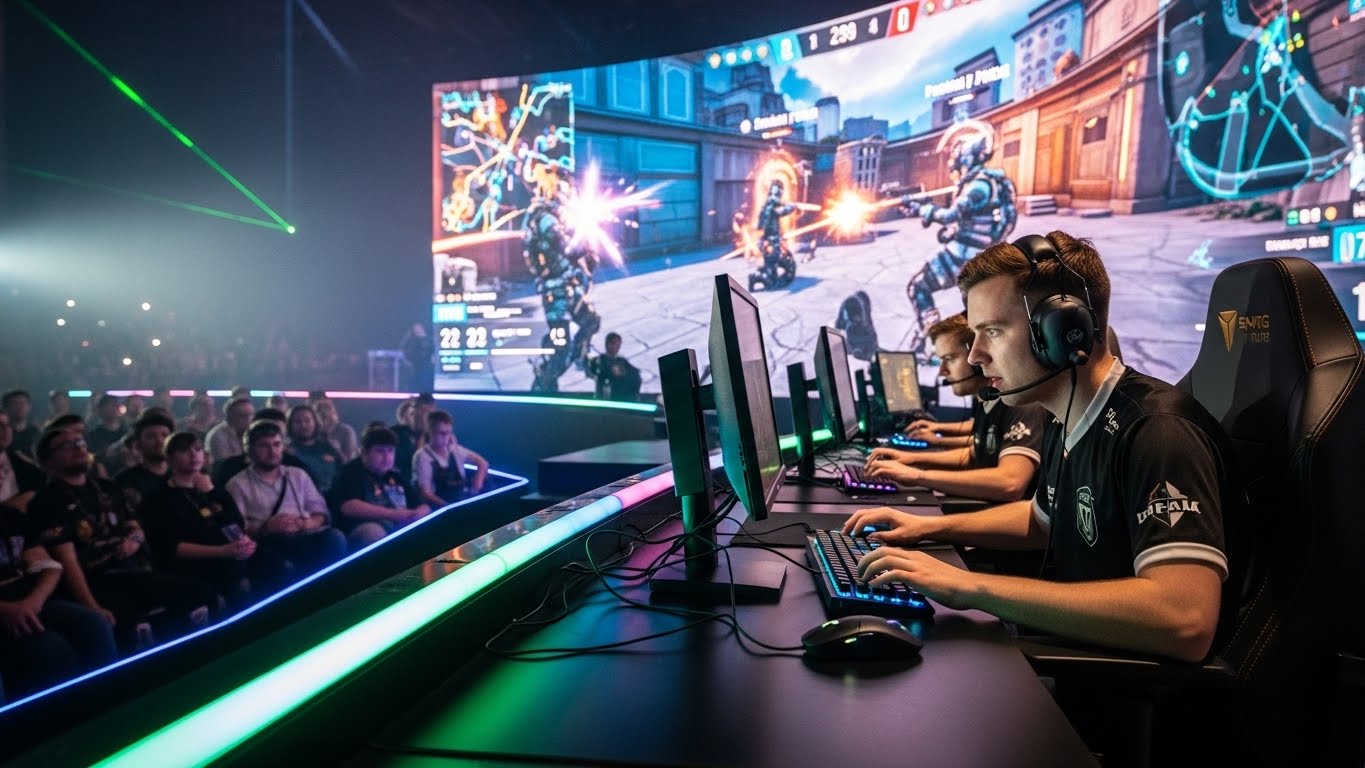
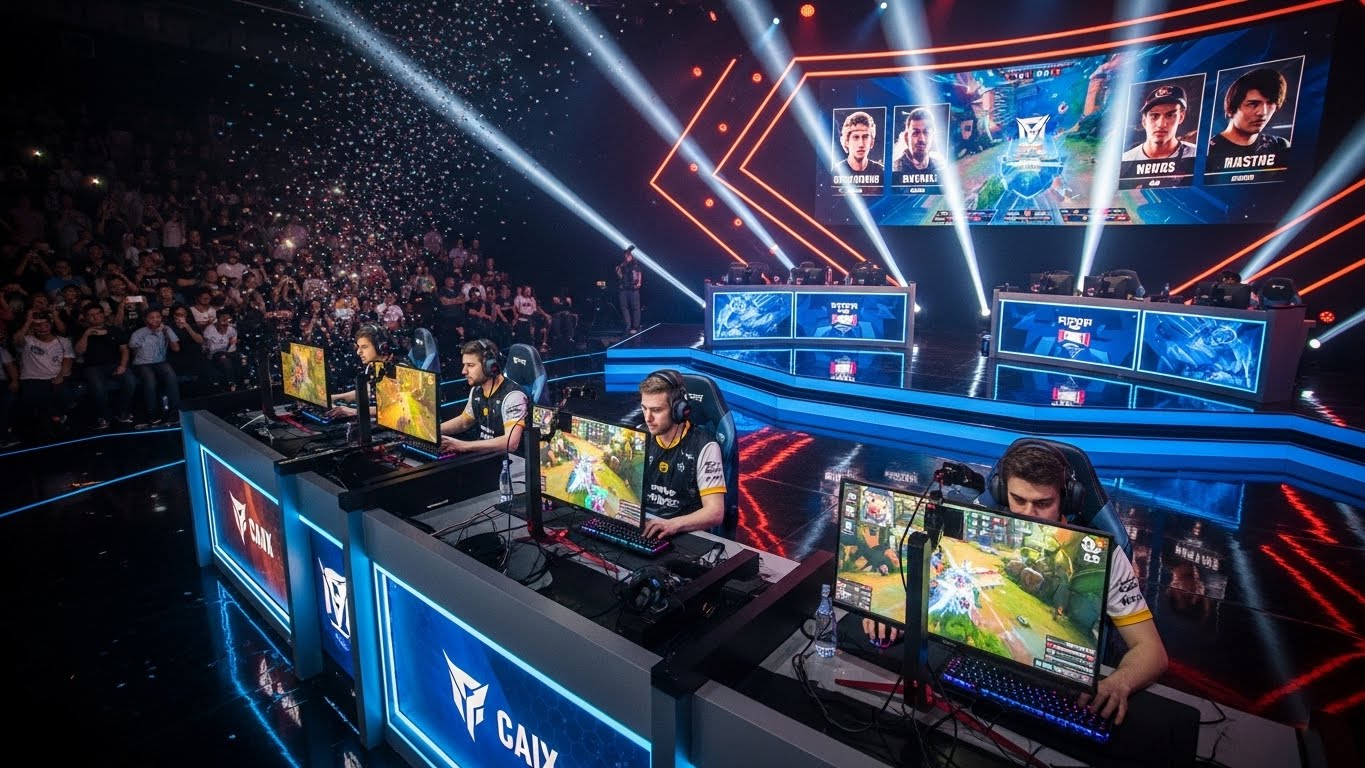
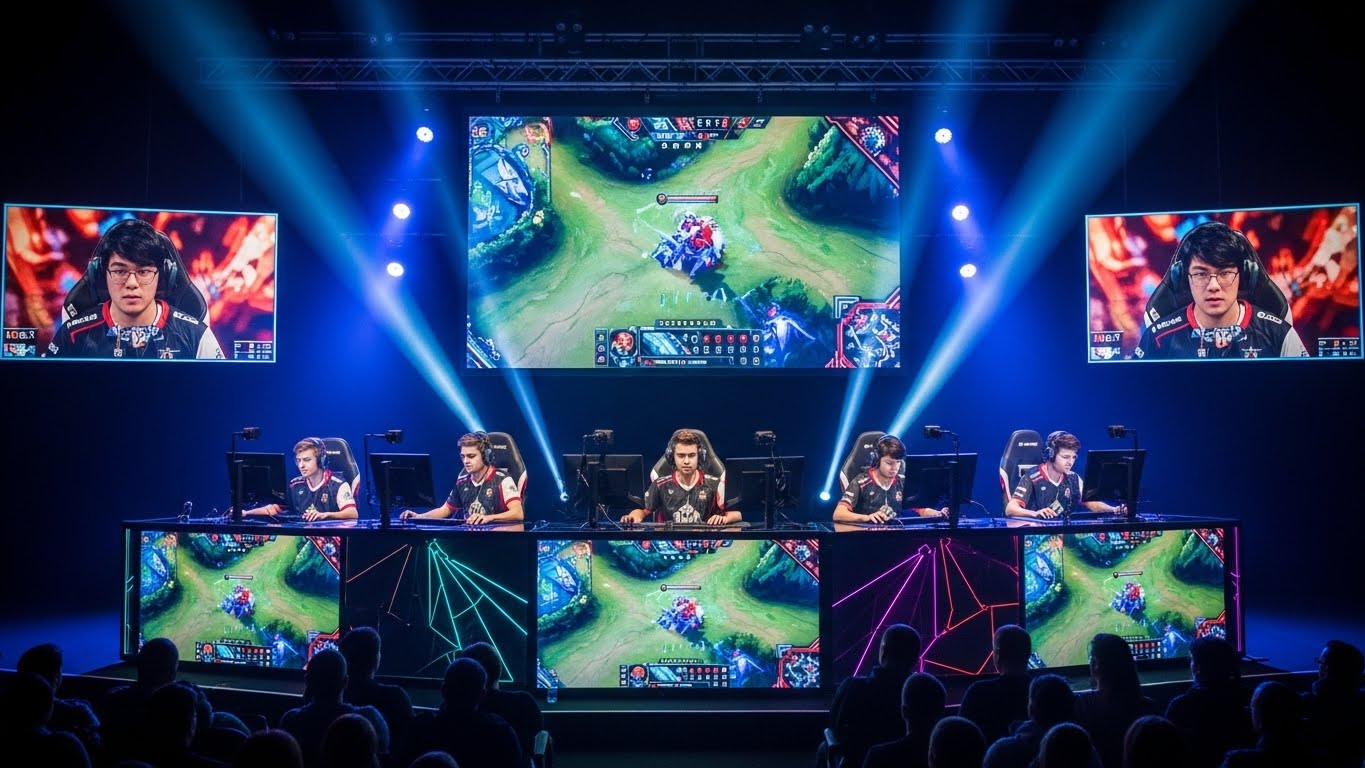
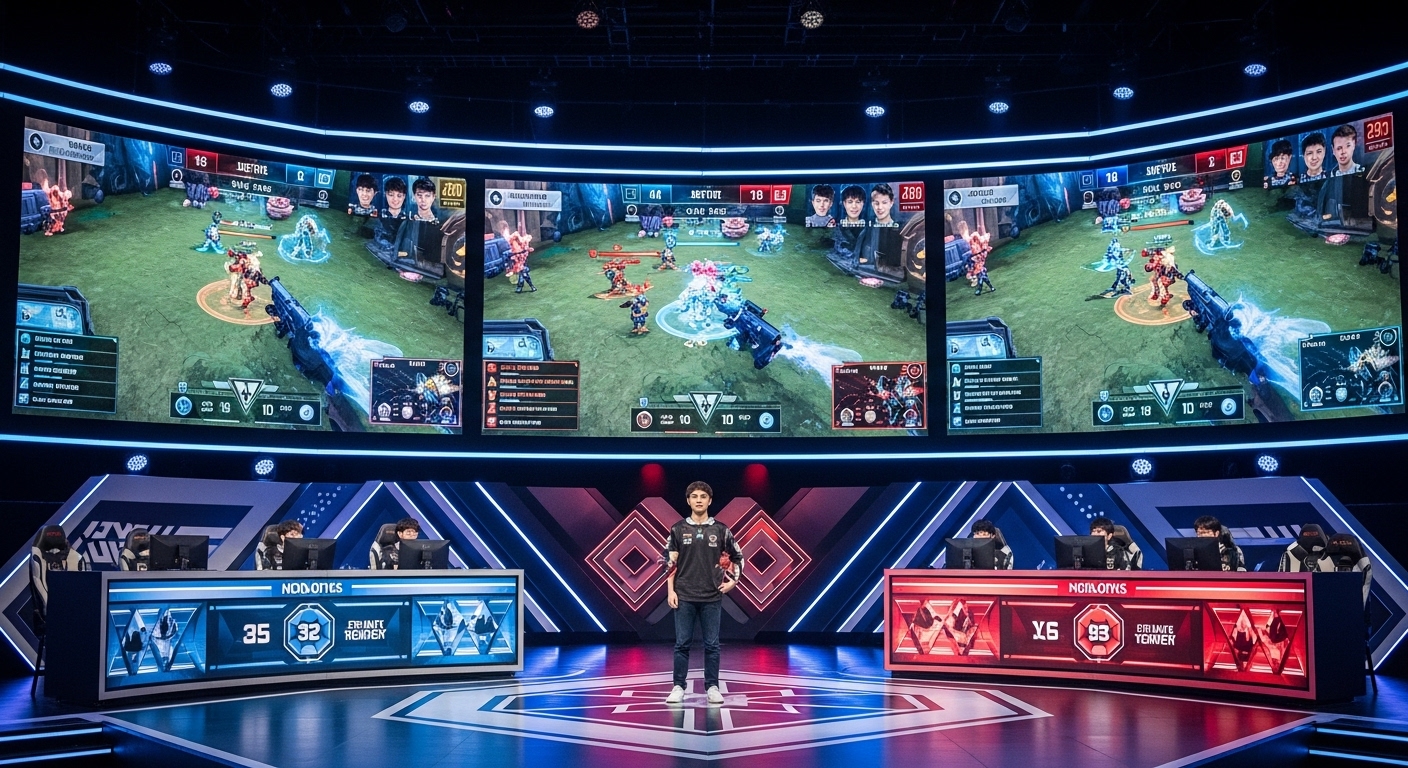
Esports, short for electronic sports, has grown from a small hobby into a worldwide phenomenon. Once limited to living rooms and small gaming competitions, it now boasts professional teams, international tournaments, and millions of passionate fans. This digital revolution is redefining how people view competition, entertainment, and technology in the 21st century.
The Origins of Esports
Competitive gaming started in the late 20th century with arcade tournaments and early computer games. Titles like Pac-Man, Street Fighter, and StarCraft laid the foundation for organized competitions. As internet connectivity improved, online multiplayer games allowed players to compete globally, giving rise to esports communities and international leagues.
Professionalization of Esports
Today, esports is a viable career option. Professional players train for hours each day, competing in tournaments with significant prize pools. Beyond players, opportunities exist for coaches, analysts, content creators, and event managers. Esports scholarships and dedicated university programs highlight the industry’s growing recognition as a legitimate profession.
Impact on Youth and Society
Esports has influenced global youth culture profoundly. Gaming communities foster friendships, teamwork, and problem-solving skills. Watching esports tournaments has become a form of entertainment, rivaling traditional sports. Players are celebrated as icons, inspiring millions and shaping how younger generations perceive skill, competition, and digital engagement.
Challenges Facing the Industry
Despite its growth, esports faces challenges. Player burnout and mental health concerns are significant due to long practice hours and high competition stress. Cheating, unequal access to resources, and inconsistent regulation threaten fairness and inclusivity. Addressing these issues is essential for sustaining the industry’s growth responsibly.
The Future of Esports
The future of esports is bright and full of potential. Technologies like virtual reality and augmented reality promise to create immersive competitive experiences. As esports integrates further with mainstream entertainment, it will continue to influence culture, technology, and the global economy, solidifying its role as a major force in modern society.
Conclusion
Esports has transformed from a niche pastime into a global industry that combines competition, entertainment, and technology. Its rise demonstrates the power of digital platforms to connect people, create careers, and redefine competition. As esports continues to evolve, it will shape how we play, watch, and interact, proving that the digital arena is now a stage for extraordinary talent and innovation.