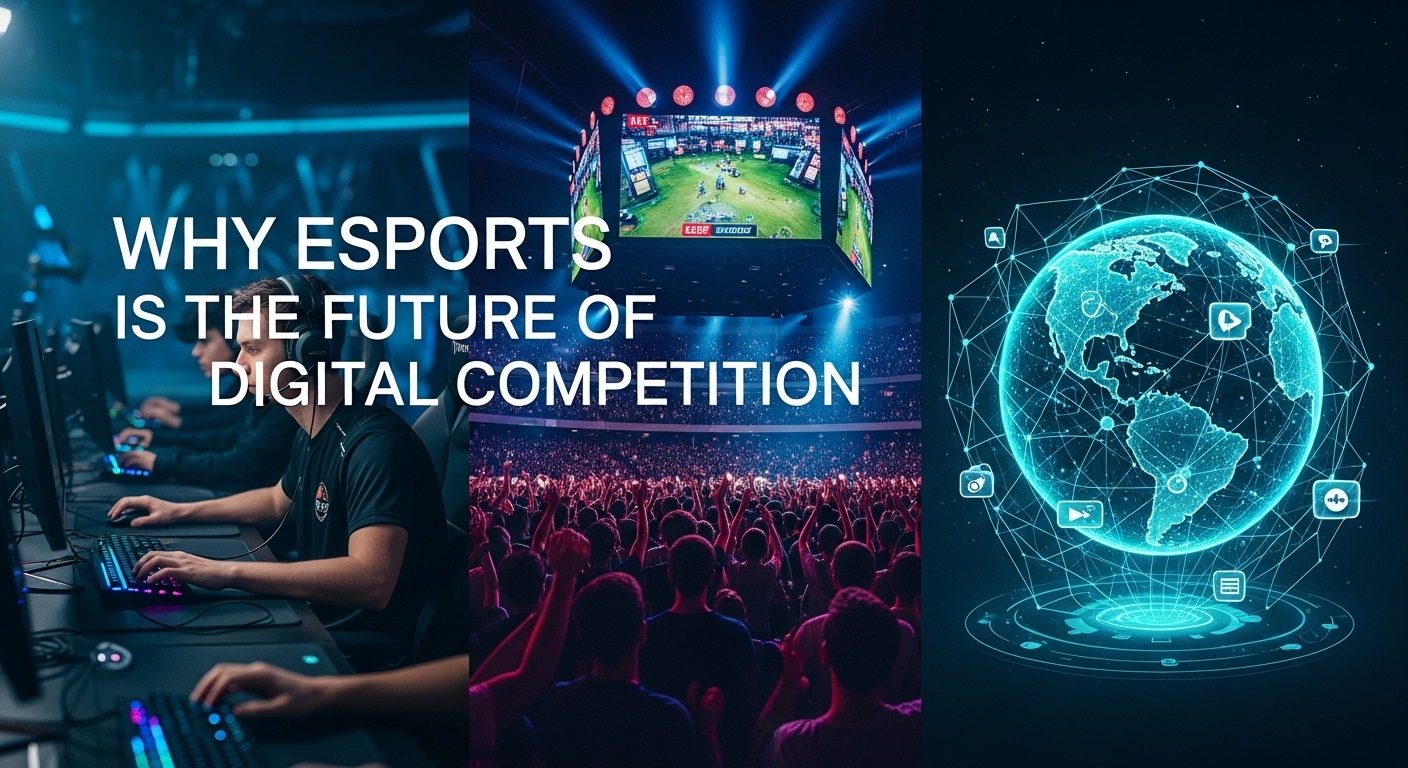
Esports has transformed from a casual pastime into a global industry that captivates millions of players and viewers worldwide. What began as small-scale competitions among friends and local arcade tournaments has evolved into a professional ecosystem with athletes, coaches, analysts, and entire organizations dedicated to competitive gaming. Beyond entertainment, esports is reshaping culture, education, and career opportunities, highlighting the intersection of technology, skill, and creativity. This blog explores the rise of esports, its impact on society, the professional infrastructure supporting it, and the future of this dynamic industry.
The Origins of Esports
Esports has roots dating back to the late 1970s and early 1980s, when video games first became widely popular. Early tournaments were modest affairs, often held in arcades or college campuses. One of the first major competitive events was the 1980 Space Invaders Championship, which drew thousands of participants across the United States. These early competitions laid the foundation for the concept of organized gaming competitions.
The 1990s marked a significant shift with the advent of networked multiplayer games. Titles like Doom, Quake, and StarCraft allowed players to compete online, honing strategic skills and fostering rivalries. South Korea emerged as a central hub for competitive gaming during this period, particularly with StarCraft tournaments that attracted large audiences both in-person and on television. By the early 2000s, esports had begun its professionalization, with structured leagues, sponsorships, and international competitions becoming increasingly common.
Understanding Modern Esports
Today, esports encompasses a wide variety of game genres. First-person shooters require precise reflexes and teamwork. Multiplayer online battle arenas focus on strategy, coordination, and adaptability. Fighting games emphasize timing and individual skill, while sports simulation games recreate real-world sports in a competitive digital environment. This diversity allows esports to appeal to a broad audience and provides opportunities for players with different strengths and interests.
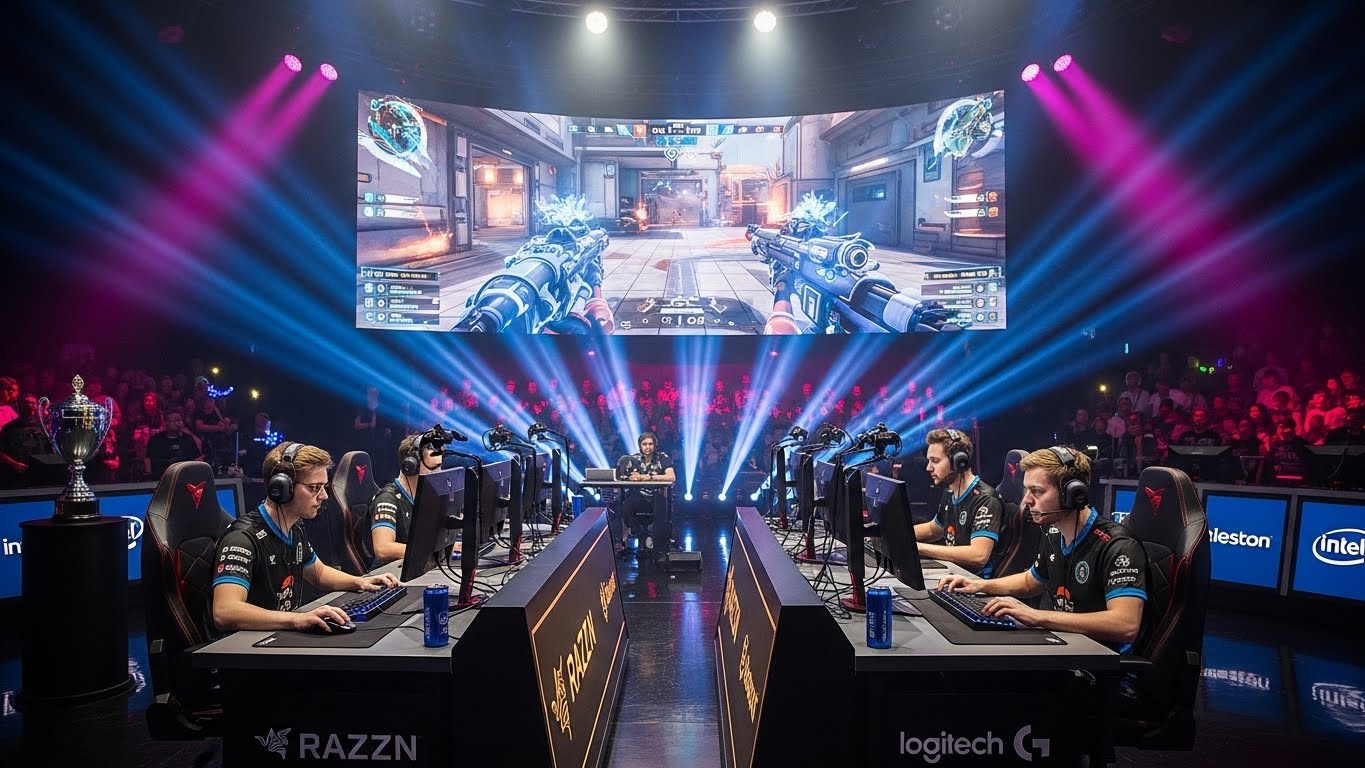
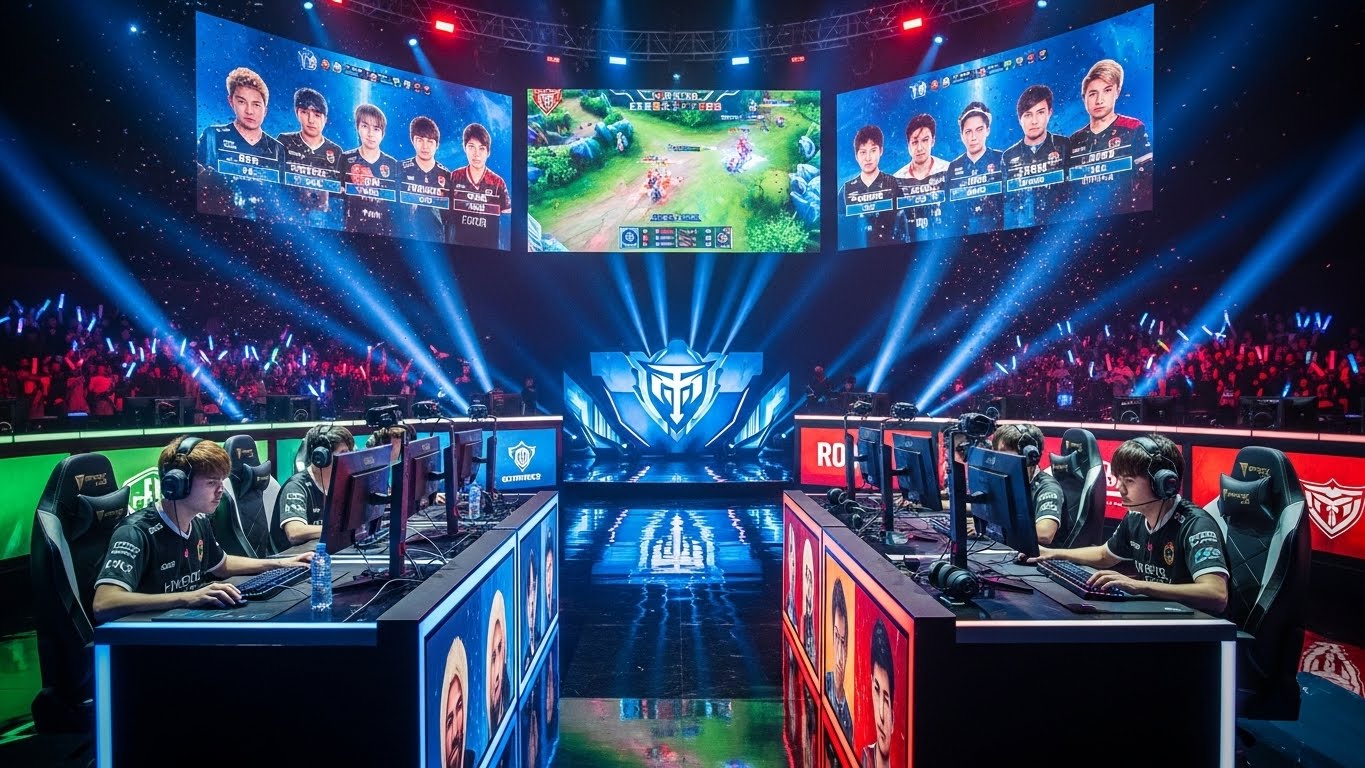
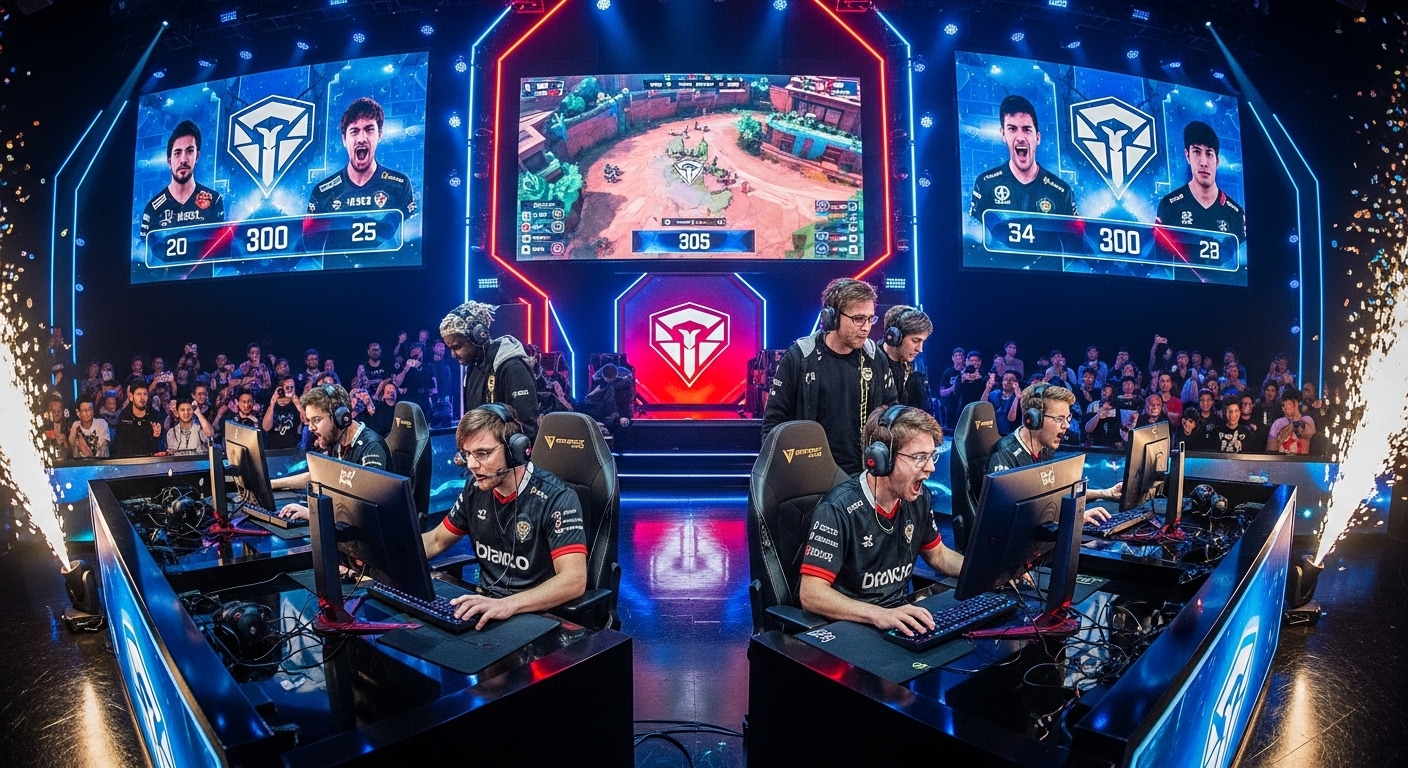
Esports is not just about competition; it is an immersive entertainment experience. Professional matches are broadcast to millions, complete with commentary, analysis, and storytelling that enhances the excitement. Fans are deeply engaged, following players and teams, discussing strategies, and celebrating achievements in ways similar to traditional sports fandom.
Professional Esports Careers
Competitive gaming has evolved into a legitimate career path. Professional players dedicate hours each day to practice, studying mechanics, strategies, and teamwork. Like athletes in traditional sports, they maintain physical and mental fitness to perform at their peak.
The esports ecosystem extends beyond players. Coaches, analysts, referees, commentators, and event organizers all contribute to the industry, creating diverse career opportunities. Many esports organizations operate like professional sports franchises, with management teams, branding strategies, and sponsorship deals. These structures support players and ensure that the competitive environment remains sustainable and professional.
The Global Esports Industry
Esports has become a multi-billion-dollar industry with massive viewership and revenue streams. Major tournaments, including The International for Dota 2, the League of Legends World Championship, and the Fortnite World Cup, attract millions of viewers both online and in live venues. Sponsorships, merchandising, advertising, and ticket sales all contribute to the economic scale of esports.
Streaming platforms have revolutionized accessibility, enabling fans worldwide to watch live events and engage directly with players. Social media amplifies fan engagement, creating communities around games, players, and teams. This global reach ensures that talent from any region can gain recognition and success, democratizing access to competitive gaming.
The Role of Teams and Organizations
Teams and organizations are central to esports. They recruit talented players, provide training facilities, and manage all aspects of their professional careers. Teams invest in physical health, mental well-being, communication skills, and strategy development, recognizing that competitive gaming requires a holistic approach.
Esports organizations also focus on branding, marketing, and fan engagement. Players become ambassadors for their teams, promoting sponsors and connecting with audiences through social media and live streams. Professionalization of teams and infrastructure has elevated esports, increasing its credibility and global appeal.
Popular Esports Titles
Different esports titles bring unique challenges and attract specific fan bases.
First-person shooters like Counter-Strike: Global Offensive, Valorant, and Call of Duty require precision, coordination, and split-second decision-making. Multiplayer online battle arenas, such as League of Legends and Dota 2, emphasize strategy, teamwork, and adaptability. Fighting games like Street Fighter and Tekken highlight skill, reflexes, and one-on-one competition. Sports simulations, including FIFA and NBA 2K, attract fans of real-world sports and provide a familiar yet competitive experience in the digital realm.
These games foster strong communities that discuss strategies, share content, and celebrate victories. The interaction between players and fans strengthens loyalty and adds depth to the esports culture.
Esports as Entertainment
Esports is a form of entertainment that combines competition, performance, and storytelling. Tournaments are presented with live commentary, player interviews, and expert analysis, creating an engaging experience even for casual viewers. High-stakes matches deliver excitement comparable to championship games in traditional sports.
Streaming platforms have further enhanced esports as entertainment. Players share live gameplay, tutorials, and behind-the-scenes content, while fans interact directly through chat, creating a two-way entertainment experience. Influential esports personalities attract audiences through gameplay and social interaction, making the industry a unique blend of sport, performance, and digital media.
Esports in Education
Esports has increasingly been integrated into educational settings. Many schools and universities now offer esports programs, providing students with opportunities to compete while developing academic and life skills. Scholarships for esports players have become common, allowing talented individuals to balance education and competitive gaming.
Academic programs focusing on esports management, game design, and digital media prepare students for careers in the industry. These programs teach event management, marketing, teamwork, and strategic thinking, equipping students with skills that extend beyond esports. Educational initiatives highlight that gaming can be both enjoyable and intellectually enriching.
Health and Well-Being in Esports
While esports provides professional opportunities, it also presents health challenges. Long hours of practice, high-pressure competition, and sedentary lifestyles can lead to physical strain, fatigue, and stress.
Professional teams now emphasize player well-being, incorporating physical exercise, mental health support, and balanced nutrition. Mindfulness, stress management, and team-building exercises are common practices to maintain performance and prevent burnout. By addressing these challenges, esports demonstrates that competitive gaming can be a sustainable career with proper care and balance.
The Future of Esports
The future of esports is full of potential. Emerging technologies such as virtual reality, augmented reality, and artificial intelligence will create new gameplay experiences and enhance viewer engagement. Cloud gaming promises to make high-quality esports more accessible, removing hardware barriers and enabling a larger player base.
Esports is increasingly recognized as a legitimate sport and cultural phenomenon. Governments, educational institutions, and global organizations are supporting esports initiatives, creating a framework for growth and sustainability. With continued innovation and professionalization, esports is poised to remain a significant force in entertainment and sports.
Conclusion: Esports as a Cultural and Global Force
Esports has grown from local arcade competitions into a global industry that blends skill, strategy, community, and entertainment. It provides professional opportunities, fosters social interaction, and inspires creative expression. Competitive gaming is now a respected cultural phenomenon, shaping how people play, watch, and connect in digital spaces.
The rise of esports demonstrates the transformative power of technology and human creativity. It bridges cultures, empowers talent from diverse backgrounds, and offers a platform for skill, strategy, and passion to thrive. Esports is more than a game—it is a dynamic arena where competition, entertainment, and innovation converge, leaving a lasting impact on global culture.