Introduction: A New Era in Entertainment
Esports, once an underground phenomenon, has skyrocketed into the mainstream, captivating millions of viewers around the world. With competitive video gaming now drawing massive audiences, attracting high-profile sponsors, and producing multi-million-dollar prize pools, esports has evolved from a niche hobby into a global cultural and economic powerhouse. What began as a casual activity among friends in basements and internet cafes has transformed into a serious industry that rivals traditional sports in terms of viewership, sponsorship, and player earnings. As technology continues to advance, the future of esports looks even more promising. This blog post will explore the rise of esports, its impact on the entertainment industry, and what makes this new form of competition so exciting.
The Birth of Esports: From Arcades to the Internet
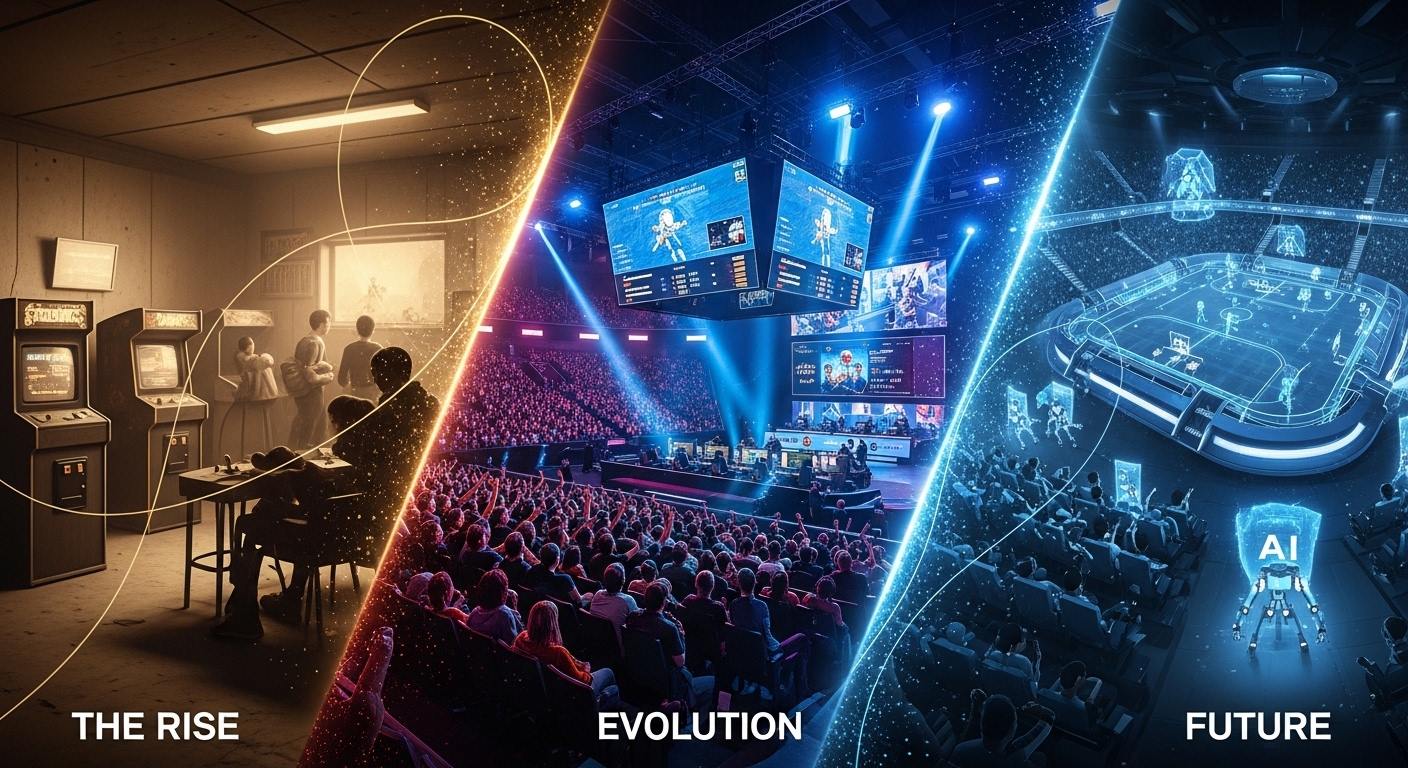
The concept of competitive gaming can be traced back to the early days of video games in the 1970s. While the first esports competitions were humble, they laid the foundation for the massive esports tournaments we see today. One of the first documented competitive video game events took place in 1980 with the Space Invaders Championship, where players competed for a $1,000 grand prize. In the early 90s, games like Street Fighter and Mortal Kombat began to feature competitive gameplay in arcades. But it wasn’t until the advent of online gaming and high-speed internet connections in the late 1990s that esports began to take off on a larger scale.
Multiplayer games like Quake and StarCraft became popular among players who wanted to compete against each other online. This shift allowed gamers to play against opponents across the globe, paving the way for early online tournaments. While these tournaments were smaller in scope, they drew significant interest, especially in South Korea, where games like StarCraft became national obsessions. The success of these games and tournaments laid the groundwork for the esports industry as we know it today.
Esports Takes Flight: Streaming and the Rise of Online Communities
In the 2000s, the growth of streaming platforms like Twitch, YouTube, and Facebook revolutionized the esports scene. These platforms allowed fans to watch their favorite games and players live, transforming esports from a localized activity to a global spectacle. Twitch, which launched in 2011, quickly became the go-to platform for gamers to stream their gameplay and interact with fans. This shift to online streaming made esports more accessible, allowing anyone with an internet connection to watch live tournaments or casual gameplay streams.
Streaming platforms provided a new way for fans to engage with the esports world. Viewers could now follow professional players, join online communities, and participate in real-time discussions. This interactivity helped foster a sense of belonging among esports fans, making them feel like an integral part of the experience. As streaming grew in popularity, esports events began attracting millions of viewers, with major tournaments like The International for Dota 2 and the League of Legends World Championship drawing global audiences.
The rise of streaming also contributed to the growth of esports influencers. Top gamers and streamers built massive followings by showcasing their skills, engaging with fans, and creating entertaining content. Influencers like Ninja, Shroud, and PewDiePie helped bring esports to a broader audience, with millions tuning in to watch their streams or videos. As esports grew, so did its cultural impact, with gamers gaining celebrity status and esports becoming a viable career for those with enough skill and passion.
The Financial Boom: Sponsorships, Prize Money, and Media Rights
Esports is now a multi-billion-dollar industry, with various revenue streams contributing to its growth. One of the primary sources of income for esports comes from sponsorships. Major global brands in industries like technology, energy drinks, and sportswear have all invested heavily in the esports sector. Companies such as Intel, Red Bull, Coca-Cola, and Adidas sponsor esports teams and tournaments, providing financial backing and gaining access to the highly engaged, tech-savvy esports audience. These sponsorships have been instrumental in expanding the reach of esports and providing financial support to both teams and tournament organizers.
Prize money has also played a significant role in the success of esports. Top-tier tournaments now feature prize pools that rival those of traditional sports. For example, The International 2018, the Dota 2 world championship, boasted a prize pool of over $25 million, primarily funded through contributions from the Dota 2 community. Other popular tournaments like the League of Legends World Championship and CS:GO Majors also feature impressive prize pools, with millions of dollars up for grabs. These huge prize pools have attracted professional gamers from all over the world, eager to test their skills in high-stakes competitions.
In addition to sponsorships and prize money, media rights have become a major revenue stream for esports. Just as traditional sports leagues sell broadcasting rights to television networks, esports organizations sell the rights to stream their tournaments. Streaming platforms like Twitch, YouTube Gaming, and Facebook Gaming are now integral parts of the esports ecosystem, with these platforms paying for exclusive broadcasting rights to high-profile events. These media deals generate significant revenue for tournament organizers, helping to fund future competitions and attract more viewers.
The Professionalization of Esports: Players, Teams, and Careers
Esports has grown into a fully professionalized industry, with players, coaches, analysts, and managers all contributing to the success of competitive gaming. Professional esports players are no longer hobbyists or amateurs; they are highly trained athletes who dedicate hours each day to practice, strategy, and team coordination. Just like traditional sports, esports players must focus on improving their skills, studying opponents, and maintaining peak performance during high-stress tournaments.
Professional teams and organizations have become the backbone of the esports industry. Esports organizations like Team Liquid, Cloud9, FaZe Clan, and T1 operate much like traditional sports teams, with full rosters of players, coaches, analysts, and support staff. These organizations recruit top-tier talent, provide training and coaching, and organize travel for players to attend international tournaments. The teams also benefit from sponsorships, merchandise sales, and media rights, all of which contribute to their revenue streams.
In addition to the professional players, esports now features a wide range of career opportunities. Managers, event organizers, analysts, commentators, and marketers all play a crucial role in the esports ecosystem. As the industry grows, so does the demand for professionals who can help run tournaments, broadcast events, and manage the logistics of competitive gaming. The rise of esports as a legitimate career option has led to the creation of esports management programs at universities and colleges, giving students the opportunity to gain expertise in this rapidly growing field.
The Spectator Experience: Why People Love Watching Esports
One of the most exciting aspects of esports is its ability to engage fans as spectators. Unlike traditional sports, where fans watch from the sidelines or the stands, esports allows viewers to immerse themselves in the action from their computers or mobile devices. Streaming platforms like Twitch and YouTube provide real-time access to gameplay, commentary, and analysis, making esports an interactive and engaging experience. Fans can watch live tournaments, follow their favorite players, and participate in chats and discussions with other viewers.
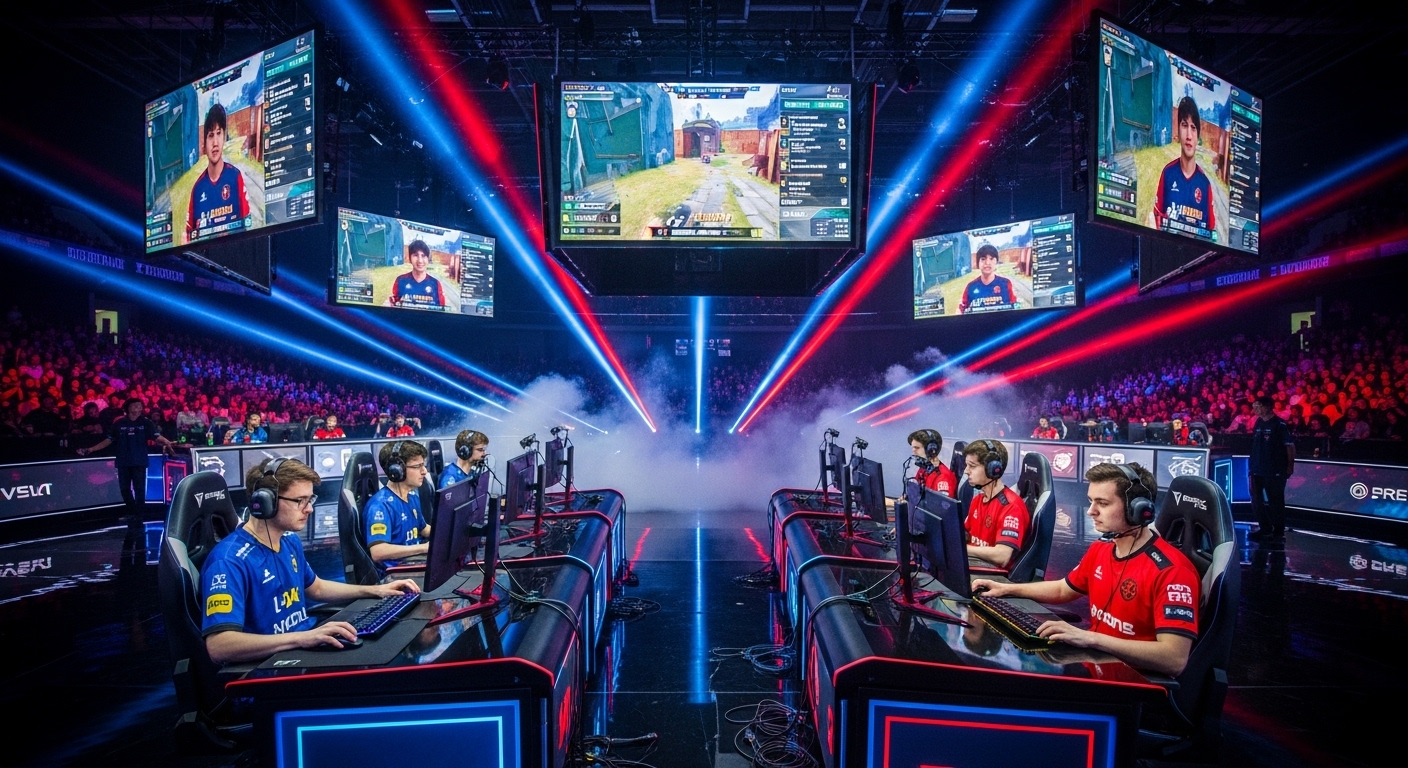
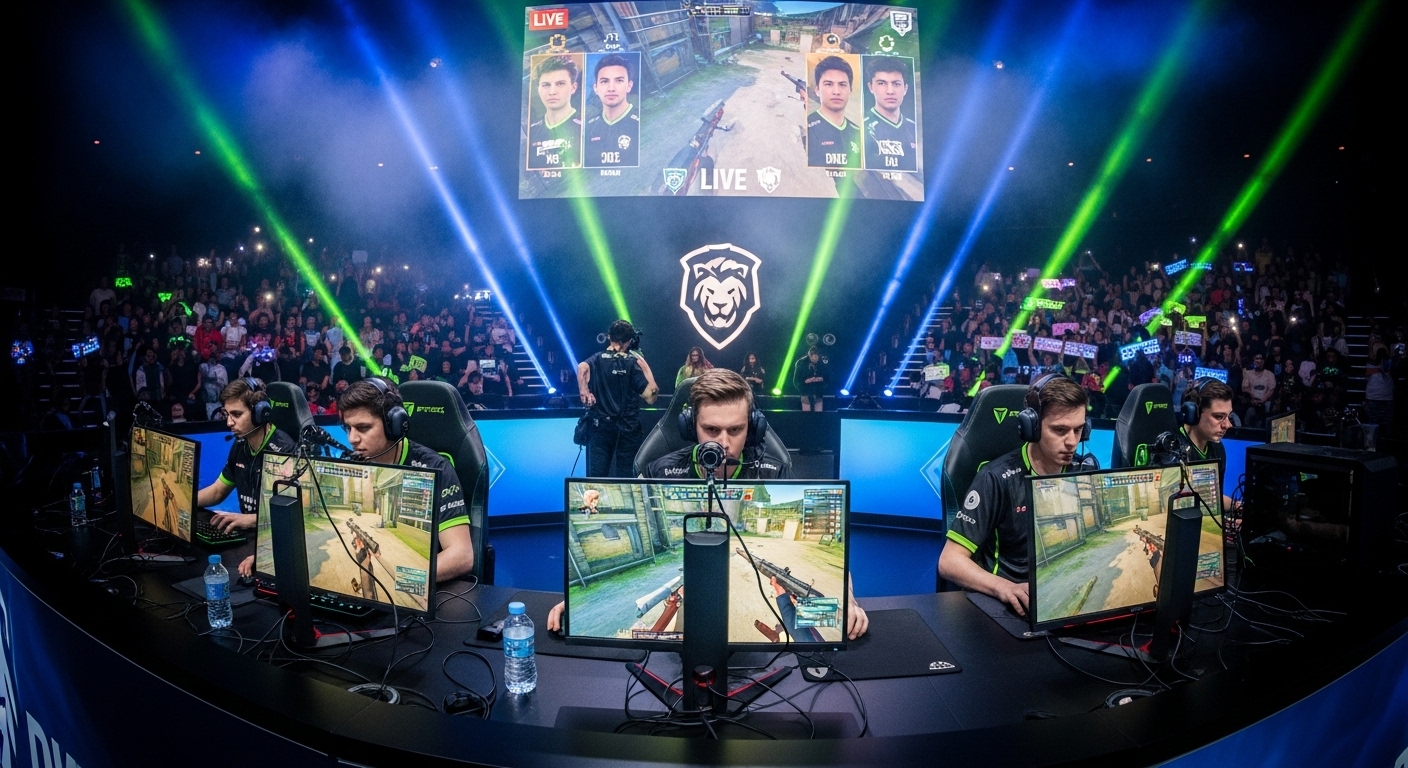
The high level of competition and the thrill of close matches have made esports an adrenaline-fueled spectator experience. Esports tournaments are often held in large arenas, where thousands of fans gather to watch their favorite teams compete. These events are broadcasted live to millions of viewers, making them global spectacles. Just like traditional sports events, esports tournaments feature elaborate stage setups, high-quality production values, and exciting live commentary. The sense of excitement and camaraderie among fans creates an electric atmosphere that draws viewers in and keeps them coming back for more.
Another factor that makes esports appealing to fans is its accessibility. Fans don’t need to attend live events to experience the excitement; they can simply tune into streams online. With the growth of mobile gaming and the availability of affordable internet access, esports has become a global phenomenon, with fans from all corners of the world participating in the experience. The ability to watch esports from anywhere has made it one of the most accessible forms of entertainment today.
The Social Impact of Esports: Building Communities and Fostering Connections
Esports has created a unique platform for social interaction, bringing people together from different cultures and backgrounds. The global nature of competitive gaming means that players and fans can connect with others from around the world. Online gaming communities form around shared interests, where fans bond over their favorite games, players, and teams. Esports has helped foster a sense of community, offering a place for gamers to interact, share experiences, and support one another.
Many esports tournaments and teams also engage in charity work, using their platforms to raise awareness for various causes. This has helped reshape the perception of gaming, showing that esports can have a positive social impact beyond just entertainment. Esports has become a platform for positive socialization, where players and fans build relationships that extend beyond the virtual world.
Additionally, esports has helped break down barriers related to age, gender, and location. While gaming was once seen as a predominantly male activity, esports has seen increasing participation from women and individuals from diverse backgrounds. The rise of female esports players, teams, and influencers has played an important role in making gaming more inclusive and accessible.
The Future of Esports: Innovation and Expansion
As esports continues to grow, the future holds exciting opportunities for innovation and expansion. The integration of virtual reality (VR) and augmented reality (AR) into esports could provide a more immersive viewing experience for fans, allowing them to feel like they’re part of the action. VR could also open up new possibilities for players, providing a more dynamic and interactive environment for competitive gaming.