Introduction
Esports has become one of the most exciting and rapidly growing industries in the world. What started as friendly matches between gamers has transformed into a global movement, attracting millions of fans and generating billions in revenue. It combines entertainment, technology, and competition, creating a new era where virtual gaming arenas are as thrilling as traditional sports stadiums.
The Journey from Gaming to Esports
In the early days, video games were seen as simple forms of entertainment. Players competed casually with friends at home or in arcades. As technology advanced, multiplayer and online games introduced a new kind of challenge—one that allowed people from all over the world to compete against each other. This marked the birth of esports.
Over time, games such as League of Legends, Dota 2, Counter-Strike, and Fortnite began hosting massive tournaments with professional players, sponsors, and global audiences. These competitions gained popularity not only for the gameplay but also for the stories of dedication, teamwork, and skill behind every victory.
The Rise of Professional Players
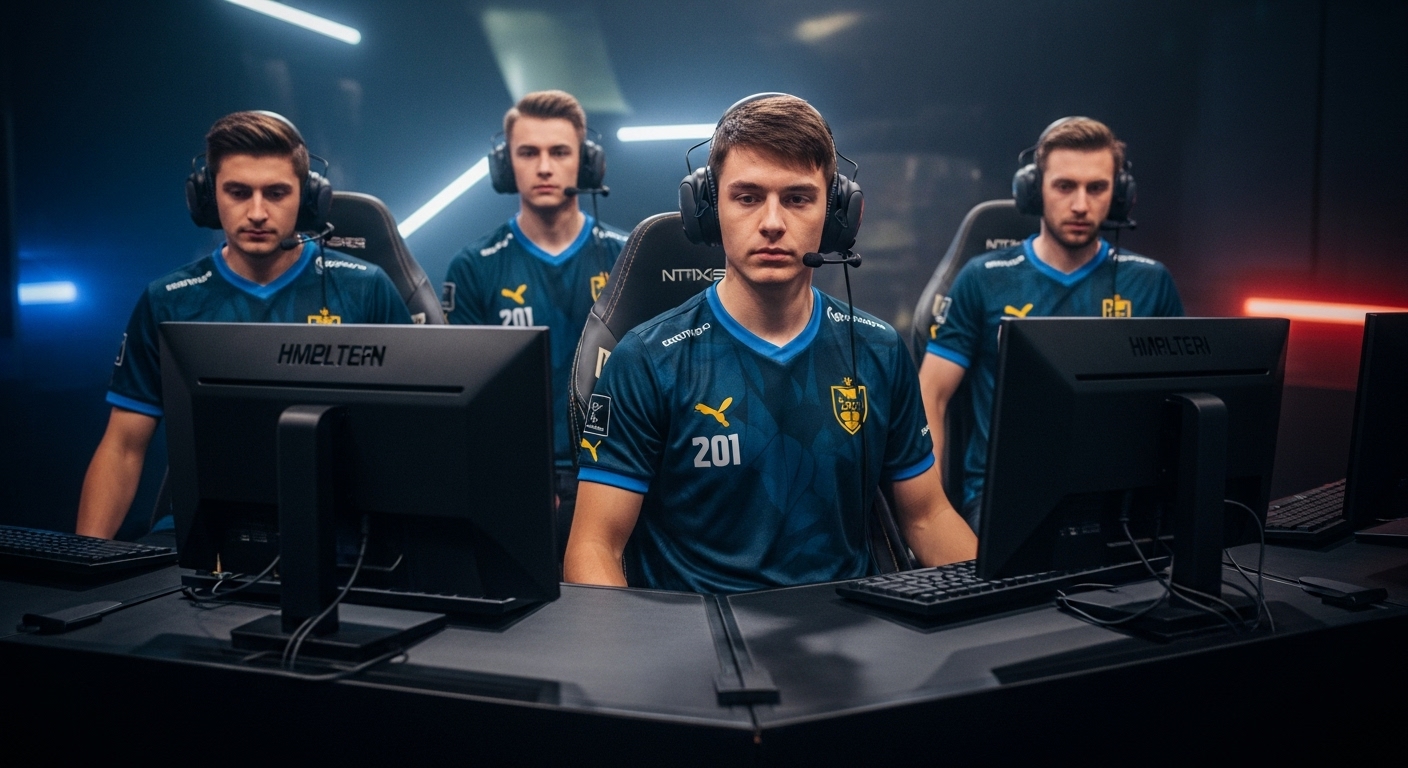
Professional esports players are modern-day digital athletes. They spend hours each day practicing strategies, improving reflexes, and studying their opponents. Their level of focus and discipline is similar to that of professional footballers or basketball players.
The top players and teams have become celebrities, admired for their talent and achievements. They inspire young gamers worldwide to pursue their dreams, showing that gaming can be more than a hobby—it can be a serious profession.
Esports as a Career and Industry
Esports has opened doors to countless career opportunities. Besides professional players, there are roles for coaches, analysts, commentators, event organizers, and content creators. The industry also supports game developers, marketers, and production crews who work behind the scenes to bring tournaments to life.
Many universities have even started offering esports scholarships and courses, recognizing its value as a legitimate field of study. This shift proves that esports is not just entertainment—it is a growing part of the global economy.
The Role of Technology in Esports Growth
Technology has played a major role in the success of esports. High-speed internet, powerful gaming systems, and streaming platforms have made it possible for fans to watch tournaments live from anywhere in the world.
Virtual reality and artificial intelligence are beginning to shape the future of esports, making the experience even more interactive and immersive. These innovations continue to push the limits of what gaming can achieve.
The Cultural Impact of Esports
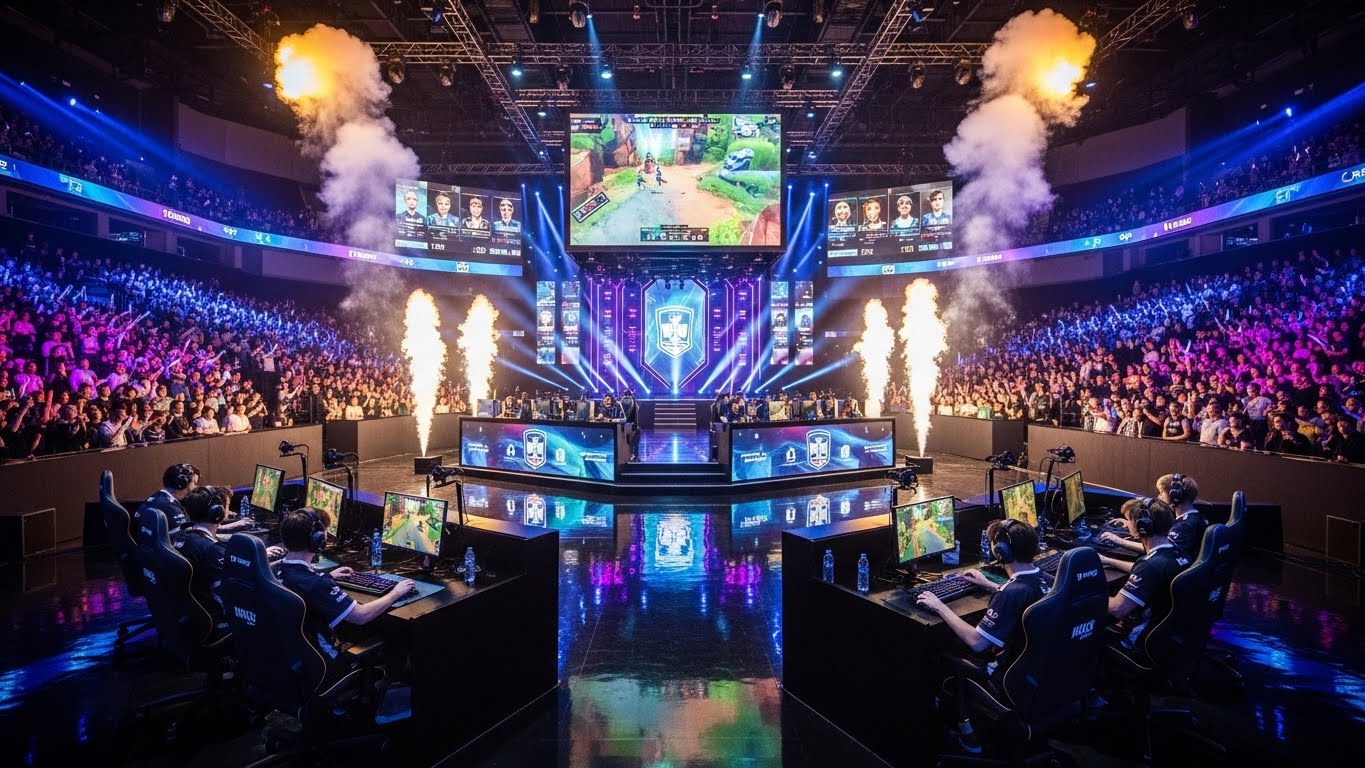
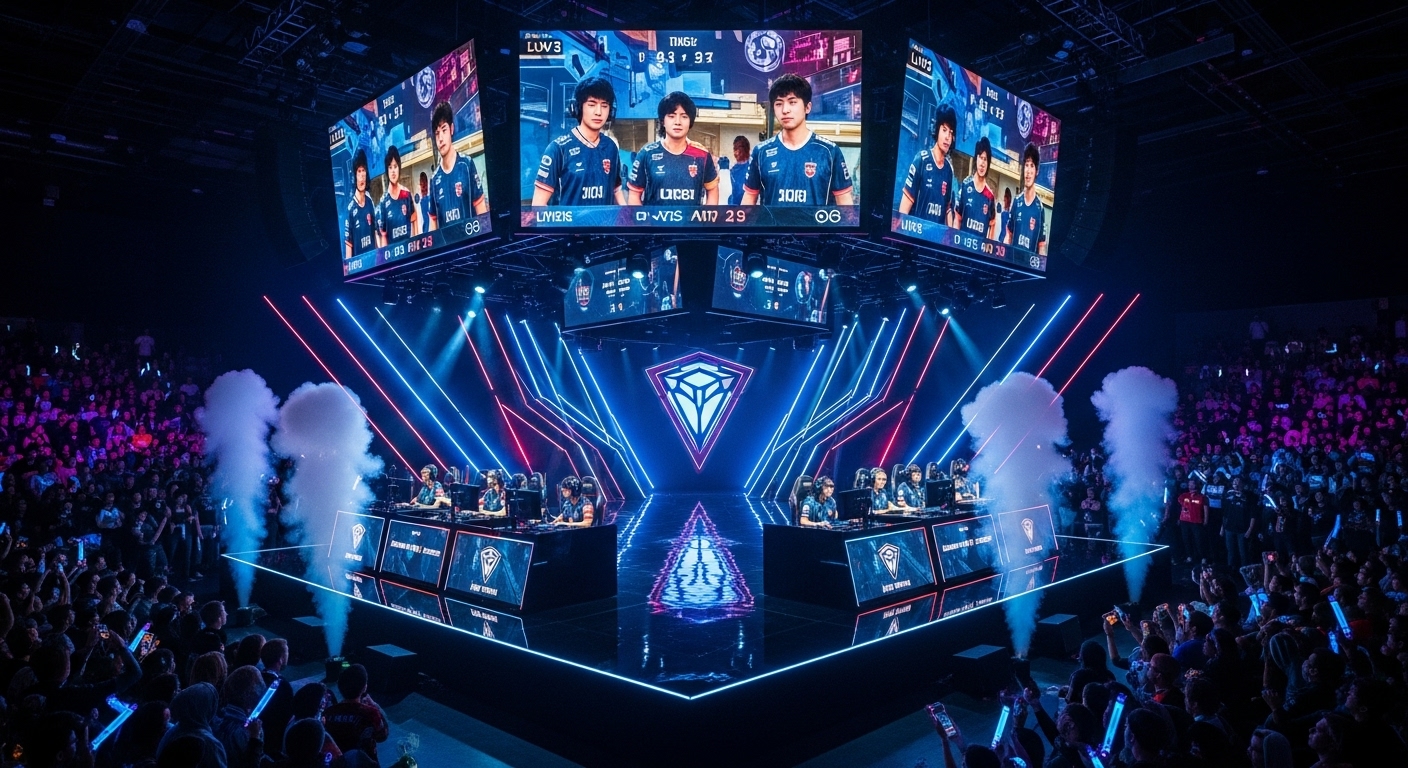
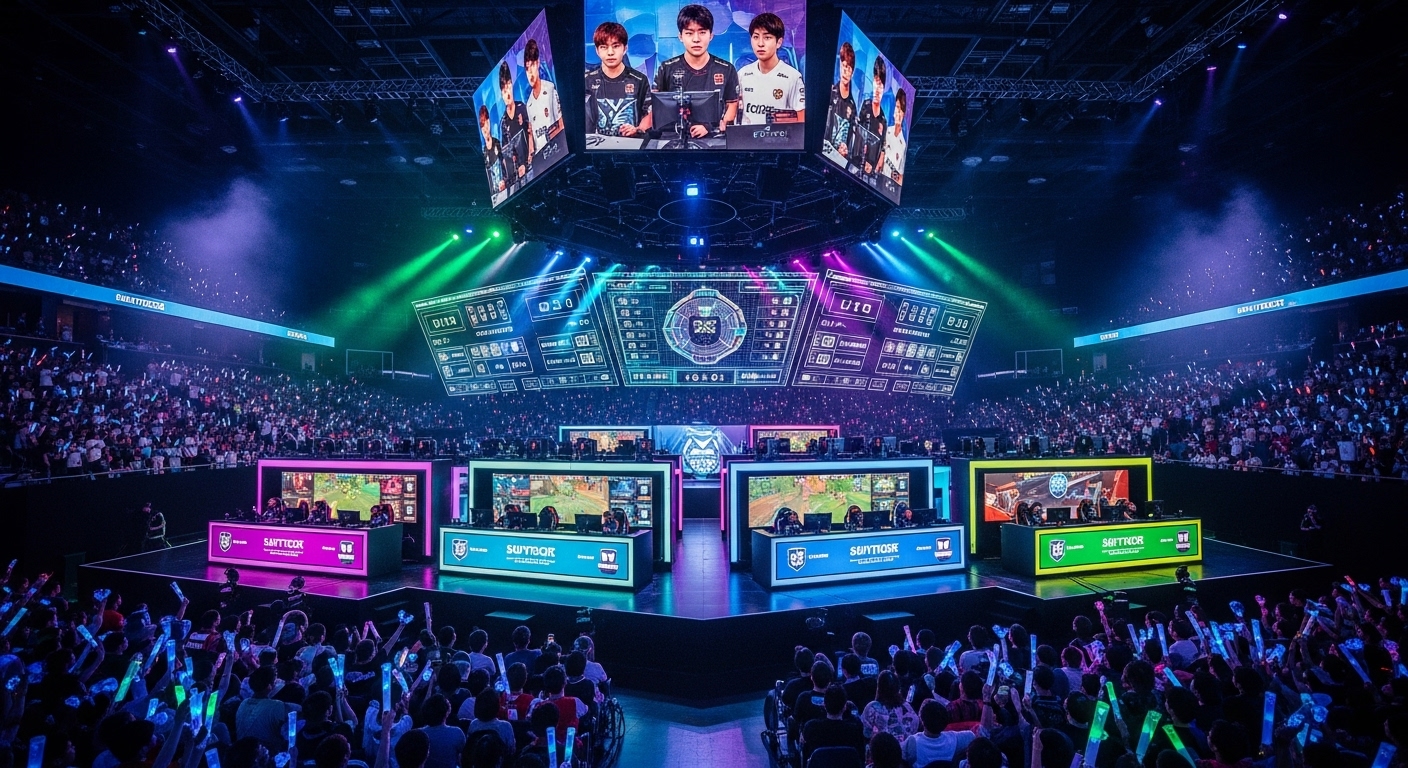
Esports has united people from different backgrounds, languages, and cultures. Fans cheer for their favorite teams just like in traditional sports. Major tournaments fill arenas, while millions watch online, creating a shared sense of excitement and community.
It has also influenced fashion, music, and media, shaping the digital lifestyle of younger generations. Esports is now more than a competition—it’s a cultural movement that reflects creativity, teamwork, and the power of technology.
Challenges Facing the Esports Industry
Despite its success, esports faces several challenges. Player burnout, lack of regulation, and online toxicity are common concerns. Many players retire early due to stress and demanding schedules. The industry must also ensure fair play by preventing cheating and promoting integrity.
Addressing these issues is essential for building a sustainable and healthy esports environment where players and fans can thrive together.
The Future of Esports
The future of esports looks incredibly promising. As technology continues to evolve, esports will become even more immersive, accessible, and influential. Major sporting organizations are already investing in esports teams, blurring the line between physical and digital competition.
With growing audiences and opportunities, esports will continue to redefine entertainment and inspire the next generation of gamers and innovators.
Conclusion
Esports represents the perfect blend of skill, technology, and passion. It has changed the way people view gaming and competition, proving that virtual battles can be just as thrilling as real-world sports. From local tournaments to world championships, esports has built a global community driven by talent, teamwork, and determination.
As it continues to rise, one thing is clear—esports is not just the future of gaming; it is the future of global entertainment.