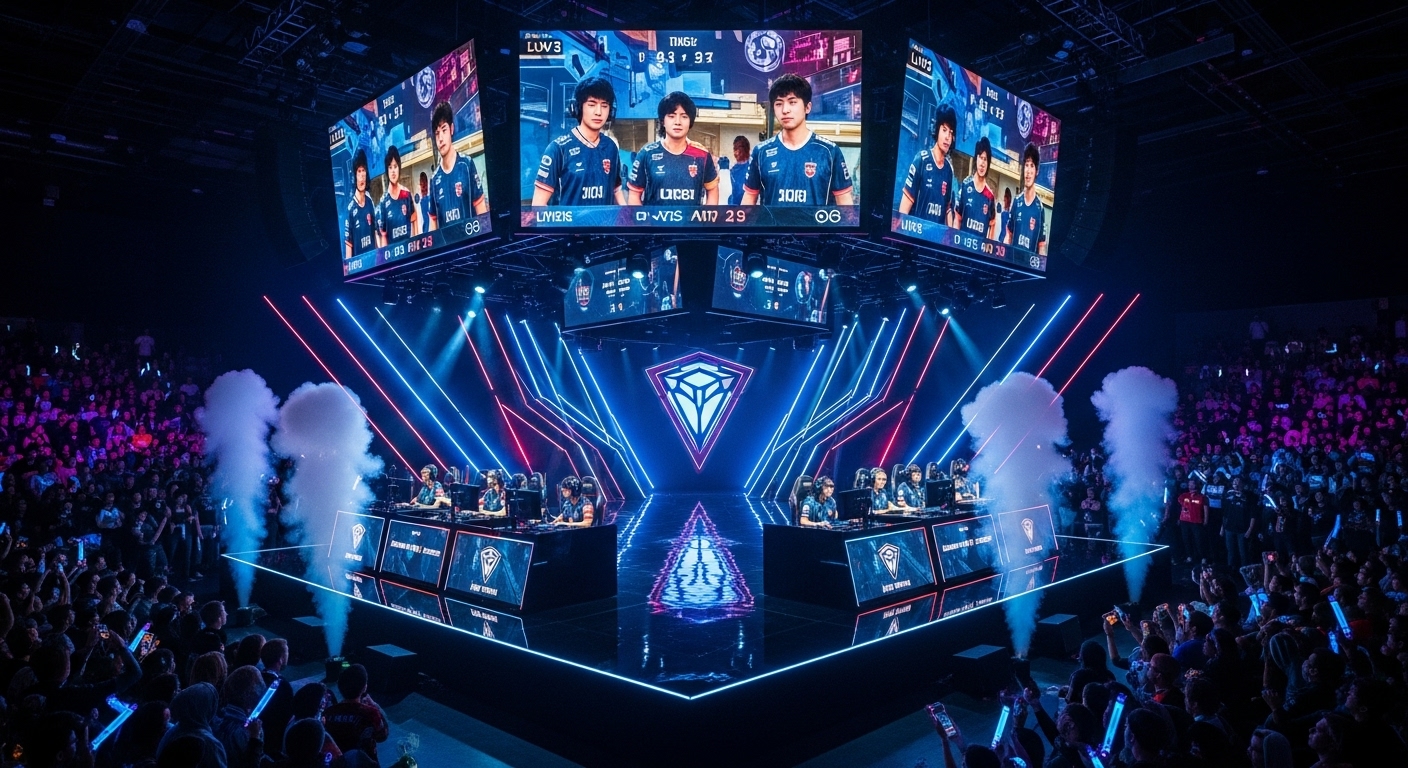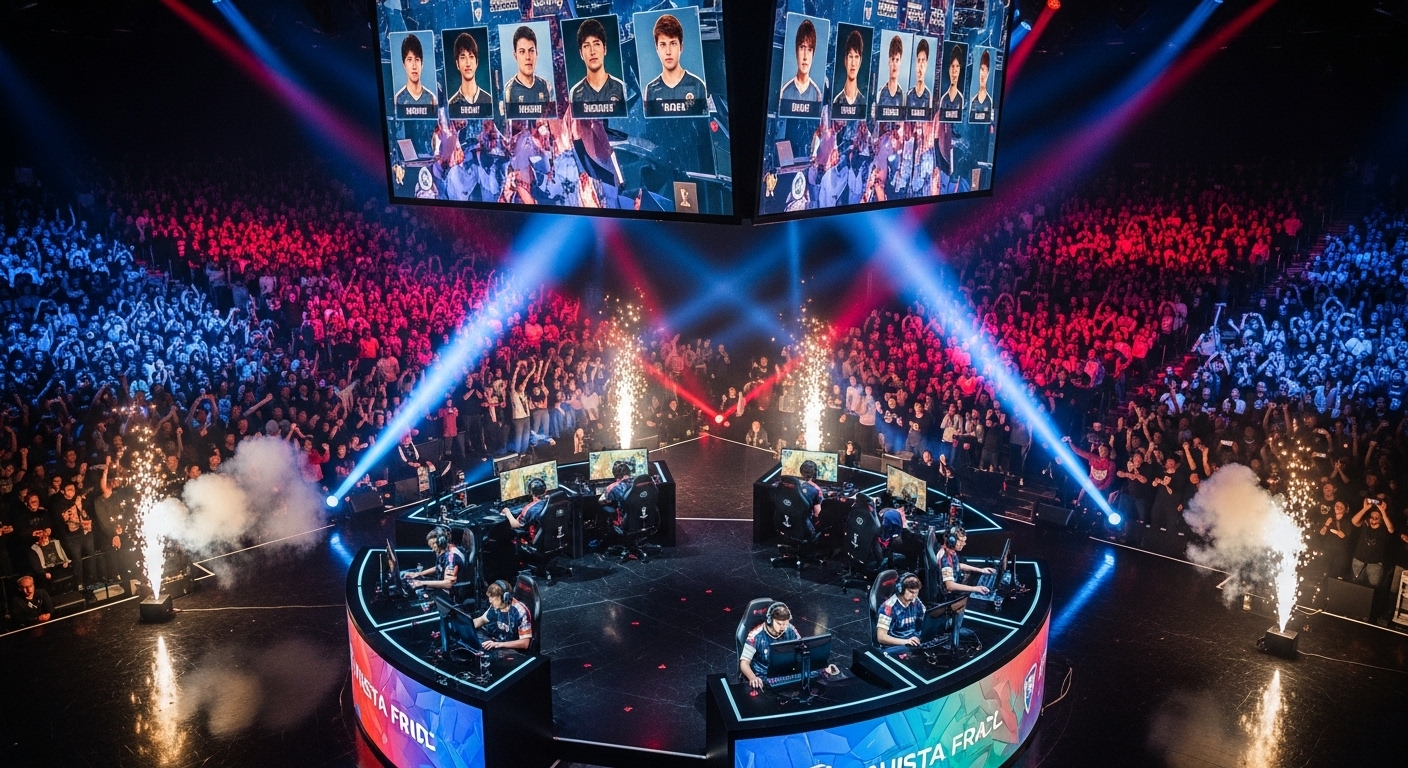
The world of esports has grown exponentially in recent years, turning what was once a niche hobby into a global phenomenon. With millions of fans tuning in to watch competitive video gaming, the role of esports casters and commentators has become more important and prestigious than ever before. These individuals are the voices that bring excitement, insight, and clarity to fast-paced games, enriching the viewing experience and helping audiences connect with the action.
If you are passionate about esports and want to become a professional caster or commentator, this blog post will guide you through everything you need to know. From the essential skills to develop, to how to break into the industry, to the daily life of a caster, this comprehensive guide will cover all aspects of the journey.
What Is an Esports Caster or Commentator?
Before diving into how to become a professional esports caster, it’s important to understand what the role entails. The terms “caster” and “commentator” are often used interchangeably but can have slightly different meanings depending on the context.
An esports caster typically provides play-by-play commentary during a live broadcast. They describe the on-screen action as it happens, highlighting critical moments, player decisions, and overall game flow. Casters keep the energy high and the audience engaged by narrating the gameplay in real time.
A commentator, sometimes called an analyst or color commentator, offers additional insight and analysis. They explain strategies, player backgrounds, team dynamics, and potential game outcomes. Commentators often provide deeper context that helps viewers understand the “why” behind the gameplay, enriching the broadcast with expert knowledge.
In many broadcasts, one person may perform both roles, serving as a caster and commentator simultaneously, or they may work as a duo with one focusing on play-by-play and the other on analysis.
Why Become an Esports Caster?
Esports casting is an exciting and rewarding career for many reasons. For gamers who love to talk about their favorite titles and want to be part of the growing esports ecosystem, casting offers a unique opportunity to blend passion and profession. Here are some key motivations behind pursuing a career in esports casting:
- Passion for Gaming: If you love video games and competitive esports, casting allows you to be deeply involved in the community and industry.
- Creative Expression: Casting requires strong communication skills and the ability to entertain and inform, making it an ideal outlet for those who enjoy storytelling and performance.
- Growing Industry: The esports market is expanding rapidly with increasing viewership, sponsorships, and professional opportunities.
- Networking and Travel: Casting can lead to attending events worldwide, meeting top players, teams, and industry professionals.
- Career Growth: Successful casters can move on to major tournaments, brand deals, streaming, and other lucrative ventures.
Essential Skills to Become a Successful Esports Caster
To become a professional esports caster or commentator, developing the right skills is crucial. It’s a competitive field, and your ability to communicate clearly and engagingly will determine your success. Below are the core skills you need to focus on:
1. Deep Knowledge of the Game
A thorough understanding of the game you want to cast is fundamental. This means knowing the mechanics, characters, strategies, meta, and terminology inside out. You must be able to identify important plays instantly and explain their significance to viewers.
2. Strong Communication Skills
Clear, concise, and engaging communication is the backbone of casting. You should be able to articulate your thoughts quickly and accurately, use expressive language, and maintain an enthusiastic tone to keep the audience hooked.
3. Quick Thinking and Adaptability
Esports matches are dynamic and unpredictable. As a caster, you must think on your feet, respond to unexpected events, and adjust your commentary style depending on the game’s pace or viewer feedback.
4. Research and Preparation
Successful casters prepare extensively by researching teams, players, and tournament formats ahead of time. Knowing player histories, play styles, and recent performances adds depth to your commentary.
5. Teamwork and Collaboration
Often, casters work with co-commentators, production teams, and tournament organizers. Being a team player who communicates well behind the scenes is essential.
6. On-Camera Presence and Confidence
Many casting roles require being live on camera. Having confidence, clear diction, and a charismatic presence helps you engage viewers and sponsors alike.
7. Technical Skills
Basic technical knowledge of streaming software, audio equipment, and broadcasting platforms is beneficial. You may also need skills in video editing or graphic overlays.
How to Start Your Career as an Esports Caster
Breaking into esports casting requires a combination of practice, exposure, and networking. Here’s a step-by-step guide to help you start your journey:
Step 1: Choose Your Game and Niche
Focus on one or two games that you are passionate about and knowledgeable in. Popular esports titles like League of Legends, Dota 2, Counter-Strike, Valorant, and Overwatch have large audiences, but niche games also offer casting opportunities with less competition.
Step 2: Watch and Learn From Professionals
Study the work of established casters in your chosen game. Observe their style, pacing, and how they balance play-by-play and analysis. Pay attention to their tone, vocabulary, and how they build excitement during key moments.
Step 3: Practice Casting Regularly
Start practicing by casting your own gameplay, tournament matches, or community games. Record your sessions and review them to identify areas for improvement. Focus on clarity, energy, and timing.
Step 4: Create a Portfolio or Demo Reel
Compile your best casting clips into a demo reel. This reel should showcase your ability to explain game mechanics, keep viewers engaged, and work under pressure. A well-crafted demo is essential when applying for casting roles.
Step 5: Get Involved in the Community
Join online esports communities, forums, and social media groups related to your chosen game. Participate in discussions, volunteer to cast amateur tournaments, and connect with players and organizers. Community involvement builds your network and reputation.
Step 6: Volunteer for Amateur and Online Tournaments
Many grassroots tournaments seek volunteer casters. This is a great way to gain experience, improve your skills, and build a portfolio. Take every opportunity to cast live events, even if the audience is small.
Step 7: Seek Feedback and Keep Improving
Ask for constructive feedback from peers, viewers, and industry professionals. Take criticism positively and continuously work on your weaknesses. Learning from mistakes is part of growing as a caster.
Step 8: Build Your Personal Brand
Create social media profiles, stream your casting sessions on platforms like Twitch or YouTube, and engage with your audience regularly. Building a following increases your visibility and chances of being noticed by esports organizations.
Step 9: Apply for Paid Casting Positions
Once you have a solid portfolio and experience, start applying for paid casting roles. These may be with esports organizations, event companies, streaming platforms, or game publishers. Persistence and professionalism are key.
Challenges You Might Face as an Esports Caster
Like any career, esports casting comes with its share of challenges. Being aware of these can help you prepare mentally and emotionally for the journey ahead.
High Competition
The esports casting scene is crowded with talented individuals, making it challenging to stand out. You need consistent effort and a unique style to get noticed.
Irregular Income
At the beginning, many casting roles are unpaid or low paid. Financial instability can be a reality until you establish yourself.
Long Hours and Travel
Casting major tournaments often involves long hours and travel to different locations. This can be physically and mentally demanding.
Public Scrutiny
Being a public figure means dealing with criticism from fans and players. Maintaining professionalism and thick skin is necessary.
Staying Updated
Games frequently change due to patches and updates. Keeping your knowledge current requires ongoing research and learning.
Tips to Excel as a Professional Esports Caster
To elevate your career and stand out in the esports casting world, consider these expert tips:
- Develop Your Unique Style: Find a casting style that suits your personality and differentiates you from others. Whether it’s humor, detailed analysis, or passionate storytelling, your voice matters.
- Network Actively: Build relationships with players, teams, organizers, and fellow casters. Networking can open doors to opportunities that aren’t advertised.
- Stay Humble and Open to Learning: The best casters remain students of the game and the craft, always looking to improve.
- Master the Art of Storytelling: Great casters don’t just describe action; they tell stories that draw viewers into the narrative of the match.
- Maintain Physical and Mental Health: Long broadcasts and travel can take a toll. Prioritize self-care to sustain performance.
- Expand Your Skill Set: Learn video editing, graphic design, or social media management to offer more value and versatility.
- Engage with Your Audience: Interacting with fans during streams or social media builds loyalty and can increase your visibility.
The Future of Esports Casting
The esports industry is still evolving, and so is the role of casters. New technologies like virtual reality, augmented reality, and AI-enhanced broadcasts may change how games are cast. Additionally, the rise of influencer culture means casters who can build personal brands and engage fans across platforms will have a competitive edge.
As esports continues to grow globally, demand for professional casters will increase. This creates exciting possibilities for newcomers willing to work hard and innovate.
Conclusion
Becoming a professional esports caster or commentator is an achievable and rewarding goal for passionate gamers who love communication and performance. It requires dedication, skill development, and community involvement, but the potential career rewards—being part of a vibrant industry, traveling, and sharing your passion with millions—make it worth the effort.
Start by choosing your game, learning from the pros, practicing regularly, and getting involved in the community. Over time, build your portfolio, network with industry insiders, and pursue casting opportunities. Stay adaptable, keep learning, and focus on developing your unique voice. With perseverance and passion, you can become a respected voice in the exciting world of esports.