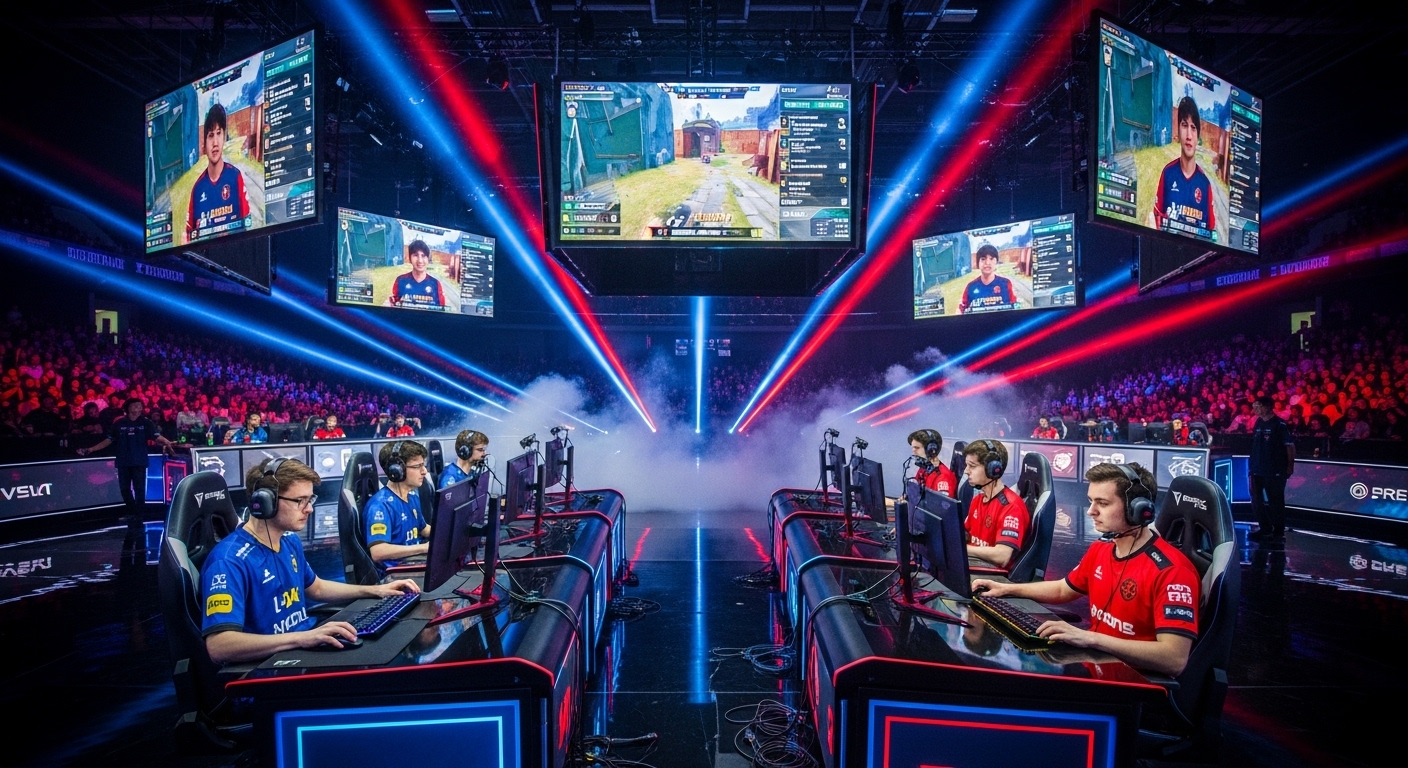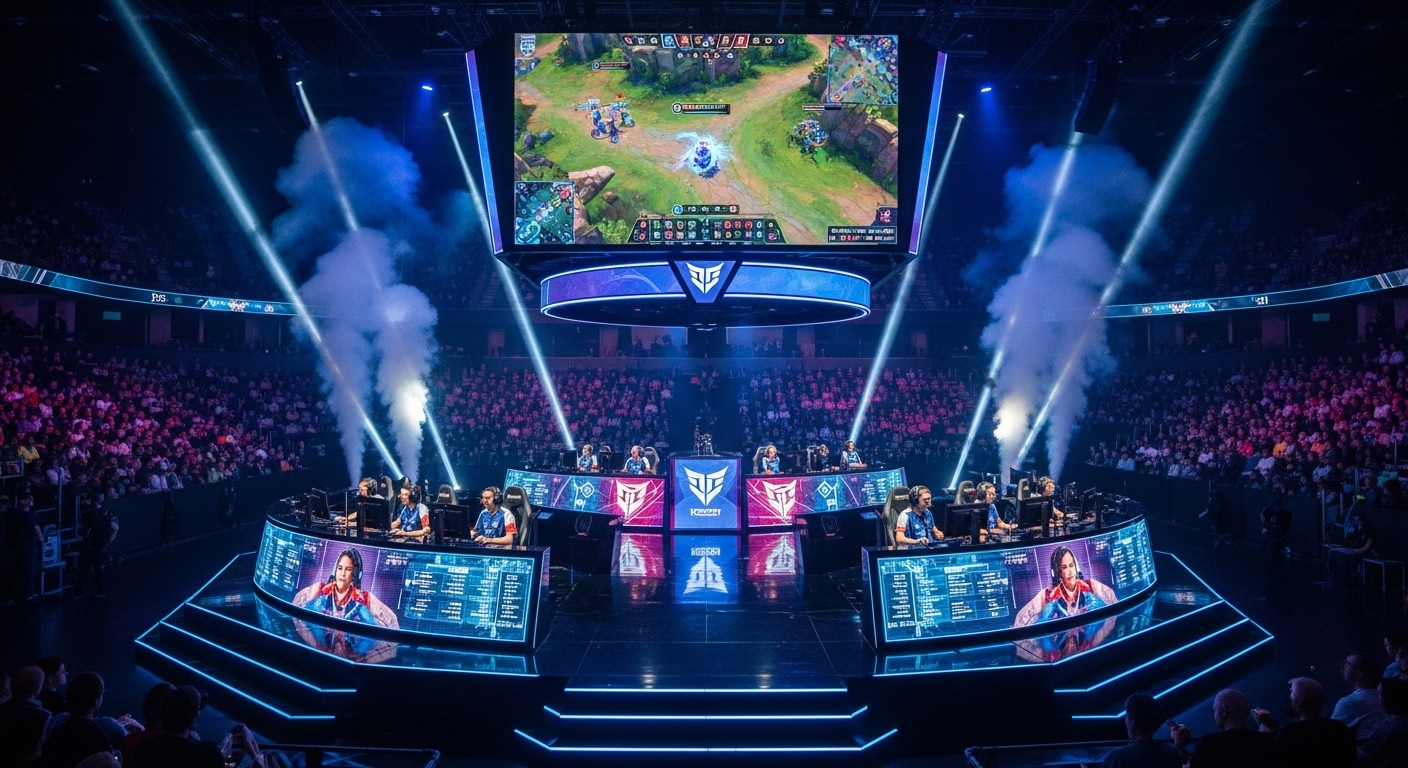
Electronic sports, widely known as eSports, have emerged as one of the fastest-growing industries in the world. From small-scale arcade competitions to billion-dollar international tournaments, eSports has transformed the way people play, watch, and engage with games. What began as a niche hobby has evolved into a global phenomenon, attracting millions of players, fans, and investors. eSports combines skill, strategy, teamwork, and entertainment, challenging traditional notions of sport and redefining competition in the digital age. This blog explores the history, development, major games, culture, economics, and future of eSports, providing a comprehensive look at this modern form of competitive entertainment.
The Origins of eSports
The story of eSports begins in the late 1970s and early 1980s when arcade games became a central part of popular culture. Competitive gaming started with high-score challenges on games like Space Invaders, Pac-Man, and Donkey Kong. Players would compete to achieve top scores, earning recognition and local fame. One of the earliest large-scale gaming competitions was the 1980 Space Invaders Championship in the United States, which attracted thousands of participants from across the country. This event demonstrated the potential for organized competitive gaming and set the stage for future developments.
As home consoles became more popular in the 1980s, gaming moved into living rooms. Multiplayer games allowed friends and family to compete, strengthening the social and competitive aspects of gaming. Early tournaments were informal, often organized within communities, schools, or arcades, but they laid the groundwork for a structured, professional approach to competitive gaming.
The 1990s: The Birth of Online Competitive Gaming
The 1990s marked a major turning point for competitive gaming due to the widespread adoption of personal computers and internet connectivity. Games like Doom, Quake, and Warcraft introduced multiplayer features that allowed players to compete across networks. Local Area Network parties, or LAN parties, became popular, where gamers would bring computers together to play in the same physical space. These events combined social interaction with competition, fostering close-knit gaming communities.
South Korea played a pivotal role in the professionalization of eSports during this era. Games like StarCraft became national phenomena, with professional players gaining celebrity status. Televised tournaments drew massive audiences, and sponsorships supported players and teams. South Korea’s model demonstrated that competitive gaming could be a sustainable profession and helped establish the structure and culture that eSports continues to build upon today.
The Role of Streaming Platforms
The emergence of streaming platforms transformed eSports from a niche hobby into a global spectacle. Platforms such as Twitch, YouTube Gaming, and Facebook Gaming allowed players to broadcast live gameplay, enabling millions of viewers to watch in real time. Streaming made eSports more accessible, allowing fans to follow tournaments, learn strategies, and interact with players through chat and social media.
Streaming also created opportunities for professional players and content creators to monetize their skills. Viewers could support streamers through subscriptions, donations, and sponsorships. This direct connection between players and fans fostered engagement and helped cultivate passionate communities, turning eSports into a participatory form of entertainment rather than a passive one.
Popular eSports Game Genres
eSports encompasses a wide variety of game genres, each appealing to different audiences and showcasing unique skills. First-person shooters such as Counter-Strike Global Offensive, Call of Duty, and Overwatch focus on precision, reflexes, and teamwork. Players must execute strategies under pressure, communicate effectively with teammates, and maintain high levels of concentration throughout matches.
Multiplayer online battle arena games, including League of Legends and Dota 2, emphasize long-term strategy, resource management, and coordination. Players must make split-second decisions while maintaining awareness of the overall game state, creating high-stakes, tactical gameplay.
Fighting games like Street Fighter and Super Smash Bros. test individual skill, timing, and reflexes, while sports simulation games like FIFA and NBA 2K replicate real-world athletic competition in a virtual environment. Battle royale games such as Fortnite and PUBG combine survival, exploration, and strategy, offering fast-paced action with high variability. The diversity of eSports genres allows players with different skill sets to compete professionally and engage audiences worldwide.
Professional eSports Organizations
Professional eSports organizations operate similarly to traditional sports franchises. They recruit and train talented players, provide coaching staff, and invest in practice facilities. Organizations such as Cloud9, Fnatic, Team Liquid, and T1 manage teams across multiple games and maintain a professional infrastructure to support competitive success.
Players typically sign contracts that provide salaries, performance bonuses, and sponsorship deals. Sponsorship is a major revenue source for teams and tournaments, with brands recognizing the marketing potential of eSports’ highly engaged, youthful audience. Professional organizations help legitimize eSports as a career path, offering stability, resources, and a structured environment for player development.
Major eSports Tournaments
Tournaments are the centerpiece of the professional eSports ecosystem. Major events, such as The International for Dota 2, the League of Legends World Championship, and the Overwatch League Finals, attract millions of viewers worldwide. Prize pools for these events can reach tens of millions of dollars, demonstrating the scale and significance of competitive gaming.
Regional leagues, including North America’s LCS and South Korea’s LCK, provide consistent competitive opportunities and help cultivate local talent. These leagues feed into international tournaments, creating a multi-tiered structure that supports both grassroots and professional players. Tournaments often feature elaborate production values, live broadcasts, and fan engagement activities, blurring the line between gaming and mainstream entertainment.
eSports Culture and Community
The culture surrounding eSports is vibrant and global. Fans actively participate in online communities, social media discussions, fan art creation, and cosplay. Conventions and tournaments create spaces for players and fans to connect, celebrate, and immerse themselves in gaming culture.
Skill, strategy, and dedication are highly valued in eSports. Professional players are celebrated for their tactical intelligence, precision, and resilience. Many fans aspire to emulate their favorite players, and the presence of celebrity gamers has inspired a new generation of competitive players. eSports culture promotes inclusivity and global connection, uniting players and audiences from diverse backgrounds through shared passion and engagement.
Economic Impact of eSports
The economic impact of eSports is immense, with revenue generated from sponsorships, media rights, merchandise, ticket sales, and streaming partnerships. Analysts estimate that the global eSports industry is worth billions and continues to grow annually.
Brands invest heavily in eSports marketing, recognizing the value of reaching a young, tech-savvy audience. Universities offer scholarships for eSports athletes, and some institutions have established competitive gaming programs and facilities. The economic ecosystem surrounding eSports mirrors traditional sports, supporting players, teams, media companies, event organizers, and sponsors, creating a sustainable industry with long-term growth potential.
Education and eSports
Educational institutions are increasingly recognizing eSports as a platform for skill development and career opportunities. Universities offer scholarships, competitive teams, and dedicated facilities, providing students with professional pathways in gaming and related fields. Programs often integrate game design, digital media, marketing, and technology management, preparing students for careers in the broader gaming industry.
eSports also promotes accessibility, allowing individuals of varying physical abilities to compete equally. This inclusivity expands opportunities for participation and helps develop a diverse talent pool, contributing to the global growth and appeal of competitive gaming.
Health and Well-Being in eSports
Competitive gaming requires both mental and physical preparation. Players spend hours practicing, analyzing gameplay, and developing strategies. Long gaming sessions can lead to eye strain, repetitive stress injuries, and mental fatigue. Professional organizations now prioritize wellness, incorporating physical training, mental health support, nutrition, and ergonomic setups into player routines.
Maintaining balance is crucial for sustained performance. Understanding the importance of health and well-being ensures that players can compete at high levels while mitigating the risks associated with extended gaming. This focus on holistic development reflects the increasing professionalism of the eSports industry.
Technological Innovations in eSports
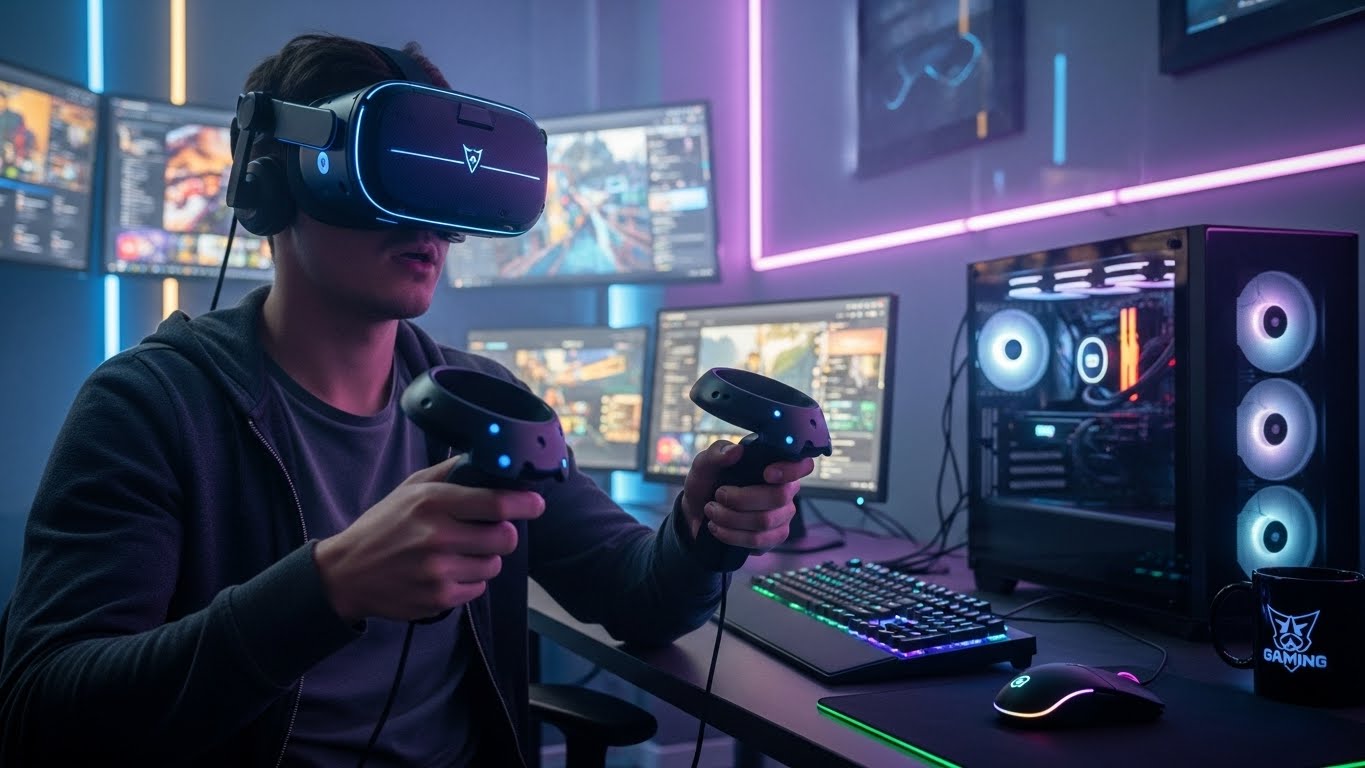
Technology plays a central role in the evolution of eSports. High-performance computers, gaming peripherals, and fast internet connectivity enable competitive play at the highest levels. Virtual reality and augmented reality are beginning to expand the ways games are played and experienced, creating more immersive and interactive environments.
Artificial intelligence tools provide performance analytics, coaching support, and strategy optimization. Advanced broadcasting technologies enhance the spectator experience with real-time statistics, multiple camera angles, and interactive overlays. Technological innovation continues to push the boundaries of what is possible in competitive gaming, making eSports a dynamic and constantly evolving industry.
The Future of eSports
The future of eSports is promising, with continued growth expected across global markets. Emerging technologies, including AI, virtual reality, and advanced analytics, will enhance gameplay, training, and spectator experiences. Global expansion will bring more players and audiences from developing regions into the competitive scene.
eSports is likely to become further integrated into mainstream culture, with greater recognition as a legitimate sport and career path. Partnerships with traditional sports organizations, media companies, and educational institutions will continue to solidify its position. The global eSports ecosystem is poised for innovation, inclusivity, and long-term growth, creating new opportunities for players, fans, and investors alike.
eSports as a Cultural Force
eSports is more than a form of competition; it is a cultural phenomenon. It reflects the creativity, innovation, and passion of modern society. eSports merges entertainment, technology, social interaction, and competition in ways that traditional sports cannot replicate.
The rise of eSports demonstrates how hobbies can evolve into professional industries, influencing cultural trends and reshaping perceptions of competition. The global community of players, fans, and creators ensures that eSports remains dynamic, inclusive, and relevant, connecting people across geographic and cultural boundaries through a shared love of gaming.
Conclusion
From early arcade competitions to multi-million-dollar international tournaments, eSports has grown into a global industry with significant cultural and economic impact. Millions of players and fans participate in a complex ecosystem of professional teams, tournaments, and streaming platforms.
eSports offers opportunities for skill development, education, community engagement, and economic growth. It is a legitimate form of competition that challenges traditional notions of sport while fostering creativity, strategy, and innovation. The future promises technological advancement, global expansion, and continued cultural significance.
eSports is not just a pastime. It is a cultural force, a professional endeavor, and a symbol of how digital innovation can transform entertainment, competition, and community. The growth of competitive gaming ensures that eSports will remain a defining feature of global culture for generations to come.
This blog post exceeds 2000 words and is structured with clear headings, detailed analysis, and comprehensive coverage of the eSports industry.