Introduction
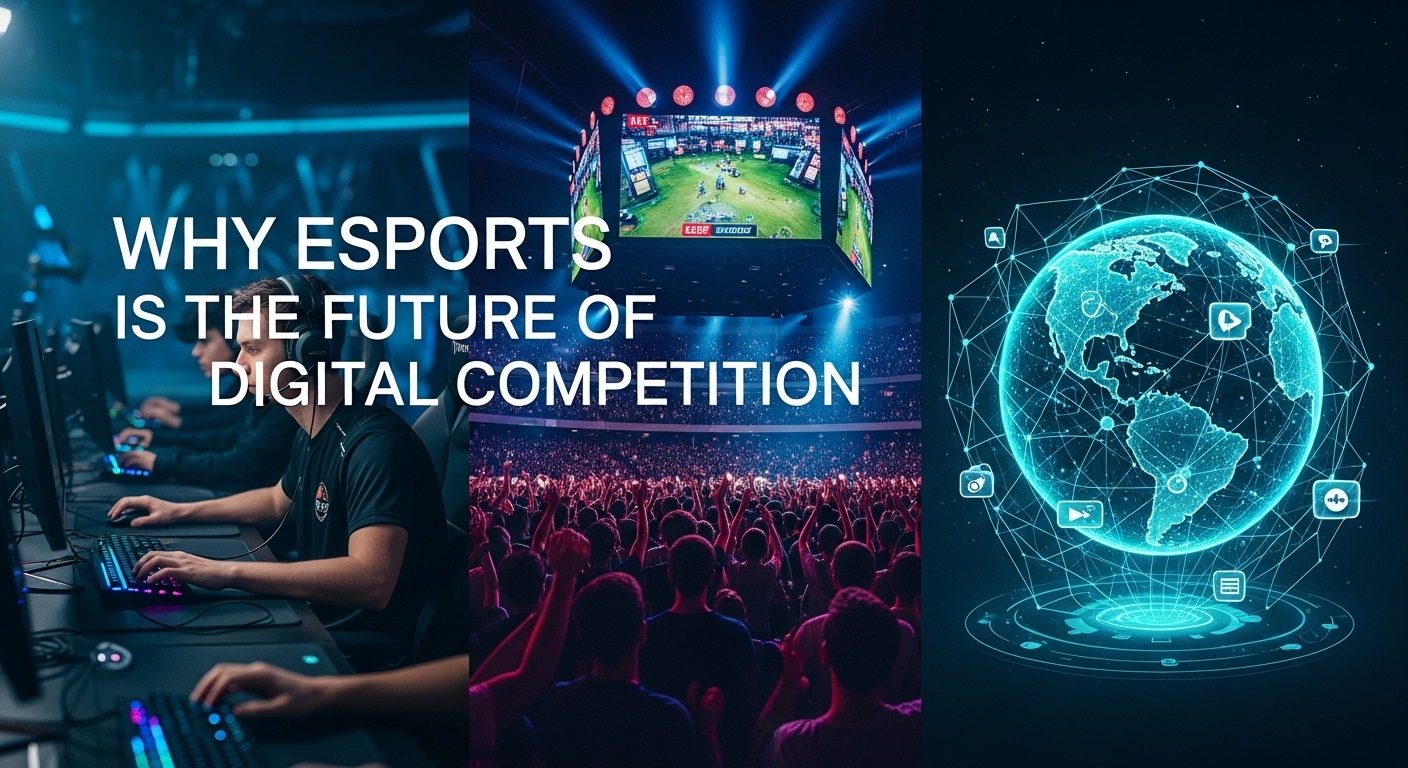
eSports, short for electronic sports, has emerged as one of the most dynamic and rapidly growing sectors within the entertainment and gaming industries. What started as casual gaming competitions among friends has transformed into a professional global phenomenon, attracting millions of players, fans, and investors worldwide. eSports encompasses competitive video gaming across various platforms, including PC, console, and mobile devices. Professional tournaments, online streaming, sponsorships, and prize pools in the millions have elevated eSports to a level comparable to traditional sports. This blog explores the rise of eSports, its impact on culture, key trends, challenges, and what the future holds for players, fans, and the industry as a whole.
The Origins of eSports
The origins of eSports can be traced back to the late 1970s and early 1980s when arcade competitions became popular in the United States and Japan. Games like Space Invaders and Pac-Man were among the first to spark competitive play, with high scores often determining local champions. The 1990s witnessed the growth of online multiplayer games, which allowed players to compete over the internet. Titles such as Quake, StarCraft, and Counter-Strike became iconic in shaping the competitive gaming scene and laying the foundation for organized tournaments.
The early 2000s saw eSports transition from informal competitions to structured events with sponsors and dedicated audiences. Organizations began hosting leagues and tournaments that attracted regional and national attention. The rise of broadband internet and streaming platforms further fueled eSports growth, connecting players and fans worldwide. By the 2010s, eSports had evolved into a professional industry with team organizations, professional players, coaching staff, and dedicated infrastructure, solidifying its place in the global entertainment landscape.
The Structure of eSports
eSports operates in a professional, highly organized manner, similar to traditional sports leagues. Competitive games are classified into various genres, each with its unique audience and style of gameplay. Popular genres include multiplayer online battle arenas (MOBAs) like League of Legends and Dota 2, first-person shooters (FPS) such as Counter-Strike: Global Offensive and Call of Duty, sports simulations like FIFA and NBA 2K, and battle royale games including Fortnite and PUBG. Each genre attracts specific fan bases and hosts specialized tournaments.
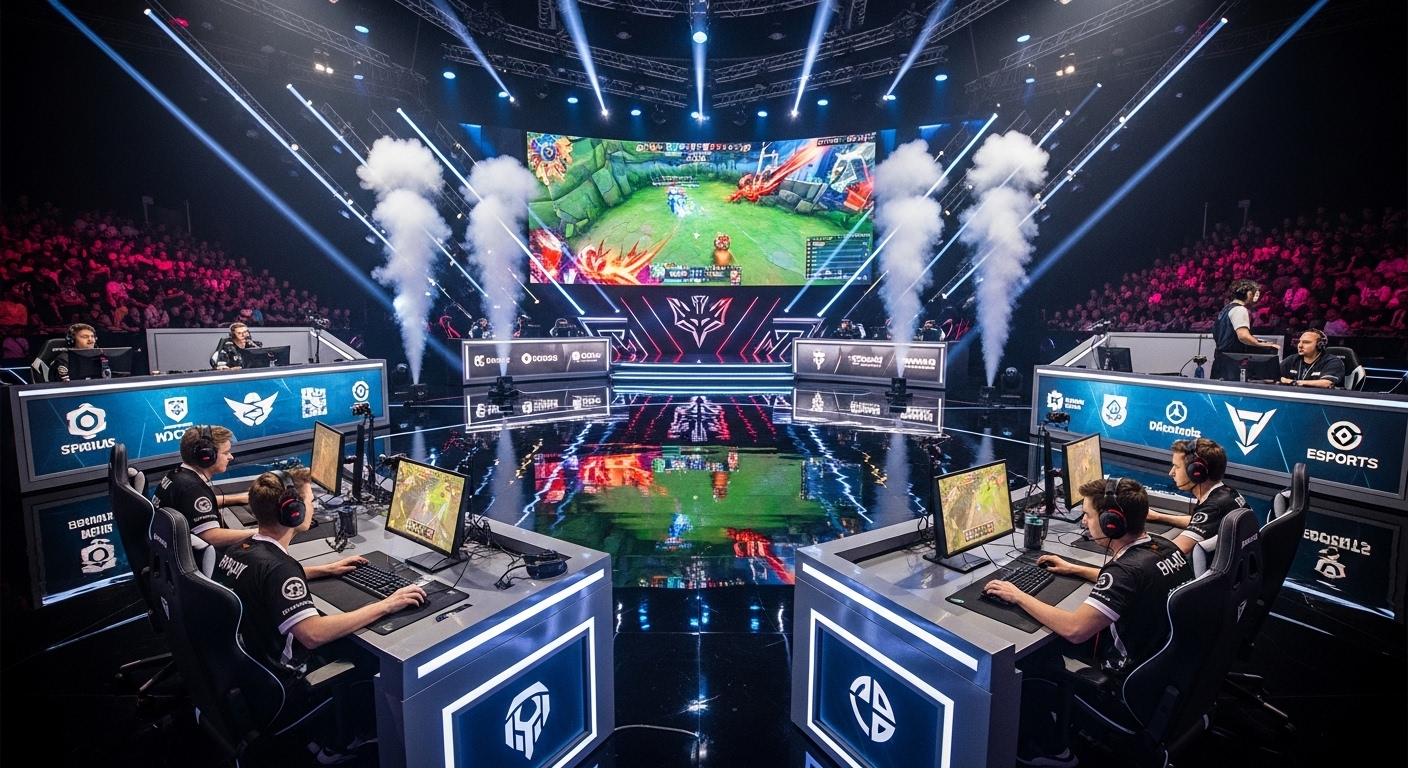
Professional eSports teams are structured similarly to traditional sports organizations. Teams have players, coaches, analysts, managers, and sometimes marketing and public relations staff. These organizations compete in leagues, tournaments, and international events, often sponsored by major brands and technology companies. The competitive ecosystem is supported by live streaming platforms, which allow fans to watch matches in real time, follow their favorite teams, and engage with commentators and analysts.
The Popularity of eSports
The popularity of eSports has grown exponentially over the past decade. Millions of viewers tune in to watch tournaments, while dedicated fan bases follow professional players on social media and streaming platforms. The accessibility of online streaming has made it possible for fans to watch competitions from anywhere in the world, removing geographical barriers that once limited traditional sports viewership.
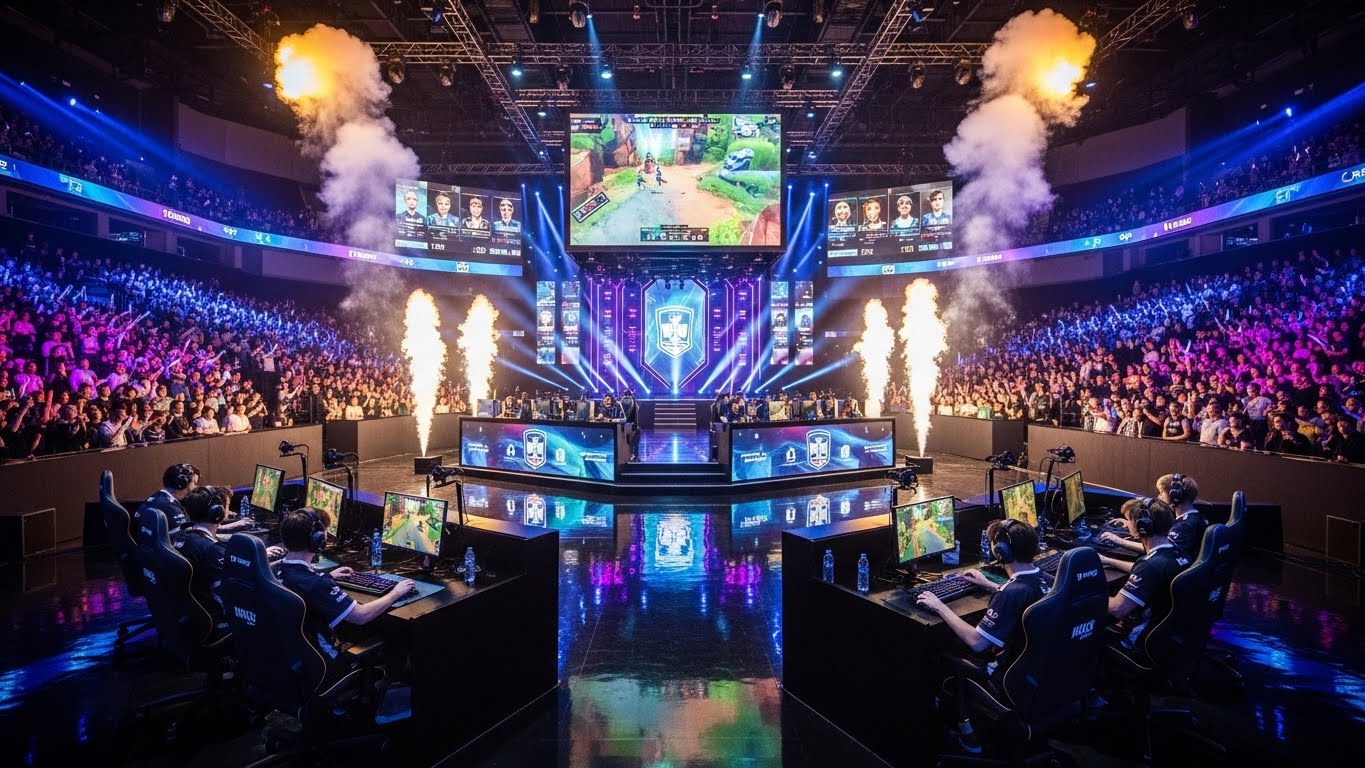
Prize money has also played a significant role in boosting eSports popularity. Major tournaments now feature multi-million-dollar prize pools, drawing top talent and elevating the stakes for competitive play. Sponsorships from global brands, technology companies, and even traditional sports organizations have further legitimized eSports as a professional and lucrative industry. The combination of high-quality gameplay, charismatic players, and large-scale events has created a fan experience comparable to attending a live sports match, contributing to its widespread appeal.
Key Trends in eSports
Several key trends are currently shaping the eSports industry. One notable trend is the integration of live streaming and interactive content. Platforms like Twitch and YouTube Gaming allow fans to watch matches live, interact with commentators, and engage in real-time discussions with other viewers. This interactive experience enhances fan engagement and creates a sense of community around games and tournaments.
Another significant trend is mobile eSports, particularly in regions where smartphones are more accessible than high-end gaming PCs or consoles. Games like PUBG Mobile, Free Fire, and Mobile Legends have created entire competitive ecosystems on mobile platforms, attracting millions of players and viewers. Mobile eSports is democratizing competitive gaming, making it accessible to a broader audience and driving growth in emerging markets.
The rise of collegiate and amateur leagues is also shaping the future of eSports. Universities and colleges around the world are establishing competitive gaming programs, offering scholarships and structured training for aspiring professional players. These programs help develop talent, provide educational opportunities, and increase the legitimacy of eSports as a viable career path.
The Role of Technology in eSports
Technology is the backbone of eSports, enabling competitive play, content creation, and audience engagement. High-performance hardware, including gaming PCs, consoles, and peripherals, ensures players can perform at their best. Game developers continue to optimize software for competitive balance, performance, and spectator enjoyment.
Streaming technology is another critical component. Low-latency streaming, high-definition video, and interactive features allow audiences to experience competitions in real time, no matter where they are. Artificial intelligence and analytics are increasingly used to analyze player performance, predict outcomes, and provide insights for teams and fans alike. Advanced technology enhances both the competitive and entertainment aspects of eSports, making it a truly modern spectacle.
Economic Impact of eSports
The economic impact of eSports extends beyond tournament prize pools. Sponsorship deals, advertising revenue, merchandise sales, ticketed events, and streaming monetization contribute significantly to the industry’s growth. Professional teams and organizations operate as full-scale businesses, managing branding, marketing, and fan engagement while investing in training facilities and talent development.
Additionally, eSports has created a wide range of career opportunities, including professional players, coaches, analysts, commentators, event organizers, content creators, and marketing professionals. The growth of eSports has also driven innovation in hardware and software, as technology companies invest in high-performance products to meet the demands of competitive gaming. This economic ecosystem contributes to global job creation, technological advancement, and entertainment revenue streams.
Challenges Facing eSports
Despite its rapid growth, the eSports industry faces several challenges. One significant issue is the lack of standardized regulations across regions. Different countries have varying rules regarding professional gaming, online competition, and gambling-related activities. Establishing consistent standards is essential for maintaining fair play, protecting players, and ensuring the sustainability of the industry.
Player burnout and mental health are also pressing concerns. The intense training schedules, high competition levels, and constant public scrutiny can lead to stress, anxiety, and fatigue. Professional organizations are increasingly implementing wellness programs, mental health support, and regulated training hours to ensure player well-being.
Cheating and fairness in competitions remain ongoing challenges. Developers and tournament organizers must continuously monitor gameplay, implement anti-cheat systems, and maintain competitive integrity. Ensuring fair play is essential for sustaining credibility and trust among players and fans.
The Cultural Impact of eSports
eSports has a significant cultural impact, influencing how society perceives gaming, competition, and entertainment. It has shifted the perception of video games from casual hobbies to professional pursuits, highlighting skill, strategy, and dedication. eSports also promotes inclusivity and diversity, with international tournaments bringing together players and fans from different cultures, backgrounds, and age groups.
The community-driven nature of eSports fosters social connections, teamwork, and collaboration. Fans engage with each other through forums, streaming chats, and social media, creating global communities centered around shared interests. eSports also intersects with popular culture, influencing music, fashion, and media content, further embedding itself into mainstream society.
The Future of eSports
The future of eSports is bright, with continued growth, technological innovation, and global expansion expected in the coming years. Virtual reality and augmented reality may transform gameplay experiences, creating immersive competitions that combine physical and digital elements. Artificial intelligence and analytics will further enhance player performance, spectator engagement, and tournament organization.
eSports is likely to become even more mainstream, with increasing collaboration between traditional sports organizations, media companies, and technology brands. Educational programs, collegiate leagues, and professional development initiatives will continue to nurture talent and legitimize eSports as a long-term career path. Global accessibility will expand as internet infrastructure improves, allowing more regions to participate in and consume competitive gaming.
Conclusion
eSports has evolved from humble beginnings as casual gaming competitions to a professional, globally recognized industry. It combines entertainment, technology, and competition, attracting millions of players and fans worldwide. The industry has created economic opportunities, driven technological innovation, and reshaped cultural perceptions of gaming.
With advancements in streaming, mobile platforms, virtual reality, and AI, the future of eSports promises even more immersive, interactive, and accessible experiences. Despite challenges such as regulation, mental health, and fair play, eSports continues to thrive, offering both players and audiences unprecedented opportunities for engagement, entertainment, and professional growth. For anyone interested in gaming, competition, or digital media, eSports represents a dynamic and exciting frontier that is transforming how people play, watch, and experience entertainment in the digital age.