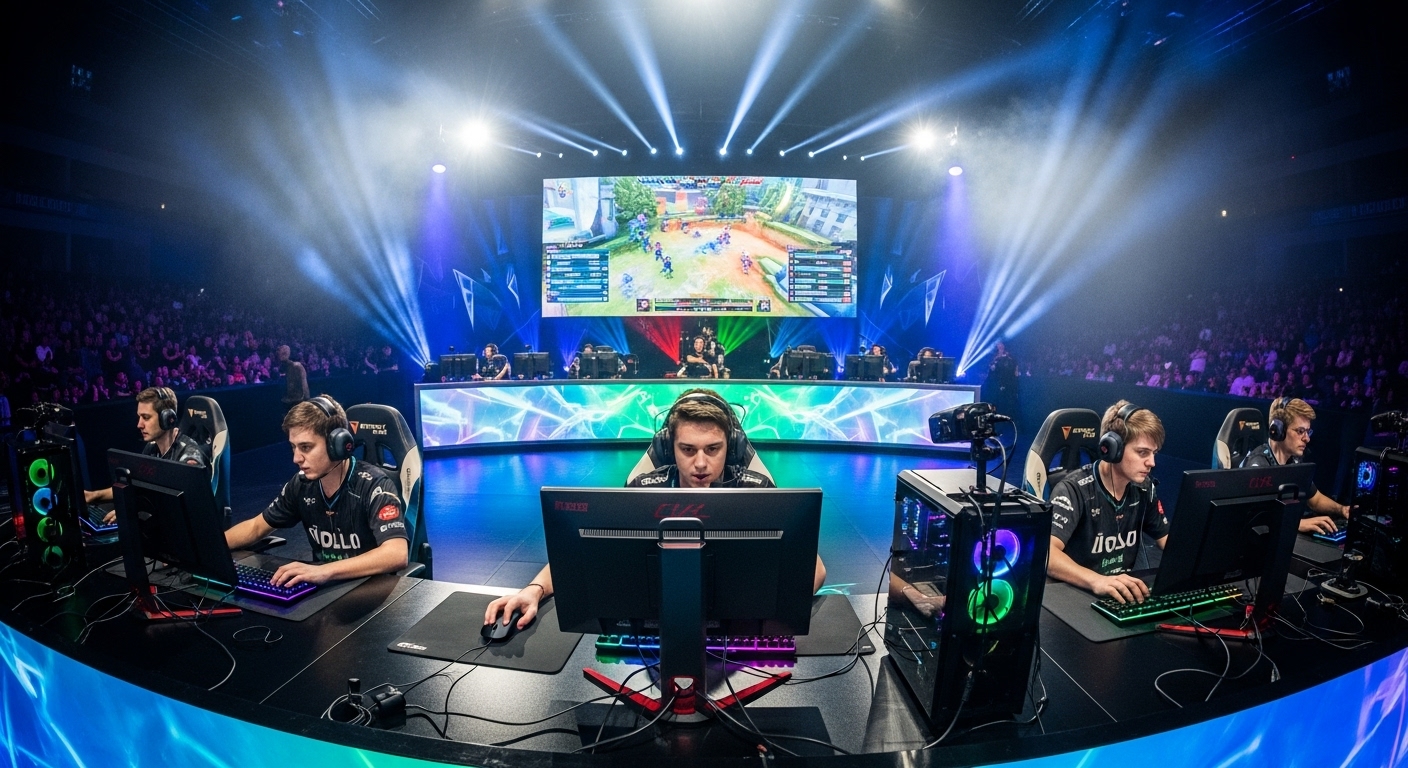
In the last two decades, the world of gaming has evolved into a global phenomenon known as esports. What was once considered a niche hobby for dedicated gamers has transformed into a multi-billion-dollar industry with millions of fans, professional players, and even educational programs. Esports, or electronic sports, encompasses competitive video gaming at the highest level, where players and teams compete in tournaments with huge stakes, both financially and reputationally. This blog post will explore the history, growth, influence, and future of esports, highlighting why it has become one of the most dynamic forms of entertainment in the modern era.
The Origins of Esports
Esports did not emerge overnight. Its roots trace back to the 1970s when arcade competitions became popular in the United States. Early tournaments, such as the 1980 Space Invaders Championship, set the foundation for organized competitive gaming. These events were small and localized, but they demonstrated the potential for gaming as a form of competition.
By the 1990s, video games had become a central part of youth culture, particularly with the rise of consoles and personal computers. Titles like Street Fighter, Doom, and Warcraft introduced multiplayer modes that encouraged competition. LAN parties—gatherings where gamers would connect computers for multiplayer gameplay—became breeding grounds for early esports communities. During this era, competitive gaming was still considered a hobby rather than a professional pursuit.
The term “esports” itself gained traction in the 2000s as tournaments grew more structured and online platforms allowed for global competition. Games like StarCraft in South Korea sparked professional leagues, demonstrating that esports could rival traditional sports in skill, dedication, and fan engagement.
Major Esports Titles
Today, esports encompasses a wide variety of genres, each with its own competitive scene and fanbase. Some of the most popular games include:
Multiplayer Online Battle Arenas (MOBA)
MOBA games like League of Legends and Dota 2 dominate the esports landscape. These games pit two teams of players against each other in strategic battles that require teamwork, communication, and precise execution. Tournaments like The International for Dota 2 have prize pools reaching tens of millions of dollars, reflecting the massive scale of competition.
First-Person Shooters (FPS)
FPS games such as Counter-Strike: Global Offensive and Call of Duty demand fast reflexes, strategic positioning, and precise aiming. FPS esports often have a strong emphasis on individual skill, making star players household names within the gaming community. These games also feature intense online leagues and live events that attract thousands of spectators.
Battle Royale Games
The rise of games like Fortnite and PUBG has introduced the battle royale genre to esports. Players compete to be the last one standing in large, dynamic environments. Tournaments in this genre often combine individual and team-based competition, and the unpredictable nature of gameplay adds a thrilling element for spectators.
Sports Simulations
Games that simulate real-world sports, like FIFA and NBA 2K, have cultivated their own esports scenes. These competitions attract both traditional sports fans and gaming enthusiasts, bridging the gap between physical and digital athletics. Players can showcase their skills in virtual arenas while replicating real-world strategies and tactics.
Fighting Games
Fighting games, including Street Fighter, Tekken, and Super Smash Bros., have a long-standing competitive history. Esports tournaments in this genre focus on one-on-one battles where mastery of combos, timing, and character knowledge is crucial. The community around fighting games is tightly knit, often organizing grassroots events that contribute to a vibrant culture.
The Rise of Professional Players
The growth of esports has created a new type of celebrity: the professional gamer. These players dedicate countless hours to practice, often following rigorous schedules similar to traditional athletes. Professional teams hire coaches, analysts, and support staff to optimize performance, emphasizing that esports requires not just talent but strategic planning and discipline.
Players often start young, honing their skills through amateur tournaments, streaming platforms, and online leagues. Success can bring sponsorship deals, tournament winnings, and opportunities for global recognition. Famous players like Faker (League of Legends) and s1mple (Counter-Strike: Global Offensive) have become iconic figures, inspiring a new generation of gamers to pursue esports as a viable career path.
The Economics of Esports
Esports is no longer just about competition—it is a thriving business ecosystem. The industry generates revenue through multiple streams, including sponsorships, advertising, media rights, merchandise, and ticket sales for live events. Major companies see esports as a platform to reach younger audiences who are increasingly disengaged from traditional media.
Sponsorship deals with technology brands, energy drink companies, and apparel manufacturers have become commonplace. Esports teams operate similarly to professional sports franchises, with budgets that cover player salaries, training facilities, and global travel for tournaments. Prize pools for major events can exceed millions of dollars, attracting top-tier talent from around the world.
Streaming platforms such as Twitch, YouTube Gaming, and others have also played a pivotal role in monetizing esports. They allow fans to watch live matches, follow their favorite players, and engage with content creators, creating a direct link between audiences and revenue. The accessibility of streaming has democratized esports, enabling smaller tournaments and emerging talent to gain recognition without massive infrastructure.
Esports and Global Culture
Esports has transcended its origins to become a global cultural phenomenon. In countries like South Korea, China, and the United States, esports has established itself as mainstream entertainment. South Korea, in particular, has institutionalized esports with dedicated training facilities, professional leagues, and government support. Here, esports athletes receive recognition similar to traditional sports stars, and fans fill stadiums to watch live matches.
Esports also fosters a sense of community and belonging. Online forums, social media groups, and fan conventions bring people together across geographical boundaries. Events such as E3, Gamescom, and BlizzCon showcase not only competitive gaming but also the cultural aspects surrounding it, from cosplay to game development insights. This integration into popular culture has helped esports appeal to diverse demographics and expand its influence beyond gaming enthusiasts.
Challenges in the Esports Industry
Despite its rapid growth, esports faces several challenges. One major concern is player burnout. The intense training schedules, travel demands, and pressure to perform can lead to physical and mental health issues. Organizations are beginning to address this by incorporating wellness programs, mental health support, and regulated practice schedules.
Another challenge is the issue of regulation and standardization. Unlike traditional sports, esports lacks a universal governing body, which can lead to inconsistencies in rules, tournament structures, and player contracts. Ensuring fair competition, preventing cheating, and addressing issues like doping in esports require coordinated efforts across organizations, developers, and governments.
Additionally, the rapid evolution of technology and gaming trends means that esports organizations must constantly adapt. A game that dominates today may lose popularity tomorrow, forcing teams and sponsors to diversify their investments. Keeping up with audience preferences while maintaining competitive integrity is a delicate balancing act.
The Role of Technology
Technology is at the heart of esports. High-speed internet, powerful gaming hardware, and advanced streaming platforms make global competition possible. Innovations such as virtual reality (VR), augmented reality (AR), and cloud gaming are beginning to influence the esports landscape, creating new formats and immersive experiences for both players and audiences.
Data analytics has also become crucial. Teams analyze performance metrics, in-game statistics, and opponent behavior to gain competitive advantages. This analytical approach mirrors the strategies used in traditional sports, highlighting the sophistication and professionalization of esports.
Education and Career Opportunities in Esports
As esports grows, educational institutions have started offering programs related to gaming and esports management. Universities provide courses in game design, marketing, event management, and sports psychology, preparing students for careers in this dynamic field.
Beyond playing professionally, esports offers a wide range of careers, including coaching, content creation, event organization, marketing, journalism, and software development. This diversification ensures that esports is not just a niche pursuit but a viable career path with opportunities for people with varied skills and interests.
The Future of Esports
The future of esports looks promising. With increasing investment, technological innovation, and global recognition, the industry is poised for continued growth. Mobile gaming, in particular, is emerging as a major frontier, allowing millions of casual gamers to participate in competitive play from their smartphones.
Esports may also become more integrated into mainstream sports and entertainment. Partnerships between traditional sports leagues and esports teams are already underway, and it is conceivable that esports could feature in events like the Olympics in some capacity in the future.
Fan engagement will continue to evolve as well. Interactive broadcasts, virtual reality spectator experiences, and community-driven tournaments will make esports more immersive and inclusive. The lines between playing, watching, and participating will blur, creating a holistic entertainment ecosystem.
Conclusion
Esports has transformed from a niche hobby into a global cultural and economic powerhouse. Its growth reflects not only the popularity of gaming but also the changing landscape of entertainment and media consumption. With professional players, massive tournaments, dedicated fans, and significant financial investment, esports has firmly established itself as a legitimate competitive and professional arena.
As technology advances and the global community embraces digital competition, esports is set to become an even more integral part of our lives. It is a testament to human creativity, skill, and passion, proving that competition and entertainment can thrive in the digital world. Whether you are a player, a fan, or someone interested in the business side of gaming, esports offers endless opportunities to explore, engage, and be inspired.