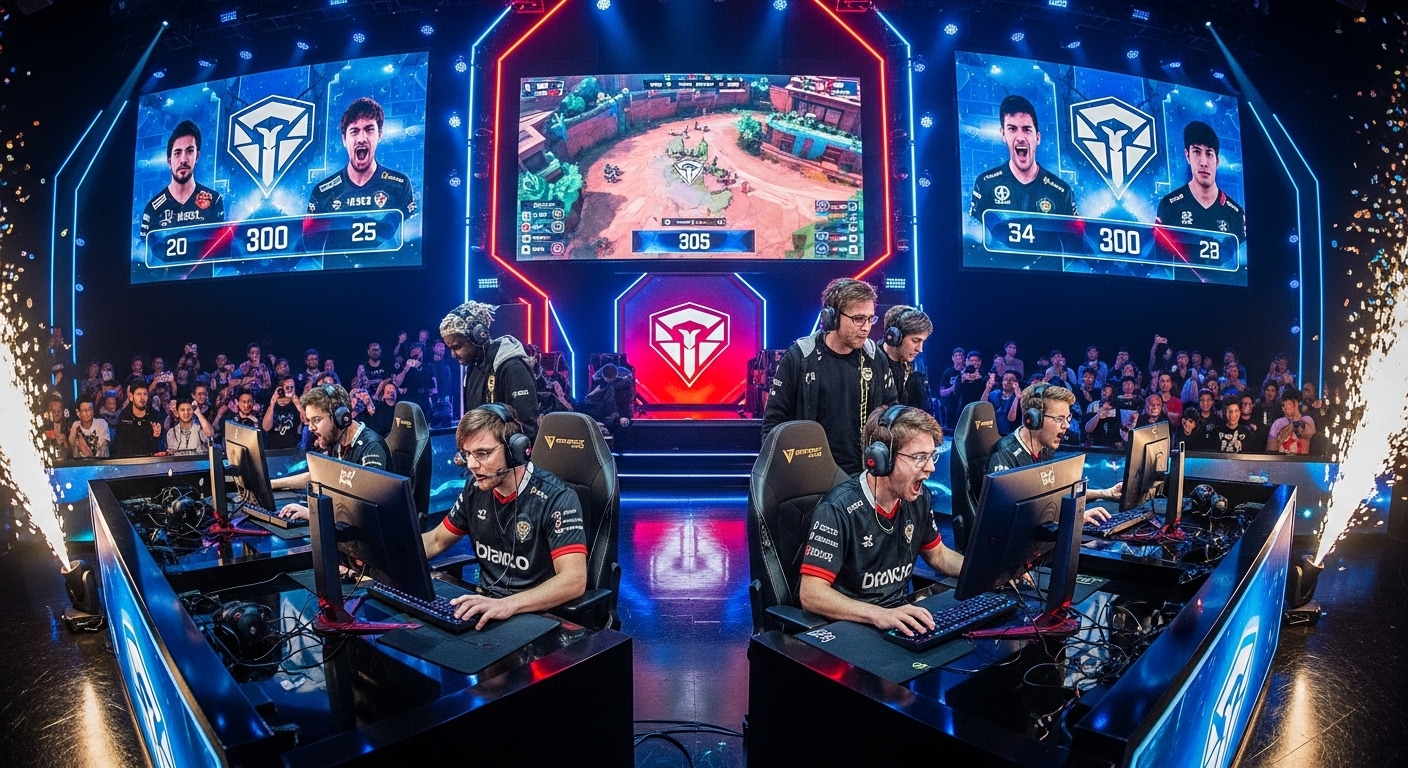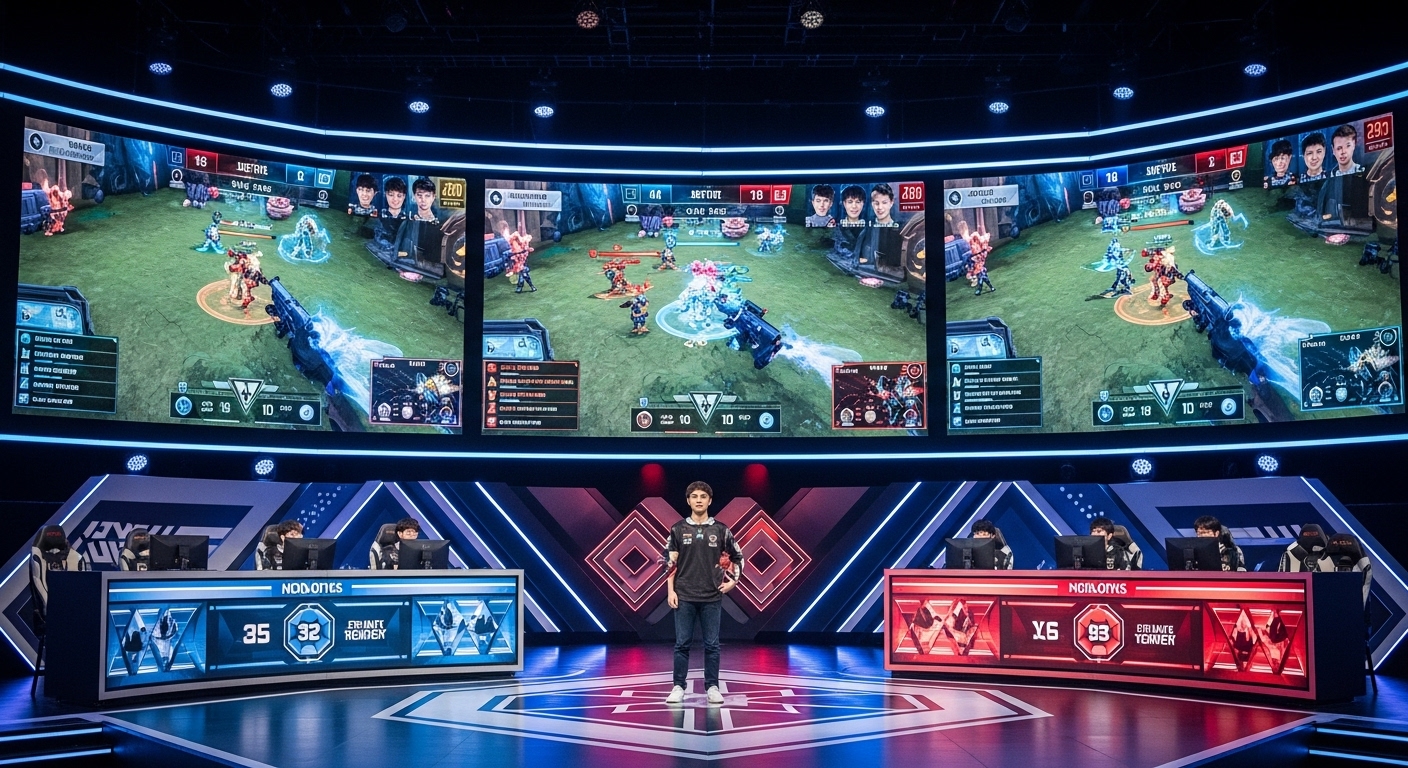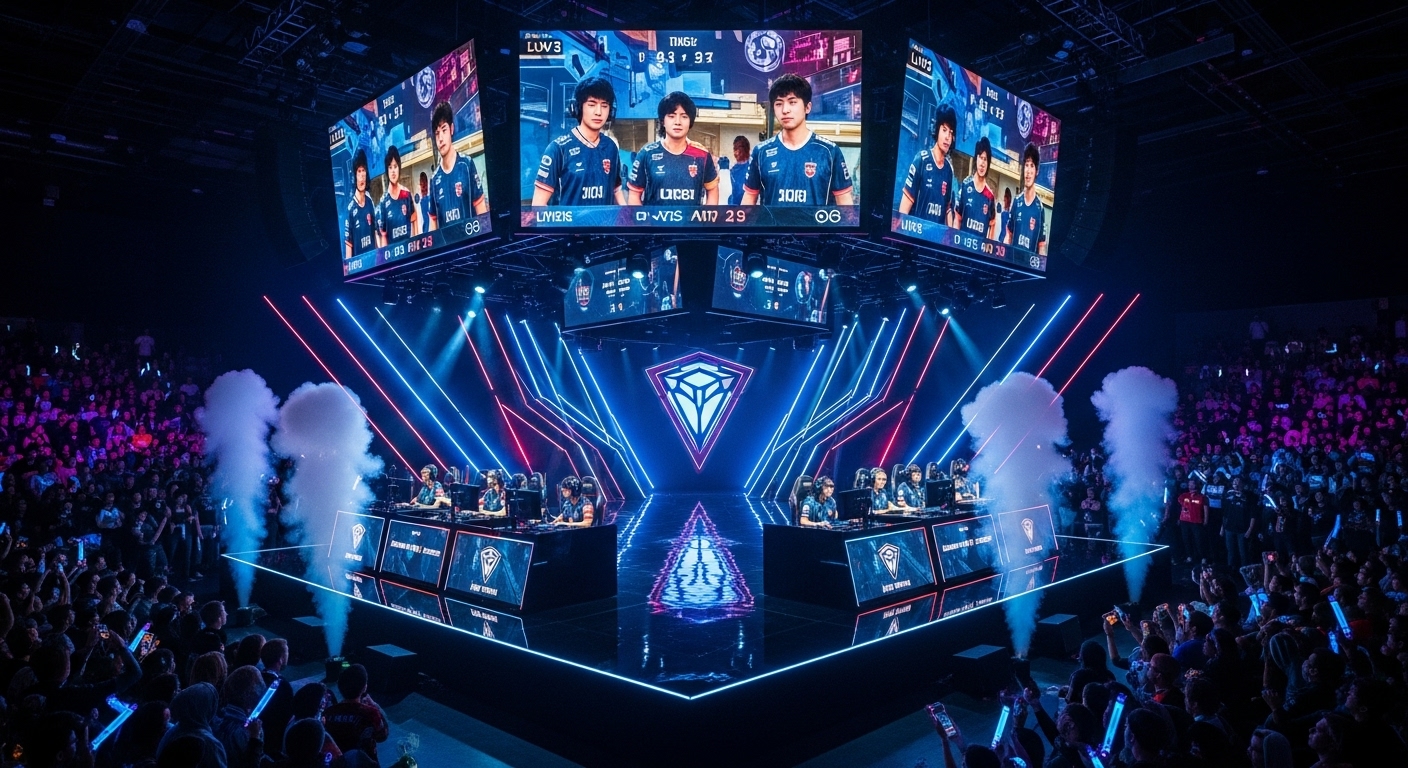
In recent years, esports has skyrocketed from a niche hobby to a multi-billion dollar global industry. Once seen as a pastime for a select few, competitive gaming has now become a major cultural and economic force. With millions of fans, professional players, and even massive sponsorship deals, esports is reshaping the landscape of entertainment in unprecedented ways. But what exactly is esports, and why has it captured the attention of so many? In this post, we’ll explore the evolution of esports, its current impact, and what the future holds for this exciting and rapidly growing phenomenon.
What Is Esports?
At its core, esports refers to organized, multiplayer video game competitions, particularly between professional players, individually or as teams. While competitive gaming has been around for decades, it was the rise of online multiplayer games and streaming platforms that elevated esports into the mainstream. Some of the most popular esports titles include League of Legends, Counter-Strike: Global Offensive, Dota 2, Overwatch, Fortnite, and Call of Duty—games that require not only exceptional skill but also strategy, teamwork, and coordination to succeed.
Esports differs from casual gaming in that it involves a high level of competition, often with substantial cash prizes, professional coaches, analysts, and commentators. These tournaments are broadcasted online, and many are even shown on television networks, attracting millions of viewers across the globe. In addition to the players, teams, and tournaments, the esports ecosystem is also supported by sponsors, broadcasters, event organizers, and a variety of other stakeholders that make this phenomenon possible.
The Evolution of Esports
The Early Days: From Arcade Games to LAN Parties
Esports didn’t emerge overnight; it has a history that traces back to the early days of gaming. Competitive gaming began with arcade games in the late 1970s and early 1980s, with competitions like the Space Invaders Championship in 1980 being one of the first official gaming tournaments. However, it wasn’t until the late 1990s and early 2000s that competitive gaming truly began to take shape with the advent of online multiplayer games.
The first major push for organized esports came with the rise of LAN (Local Area Network) parties, where players would gather in large groups to play against each other in person. Games like StarCraft and Quake became popular in the competitive gaming scene during this time, and the community grew alongside the growing internet infrastructure.
The Internet Age: The Birth of Major Tournaments
The real turning point for esports came in the early 2000s when online multiplayer games became widely accessible, and tournaments began to attract larger audiences. Games like Warcraft III, Counter-Strike, and StarCraft became staples of the competitive gaming world, with events like the World Cyber Games (WCG) and Electronic Sports World Cup (ESWC) drawing international attention.
With platforms like Twitch and YouTube emerging in the mid-2000s, streaming and broadcasting esports events reached new heights. No longer did fans need to attend a physical event to watch their favorite games; they could simply tune in from the comfort of their homes. This shift to online streaming significantly contributed to the rapid growth of esports, turning it into a global phenomenon.
Esports Today: A Multi-Billion Dollar Industry
Today, esports is a multi-billion dollar industry. The biggest tournaments feature prize pools in the millions, with some events like The International (the Dota 2 championship) offering prize pools upwards of $30 million. Players can earn substantial salaries, and many of the most successful esports stars enjoy celebrity-like status. Esports organizations and teams are now recognized brands, with sponsorships from major companies like Coca-Cola, Intel, and Mercedes-Benz.
The streaming platform Twitch remains the central hub for watching esports content, while YouTube has also become a key player in the ecosystem. Additionally, platforms like TikTok and Twitter have helped spread esports culture beyond traditional boundaries, allowing fans and players to interact on a more personal level.
The Emergence of Collegiate Esports and Academic Integration
A significant development in the esports landscape is the integration of esports into universities and colleges. Several institutions now offer scholarships for talented esports players, and some have even built dedicated esports arenas on campus. College esports leagues and tournaments have begun to rival traditional collegiate sports, offering opportunities for students to compete at a high level while earning academic credentials.
Esports and Traditional Sports: A Symbiotic Relationship
While esports is often seen as separate from traditional sports, there are many parallels between the two. Professional esports leagues, like the Overwatch League or League of Legends Championship Series (LCS), are organized similarly to traditional sports leagues, with teams competing in a regular season and playoffs for a championship. This structure has helped attract viewers from traditional sports fans who are familiar with the league-based format.
Moreover, traditional sports organizations and athletes have increasingly recognized the value of esports. Many professional sports teams now have esports divisions, and players like Shaquille O’Neal, Michael Jordan, and Alex Rodriguez have invested in esports teams or tournaments. As the two industries continue to converge, the future of entertainment may involve more crossovers between the digital and physical realms of competition.
The Players: Esports Stars and Their Journey
One of the most fascinating aspects of esports is the players themselves. These are individuals who have honed their skills over thousands of hours of practice, often beginning their careers at a young age. The journey to becoming a professional esports player is not an easy one; it requires dedication, discipline, and a willingness to face intense competition.
Many esports players start their careers in their teens, often rising through the ranks of online gaming communities before being noticed by professional teams or organizations. While the pathway to success varies, players generally must participate in local tournaments, build their personal brands through streaming and social media, and eventually compete at the highest level to secure sponsorships and sign contracts with major esports organizations.
Success in esports doesn’t come without its challenges. The pressure to perform at the highest level can be immense, and players must be prepared to handle intense competition, burnout, and the financial instability that can come with an early career. However, for those who make it to the top, the rewards can be substantial—both financially and in terms of fame and recognition.
The Esports Audience: A Global, Diverse Fanbase
One of the defining characteristics of esports is its audience. Esports has become a truly global phenomenon, with fans from all corners of the world tuning in to watch their favorite players and teams compete. In fact, esports has a broader, younger audience than many traditional sports, with viewers often in their teens and twenties.
This younger demographic is particularly appealing to advertisers and brands, which have increasingly invested in esports sponsorships, partnerships, and advertising. Companies like Amazon, Samsung, and Red Bull have recognized the value of tapping into the esports market, which is expected to continue growing in the coming years.
Furthermore, esports fandom is often driven by a sense of community. Fans support their favorite teams, players, and games through social media, online forums, and live streams, fostering a sense of camaraderie and belonging. The interactive nature of esports—where fans can communicate with players and commentators in real-time—has created a new form of fan engagement that is unique to this space.
The Future of Esports: What Lies Ahead?
As esports continues to grow, it’s difficult to predict exactly where the industry will go. However, there are several key trends that are likely to shape its future:
1. Increased Mainstream Recognition
Esports has already made a major push into the mainstream, but it’s likely that we will see even more integration with traditional media. More tournaments will be broadcast on television networks, and esports coverage may be included in mainstream sports programming.
2. Virtual and Augmented Reality
As technology continues to evolve, virtual reality (VR) and augmented reality (AR) could become more integrated into esports experiences. VR gaming could open up new possibilities for competitive gaming, allowing players to engage in a more immersive and physically interactive way.
3. Esports and Education
As mentioned, collegiate esports is on the rise, and this trend is expected to continue. Schools and universities will increasingly recognize esports as a legitimate career path, offering more programs, scholarships, and career opportunities for students interested in gaming.
4. Diversification of Games
While titles like League of Legends and CS:GO are currently dominant, the esports ecosystem is likely to become more diverse in terms of the games being played professionally. New genres, such as battle royale, mobile gaming, and even virtual sports, are beginning to gain traction in the competitive space.
5. Inclusivity and Diversity
Esports has the potential to break down barriers of race, gender, and nationality. As the industry grows, we may see more efforts to promote diversity and inclusivity, with organizations and events working to create a more welcoming environment for players and fans from all backgrounds.
Conclusion
Esports is not just a passing trend; it’s a cultural revolution that is reshaping the way we view gaming, competition, and entertainment. With millions of players, fans, and an ever-expanding ecosystem of sponsors, broadcasters, and investors, esports is here to stay. Whether you’re a gamer, a fan, or simply curious about the phenomenon, there’s no denying that esports has become a force to be reckoned with in the world of sports and entertainment. The future looks incredibly bright for esports, and we’re only just beginning to scratch the surface of what this industry has to offer.