Introduction: The Rise of a New Sport
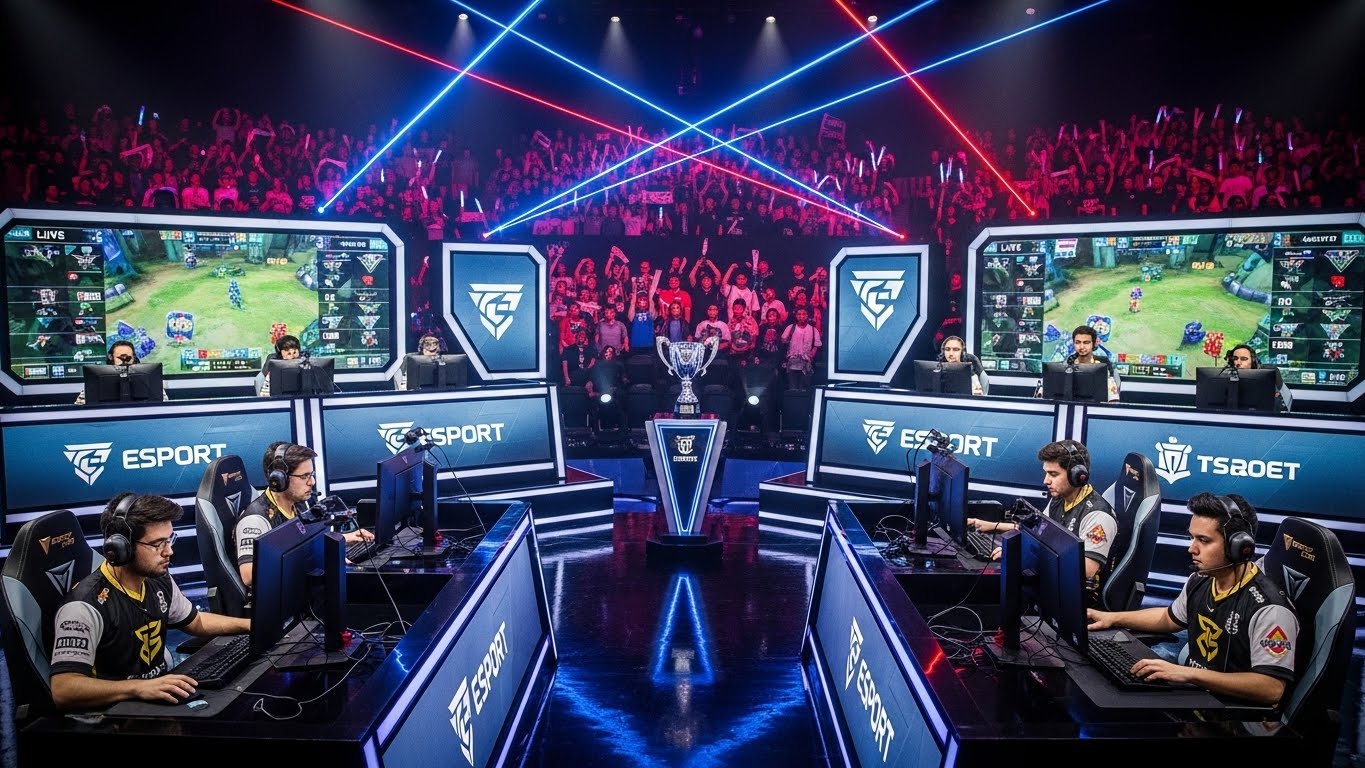
Esports has emerged as one of the most revolutionary trends in modern entertainment. What was once a pastime for enthusiasts has evolved into a global industry that rivals traditional sports in viewership, sponsorship, and cultural impact. Competitive gaming is no longer limited to arcades or living rooms; it has become a legitimate career path and a form of professional competition that requires skill, strategy, teamwork, and mental endurance. Today, millions of fans watch esports tournaments live, while players and teams operate within an ecosystem as complex and competitive as professional football or basketball. The digital arena has redefined what it means to be an athlete and what it means to compete in the modern age.
The Origins of Competitive Gaming
The history of esports dates back to the early 1970s when video games first began to gain popularity in academic and recreational settings. In 1972, a tournament at Stanford University featuring the game Spacewar is considered one of the earliest recorded gaming competitions. During the 1980s, arcade games such as Pac-Man, Donkey Kong, and Street Fighter brought people together, encouraging players to compete for high scores and local recognition. As personal computers and home gaming consoles became more widespread in the 1990s, competitive multiplayer games such as Doom, Quake, and StarCraft introduced the concepts of strategy, teamwork, and high-level play. These early competitions laid the foundation for the professional esports leagues that would emerge in the following decades.
Professionalization of Esports
The 2000s marked the beginning of esports as a professional pursuit. Countries like South Korea transformed competitive gaming into a respected career, particularly through StarCraft tournaments that were broadcast on national television. Players became celebrities, and sponsorships helped support teams and tournaments. In the United States and Europe, leagues such as Major League Gaming and the World Cyber Games began to organize competitive events for titles like Counter-Strike, Halo, and Warcraft. This era introduced professional teams, coaching, structured practice schedules, and organized tournaments. Gaming became more than a hobby; it was now a viable career path for skilled players willing to commit time, energy, and strategy to mastering their craft.
The Streaming Revolution
The 2010s brought a transformative change with the rise of live streaming platforms. Services such as Twitch and YouTube Gaming allowed fans to watch players compete in real time, interact through chat, and participate in online communities. Unlike traditional sports broadcasts, streaming provided a more intimate, interactive experience, giving viewers a sense of connection with their favorite players. High-profile tournaments for games like Dota 2, League of Legends, and Fortnite attracted millions of viewers worldwide, rivaling traditional sports audiences. Streaming not only increased the popularity of esports but also created opportunities for players to build personal brands and engage directly with fans, further solidifying the cultural impact of competitive gaming.
Skills, Strategy, and Mental Endurance
Esports demands a unique combination of technical skill, strategic thinking, and mental toughness. Professional players spend hours each day refining mechanics, studying opponents, and developing game-specific strategies. Reflexes, hand-eye coordination, and reaction time are essential, but cognitive flexibility—the ability to adapt to rapidly changing situations—is equally critical. Team-based games emphasize communication, coordination, and collaboration, while individual competitions test decision-making under pressure. Mental endurance is particularly important in high-stakes tournaments where one mistake can cost a match. The intensity and precision required in esports make it comparable to traditional sports in terms of discipline, preparation, and skill.
Economic Impact of Esports
Esports has grown into a billion-dollar industry with multiple revenue streams. Sponsorships, advertising, media rights, ticket sales, and merchandise sales contribute to a thriving global ecosystem. Brands across various sectors, from technology to fashion, invest in esports to reach digitally engaged audiences. Cities worldwide host tournaments, recognizing the potential for tourism, media coverage, and economic activity. Professional esports organizations operate like traditional sports franchises, managing player contracts, coaching staff, and marketing initiatives. The financial success of esports illustrates that competitive gaming has matured into a sustainable, profitable industry that continues to attract investment and attention worldwide.
Cultural Significance
Esports has become a cultural phenomenon that extends beyond competition. It represents the interests and values of a generation raised in the digital age. Fans engage with esports through live streaming, social media, fan art, cosplay, and online communities. Professional players have become influencers and role models, shaping trends, fashion, and digital culture. Inclusivity has also become an important aspect, with more opportunities for women, LGBTQ+ players, and individuals from diverse backgrounds to participate and gain recognition. Esports fosters global communities, bringing people together across geographic, cultural, and linguistic barriers. Its influence is evident not only in entertainment but also in lifestyle, education, and technology.
Technological Advancements Driving Esports
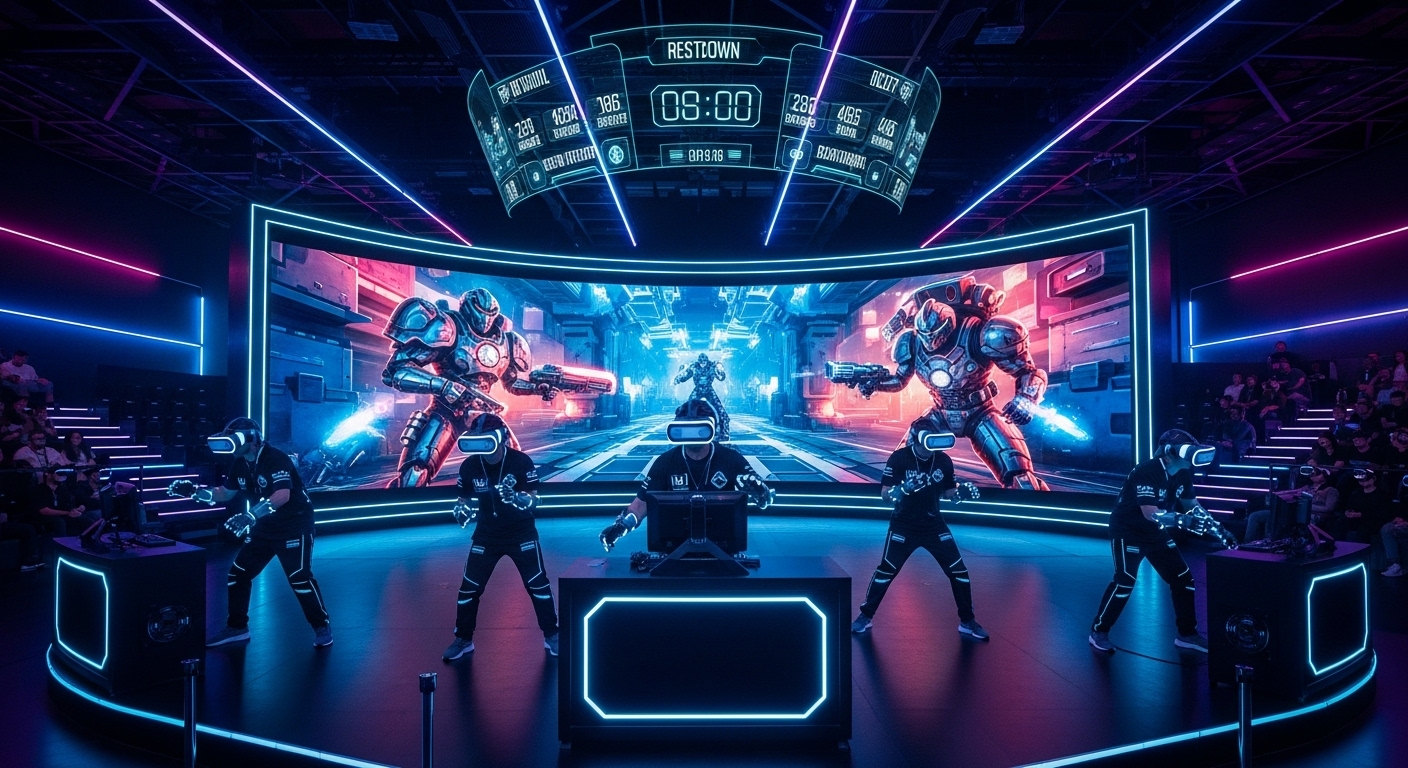
Technology has been central to the growth of esports. High-speed internet, advanced gaming hardware, and precision peripherals allow players to perform at elite levels. Emerging technologies such as virtual reality, augmented reality, and cloud gaming are expanding the possibilities for competition and audience engagement. Artificial intelligence and data analytics are increasingly used to analyze gameplay, improve strategy, and enhance training. Streaming technology continues to evolve, providing immersive viewing experiences with real-time statistics, multi-angle broadcasts, and interactive features. Technological innovation ensures that esports remains at the cutting edge of both entertainment and competition, continuously raising the bar for players and audiences alike.
Challenges in the Esports Industry
Despite its rapid growth, esports faces several challenges that must be addressed to ensure sustainability. Player burnout is a serious concern, as competitive schedules can exceed ten hours of daily practice, leading to physical and mental strain. Regulatory issues, such as contract enforcement, transfers, and tournament rules, vary by region and complicate professional play. Cheating, match-fixing, and gambling scandals occasionally threaten the integrity of competition. Gender inequality and harassment remain persistent issues, despite efforts to promote inclusivity. Addressing these challenges through policy development, player support, and industry-wide standards is critical to the continued growth and credibility of esports.
Education and Esports
Esports has begun to establish a presence in education, with universities and schools offering programs, scholarships, and competitive teams. These initiatives teach skills such as leadership, teamwork, strategic thinking, and communication. Esports also encourages interest in STEM fields, as players and students engage with game design, software development, and data analysis. By integrating esports into academic programs, institutions provide students with career pathways in professional gaming, broadcasting, event management, and technology industries. Educational esports programs demonstrate that competitive gaming can be both a learning tool and a platform for personal growth, expanding the industry’s influence beyond entertainment.
The Future of Esports
The future of esports is filled with growth, innovation, and cultural significance. Discussions about including esports in the Olympics and other multi-sport events reflect its increasing legitimacy. Emerging technologies, such as mobile esports, virtual reality, and augmented reality, are making competitive gaming more accessible and immersive. As the industry matures, better governance, player protections, and ethical standards will strengthen its credibility. Esports is likely to continue expanding globally, connecting players, fans, and organizations in ways that transcend borders. The digital arena is set to become a permanent feature of the sports and entertainment landscape, demonstrating that competition is evolving alongside technology.
Conclusion: Redefining Competition in the Modern Age
Esports has redefined what it means to compete in the modern era. It combines skill, strategy, technology, teamwork, and mental resilience to create a unique form of athleticism. From its early days in arcades and college competitions to its current status as a billion-dollar industry with global tournaments and celebrity players, esports shows the power of digital innovation and human creativity. It unites communities, creates opportunities, and inspires a generation of players and fans. As technology continues to advance and the global audience grows, esports is poised to remain at the forefront of competition, entertainment, and cultural influence, proving that the digital arena is as significant as any physical stadium.