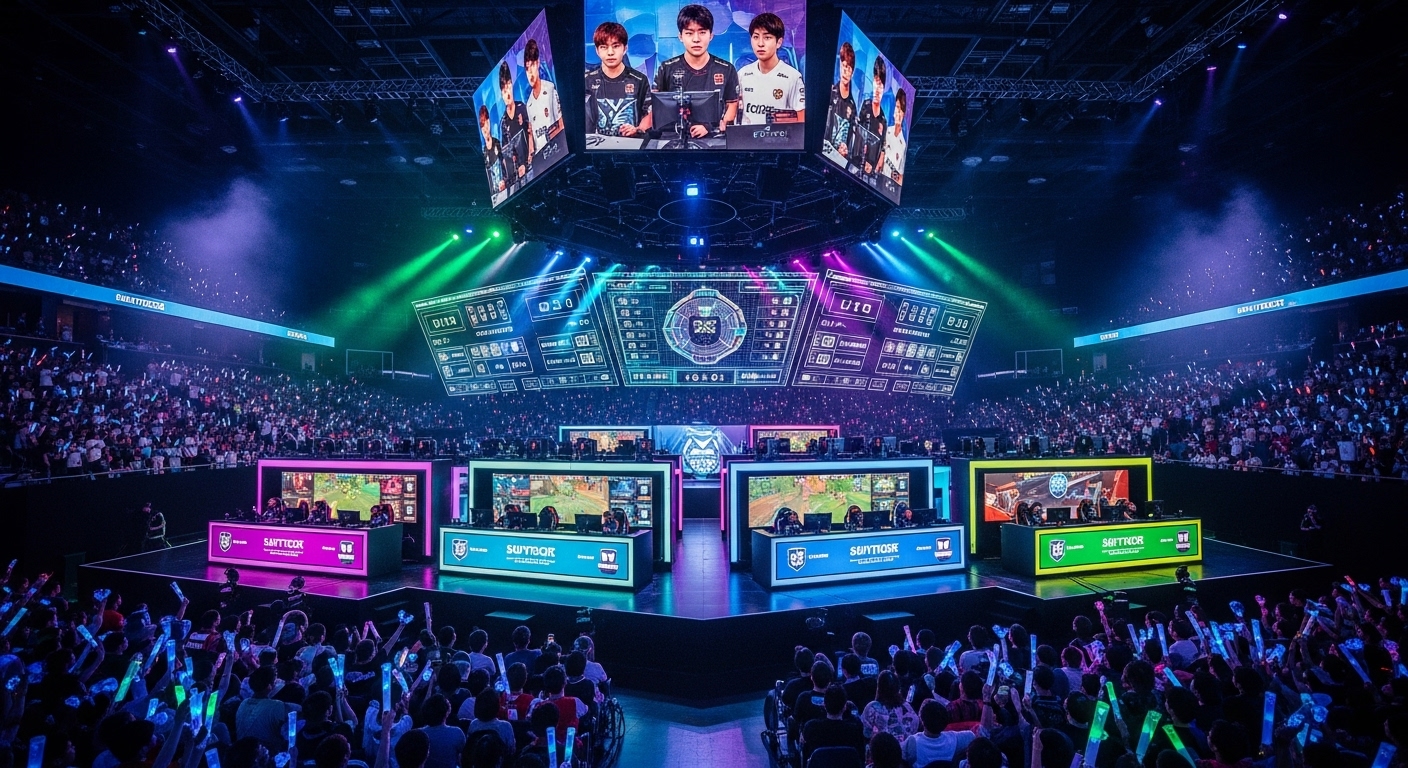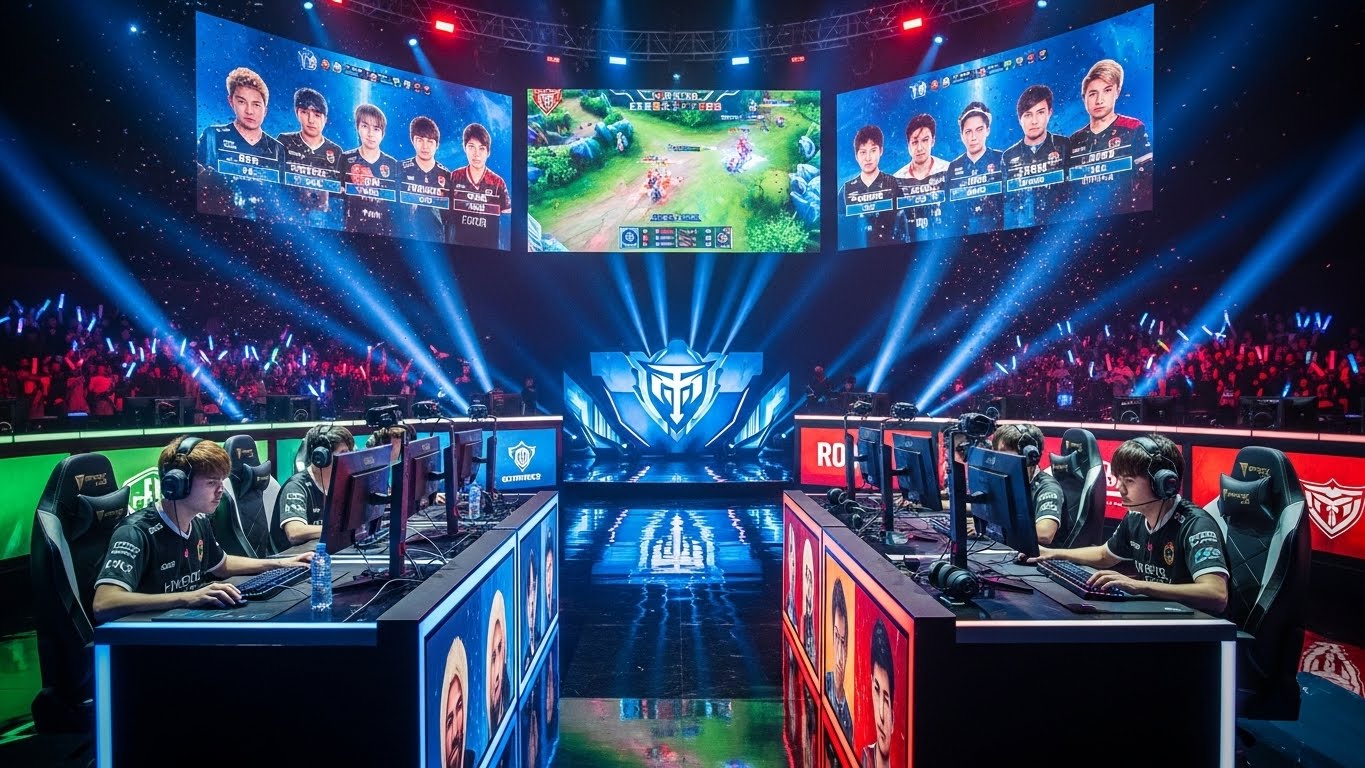
In the last two decades, the world of esports has evolved from a niche hobby into a global phenomenon. What was once considered a pastime for tech enthusiasts and hardcore gamers has now become a multi-billion-dollar industry, complete with professional leagues, sponsorships, and millions of dedicated fans. Esports, or electronic sports, refers to organized, multiplayer video game competitions, often between professional players, individually or as teams, and it is rapidly gaining recognition as a legitimate sport.
The rise of esports is a story of how gaming culture, technological advancements, and changing societal trends have converged to create a competitive entertainment arena that is as exciting and dynamic as any traditional sport. In this blog, we will explore the growth of esports, the factors driving its success, the impact it has had on entertainment and culture, and what the future may hold for competitive gaming.
The Birth and Evolution of Esports
Esports is not a new concept. Competitive gaming dates back to the early days of video games when arcades hosted local tournaments and competitions. The first known esports tournament took place in 1972 at Stanford University, where participants competed in a game called Spacewar! to win a subscription to Rolling Stone magazine. However, esports as we know it today truly began to take shape in the late 1990s and early 2000s, with the advent of online multiplayer games and the rise of broadband internet.
One of the first games to attract a significant competitive following was StarCraft, released in 1998 by Blizzard Entertainment. In South Korea, StarCraft quickly became a cultural phenomenon, leading to the formation of dedicated esports leagues and television broadcasts. The success of StarCraft in South Korea set the stage for the global expansion of esports, with games like Warcraft III, Counter-Strike, Dota, and later League of Legends and Overwatch capturing the attention of players and fans alike.
During the 2010s, the rise of streaming platforms like Twitch and YouTube accelerated the growth of esports. These platforms allowed players to broadcast their gameplay and connect with a global audience, leading to the creation of dedicated fan bases and communities. Streaming also gave birth to the concept of content creators, who not only competed but also entertained and educated viewers on strategies, tips, and trends in the gaming world. Esports began to blur the lines between gaming and entertainment, creating a new form of digital media consumption.
Key Factors Driving the Growth of Esports
Several factors have contributed to the meteoric rise of esports. These include advancements in technology, the shift in cultural perceptions, and the role of social media. Here are the primary reasons behind the success of esports:
1. Technological Advancements
The rapid development of technology has been one of the driving forces behind the growth of esports. Improved internet infrastructure, the rise of high-speed broadband, and advancements in gaming hardware such as more powerful graphics cards have all contributed to the seamless and immersive gaming experiences that are now a staple of competitive gaming.
Cloud gaming services, such as Google Stadia and Microsoft’s Xbox Cloud Gaming, are expected to further revolutionize the way esports is experienced. With low-latency gameplay and minimal hardware requirements, these services make it easier for players from all around the world to compete in high-quality matches, regardless of their location.
2. Accessibility of Online Streaming Platforms
Online streaming platforms like Twitch, YouTube, and Facebook Gaming have played a major role in making esports more accessible to a global audience. Twitch, in particular, has become the hub for esports content, with millions of viewers tuning in to watch live tournaments, casual streams, and even behind-the-scenes content. These platforms allow viewers to connect with players, teams, and commentators in real-time, creating a more interactive experience.
The accessibility of online streaming means that people can follow esports from the comfort of their own homes, and fans can engage with their favorite players and teams, boosting the sense of community and involvement.
3. Professionalization and Investment
Esports has transitioned from a hobbyist activity to a professional sport, with large-scale tournaments offering multi-million-dollar prize pools. Major game publishers and developers have invested heavily in organizing leagues, events, and competitive infrastructure. Companies like Riot Games (the developer of League of Legends) and Valve (the creator of Dota 2) have created robust competitive ecosystems that attract sponsorships, media coverage, and investments from big-name brands.
The financial growth of esports has been significant. According to a report from Newzoo, the global esports industry is projected to generate over $1.5 billion in revenue by 2023, with sponsorships and advertising accounting for the majority of that revenue. This financial influx has allowed esports to offer professional salaries and benefits, making it a viable career option for top players.
The Esports Ecosystem: Teams, Leagues, and Tournaments
The esports ecosystem is complex and multifaceted, with various layers including professional teams, players, event organizers, and streaming platforms. In many ways, it mirrors traditional sports, with leagues and tournaments acting as the focal points for competition.
Professional Teams and Players
Esports has given rise to a new generation of professional athletes, albeit in a digital realm. Just like traditional sports, esports players are highly skilled individuals who dedicate years of practice and training to reach the highest levels of competition. These players often start their careers at a young age and may spend as much time practicing as professional athletes in any other sport.
Top esports players can make substantial incomes through tournament winnings, sponsorship deals, streaming, and personal brand endorsements. Just like in traditional sports, esports players may also have coaches, analysts, and support staff to help them improve their skills and performance.
Professional esports teams are similar to traditional sports teams, with players joining organizations that represent them in various tournaments. These teams often have branded uniforms, dedicated practice facilities, and coaching staffs, further solidifying the professional nature of esports.
Leagues and Major Tournaments
Esports leagues and tournaments serve as the centerpiece for competition, where the best players and teams come together to compete for large prizes and global recognition. Some of the most prestigious leagues and tournaments in esports include the League of Legends World Championship, The International (Dota 2), the Overwatch League, and CS:GO Majors. These events attract millions of viewers, both in-person and online, and feature intense competition that showcases the incredible skill of the players involved.
Tournaments like The International and League of Legends World Championship offer prize pools that rival those of traditional sports events. For example, The International 2021 had a prize pool of over $40 million, with the winning team taking home a substantial portion of the total amount. These tournaments are often broadcast live on streaming platforms, with commentators and analysts providing in-depth coverage and analysis of the action.
Sponsorships and Media Partnerships
Just like traditional sports, esports has attracted major sponsorships from global brands. Companies such as Coca-Cola, Intel, and Nike have all invested in esports sponsorships, recognizing the potential of the industry to connect with young, tech-savvy consumers. These brands not only sponsor tournaments and teams but also collaborate with players to create branded content that resonates with the esports audience.
Media partnerships are also a crucial part of the esports ecosystem. Major broadcasting networks, such as ESPN and TBS, have started airing esports events, bringing competitive gaming into the mainstream. The increasing media coverage of esports helps to elevate the visibility of the industry and showcase its potential as a legitimate form of entertainment.
Esports and Its Cultural Impact
The rise of esports has had a profound cultural impact, changing the way people view gaming, entertainment, and competition. Esports has become an integral part of youth culture, influencing fashion, music, and social media trends. Top players and teams have become celebrities in their own right, with millions of fans following their every move.
Esports has also brought gaming into the mainstream, helping to break down the stereotypes that have traditionally associated gaming with isolation and unhealthy behavior. Competitive gaming fosters teamwork, strategic thinking, and problem-solving skills, much like traditional sports.
The rise of esports has also helped to promote diversity and inclusion within the gaming community. Women, people of color, and individuals from all walks of life are making their mark in the esports world, contributing to the growing sense of community and acceptance within the industry.
The Future of Esports
The future of esports looks incredibly promising. As technology continues to evolve and the infrastructure surrounding competitive gaming improves, esports will likely become even more mainstream. The rise of virtual and augmented reality technologies could lead to entirely new forms of competitive gaming, where players interact with virtual environments in ways that were once thought impossible.
In addition, the integration of esports into traditional sports broadcasting networks could further elevate its status as a legitimate sport. With continued investment from both players and sponsors, esports has the potential to become a key player in the global sports entertainment market.
As esports continues to grow, it will face challenges such as regulation, player health, and maintaining its integrity in an increasingly commercialized environment. However, if the past few years are any indication, esports will remain a dominant force in the world of entertainment for years to come.
Conclusion: A New Era in Competitive Entertainment
Esports has emerged as one of the most exciting and rapidly growing industries in the world. Its rise has been fueled by technological advancements, increased investment, and a cultural shift towards gaming as a form of mainstream entertainment. With millions of players, fans, and spectators around the globe, esports has firmly established itself as a legitimate sport and a key part of digital culture.
As the esports industry continues to evolve, it will undoubtedly face new challenges and opportunities. Whether you’re a casual viewer, a professional player, or simply someone interested in the world of gaming, one thing is clear: the future of esports is bright, and it’s just getting started.