In the last decade, competitive gaming has transformed from a niche hobby into a multi-billion dollar global industry. Esports, as it is now widely known, has evolved at an astonishing pace, attracting millions of players, viewers, and investors from around the world. The rapid growth of esports not only highlights the changing landscape of entertainment but also marks a cultural shift in how people perceive gaming and competition. This blog explores the rise of esports, its impact on the gaming community, and its future potential.
The Birth of Esports
Esports, or electronic sports, refers to competitive video gaming at a professional level, often involving organized tournaments, leagues, and high-stakes competitions. While gaming competitions have existed since the early days of video games, it wasn’t until the late 1990s and early 2000s that the concept of esports began to take shape.
The first major esports tournament was the “Red Annihilation” tournament held in 1997 for the game Quake. However, it was the launch of StarCraft in the late 1990s and Warcraft III in the early 2000s that sparked a shift toward organized, televised tournaments, particularly in South Korea. StarCraft’s success, in particular, played a pivotal role in making esports a viable and legitimate form of competition.
The early 2000s saw the formation of several professional gaming leagues, such as the World Cyber Games (WCG) and the Electronic Sports World Cup (ESWC). These events helped establish esports as an emerging sport, particularly in Asia, where countries like South Korea, China, and Japan became hotbeds for competitive gaming. The foundations were laid, but it wasn’t until the explosion of live-streaming platforms like Twitch in the 2010s that esports began to reach a truly global audience.
The Growth of Esports: A Cultural Shift
Esports experienced explosive growth in the 2010s, driven by a combination of technological advancements, greater access to high-speed internet, and an increasingly connected world. The rise of streaming platforms such as Twitch and YouTube Gaming allowed fans to watch live competitions from anywhere, and the demand for content surrounding esports grew rapidly. Professional players were able to build massive online followings, which in turn attracted sponsorships, endorsements, and media deals.
The popularity of games like League of Legends, Dota 2, Counter-Strike: Global Offensive, and Overwatch further fueled the growth of esports. Tournaments for these games often offered multi-million-dollar prize pools, with The International (Dota 2’s premier tournament) and the League of Legends World Championship drawing millions of viewers each year. The increased visibility of esports attracted a wide range of people from different demographics, including young adults, teenagers, and even older generations, many of whom had never considered gaming as a legitimate form of entertainment before.
Esports became more than just a form of entertainment; it became a cultural movement. Major organizations, media outlets, and even sports teams began investing heavily in the esports ecosystem. Traditional sports franchises like the New York Knicks and the Dallas Cowboys formed their own esports teams, signaling a shift in how esports was perceived in the broader world of sports and entertainment.
The Professionalization of Esports
One of the key elements driving the rise of esports is its increasing professionalism. Unlike the early days of gaming competitions, today’s esports players are highly trained professionals who dedicate countless hours to perfecting their skills. Many esports players have contracts with organizations that provide coaching, team management, and other resources typically associated with professional sports teams.
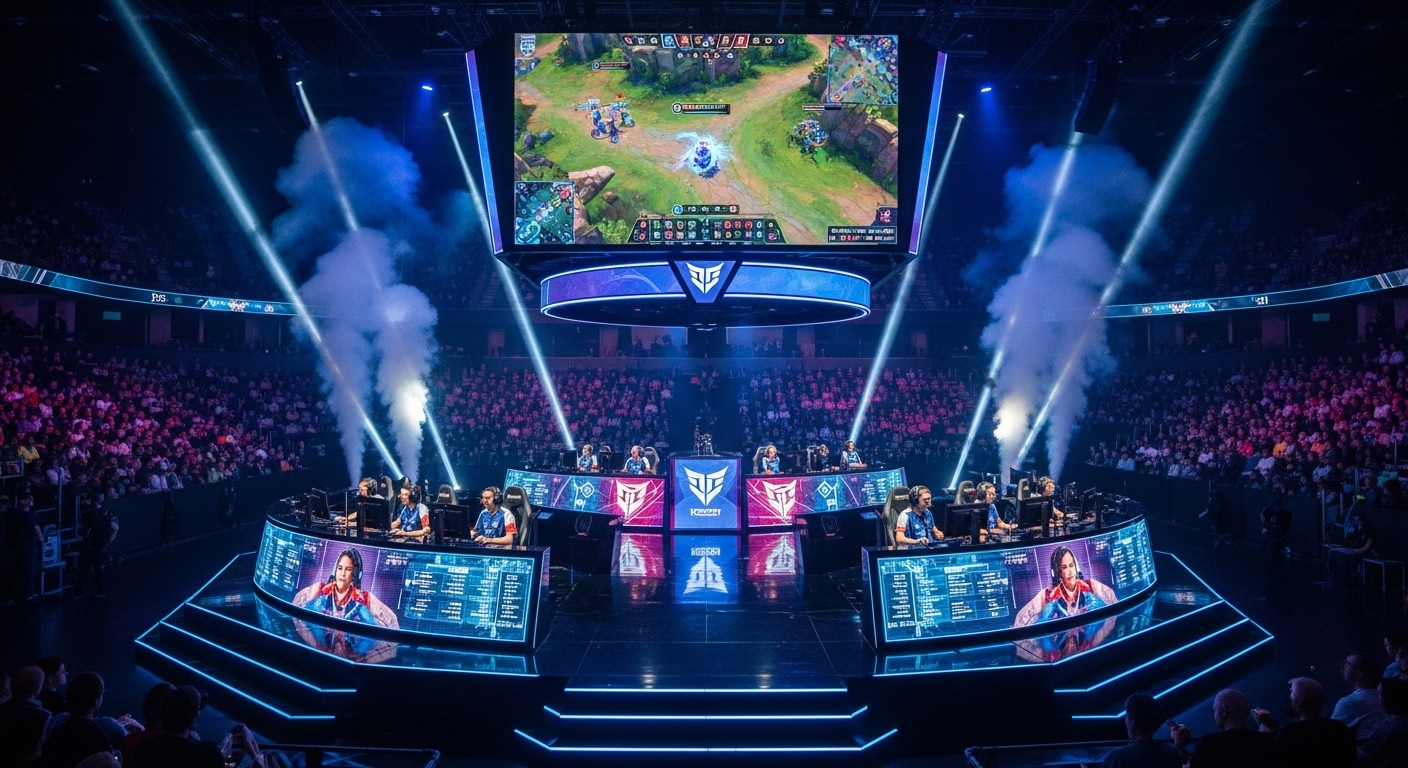
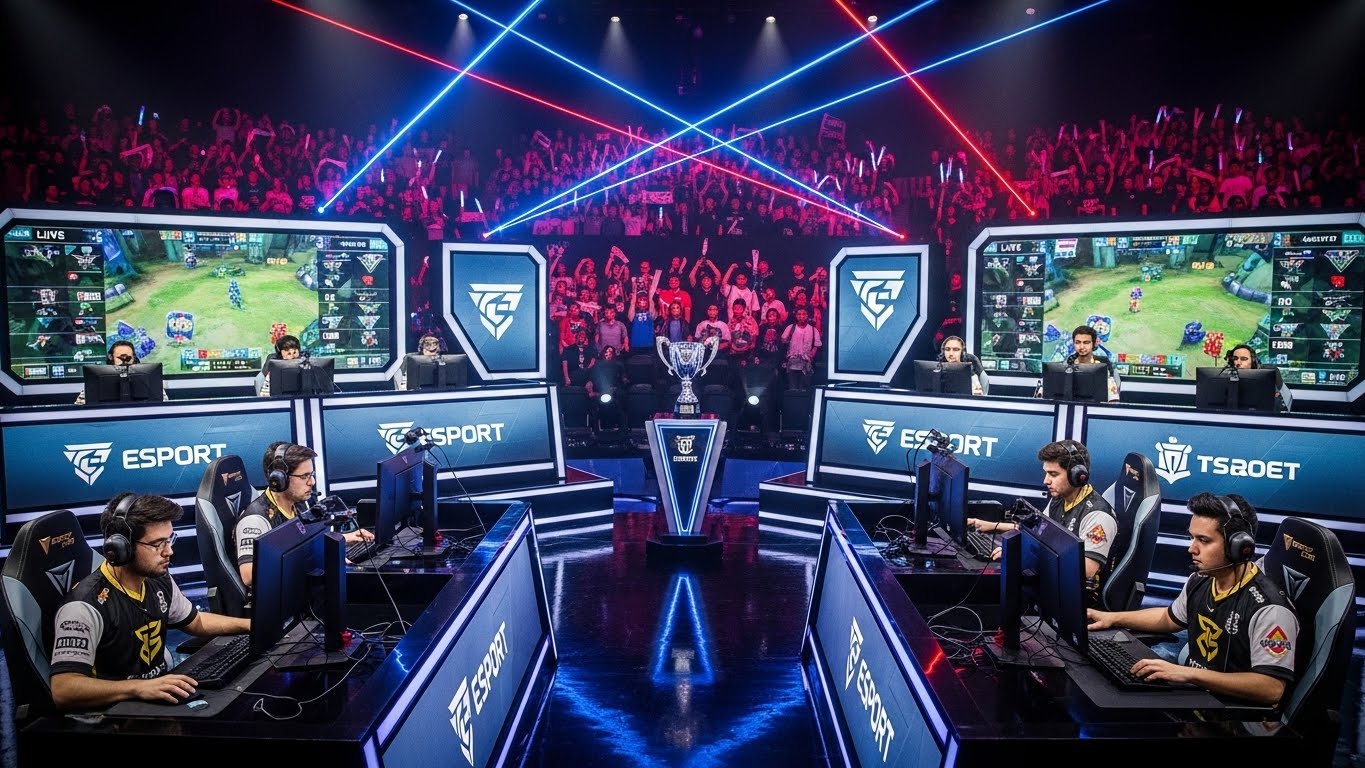
The level of competition in esports has also reached new heights. Major tournaments are now held in large arenas, with professional players competing in front of live audiences while millions more watch online. These events are often streamed in multiple languages, ensuring a global reach. The production values of esports events rival those of traditional sports, with commentators, analysts, and live coverage of matches that rival the excitement of football or basketball.
In addition to the players and teams, the esports industry has also seen the rise of coaches, analysts, and broadcasters, all contributing to the broader esports ecosystem. These individuals help manage the teams, analyze gameplay strategies, and provide live commentary during competitions. The ecosystem is now fully integrated, with every role playing a part in ensuring that esports events run smoothly and offer an engaging experience for viewers.
The Business of Esports
Esports is big business. In 2023, the global esports market was valued at over $1 billion and is expected to continue growing exponentially in the coming years. This growth is driven by multiple revenue streams, including sponsorships, media rights, advertising, ticket sales, and merchandise. The investment in esports from large corporations and major brands is a testament to its increasing mainstream appeal.
Sponsorship deals are a significant source of revenue for esports organizations and players. Companies like Coca-Cola, Intel, Nike, and Samsung are among the many brands that sponsor esports teams, tournaments, and players. These sponsorships not only provide financial backing but also help increase the visibility of esports within the wider entertainment and sports industries.
Media rights are another crucial aspect of the esports business. Just like traditional sports leagues, esports tournaments sell broadcasting rights to media networks, which in turn air the events to millions of viewers. Major networks like ESPN and Fox Sports have started to broadcast esports events, recognizing the large, dedicated audiences that follow these competitions.
In addition to corporate sponsorships and media rights, esports organizations are also making money through ticket sales for live events, merchandise sales, and fan engagement platforms. For example, the League of Legends World Championship attracts tens of thousands of fans to stadiums, and millions more watch the event online.
The rise of esports betting has further fueled its commercial potential. Online sportsbooks now offer betting markets for major esports tournaments, allowing fans to place wagers on their favorite teams and players. This has created an entirely new revenue stream and adds an element of excitement to the competitions.
Esports and the Future of Gaming
Looking ahead, esports shows no signs of slowing down. As the gaming industry continues to grow, esports will likely become an even more integral part of the entertainment ecosystem. The future of esports is poised to evolve in several ways.
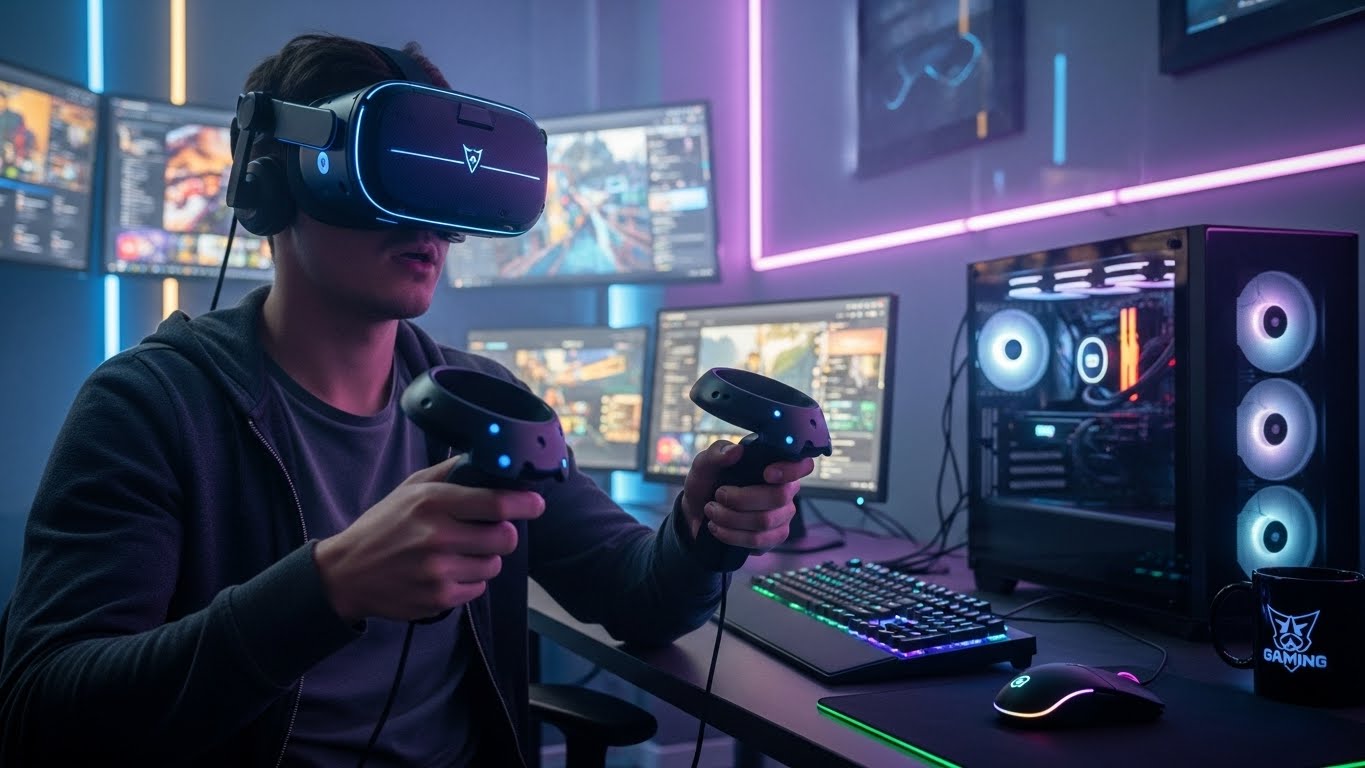
One of the most exciting trends is the potential integration of virtual and augmented reality (VR/AR) technologies into esports. As VR and AR become more mainstream, they could provide new opportunities for immersive esports experiences. Fans could watch live tournaments from the perspective of their favorite player or experience the action firsthand in virtual reality, further enhancing the sense of immersion and excitement.
Another area of growth is the expansion of esports into new regions and markets. While esports has largely been driven by North America, Europe, and Asia, there is increasing interest in Latin America, the Middle East, and Africa. These regions are rapidly adopting esports, with local tournaments, teams, and leagues popping up in response to growing demand.
Additionally, esports is becoming an increasingly important part of the educational system. Some universities and colleges now offer esports scholarships, and there are even dedicated esports degree programs. Competitive gaming is being recognized as a legitimate career path, and many young players are now looking to turn their passion for gaming into a full-time profession.
Esports and Society
Esports has had a significant impact on the broader cultural landscape. It has helped to normalize gaming as a form of entertainment and competition, shifting public perceptions of gaming from something that was once considered a pastime for “nerds” to a legitimate career path and sport. This cultural shift has helped validate the efforts of gamers and esports players, who were once marginalized but are now celebrated and supported by a massive global community.
Esports has also become a powerful force for social connectivity. Fans from all over the world are able to engage with each other through online platforms, social media, and live streams, forming communities around shared interests and passions. Esports has the potential to bring people together across cultural and geographic boundaries, creating a sense of belonging and unity among players and fans alike.
Moreover, esports has demonstrated the power of diversity and inclusion. Players from various backgrounds, genders, and nationalities compete on equal footing, challenging traditional stereotypes about who can be a professional gamer. As the industry continues to grow, there is increasing recognition of the importance of promoting inclusivity and providing opportunities for all individuals to participate in the esports ecosystem.
Conclusion
Esports is no longer a passing trend; it is a global phenomenon that is reshaping the world of competitive gaming and entertainment. From its humble beginnings to its current status as a multi-billion-dollar industry, esports has made significant strides in terms of professionalism, visibility, and cultural acceptance. As the industry continues to grow and evolve, there is little doubt that esports will continue to play a major role in the future of entertainment. Whether you’re a casual viewer, a hardcore fan, or an aspiring professional player, esports offers something for everyone and is undoubtedly here to stay.