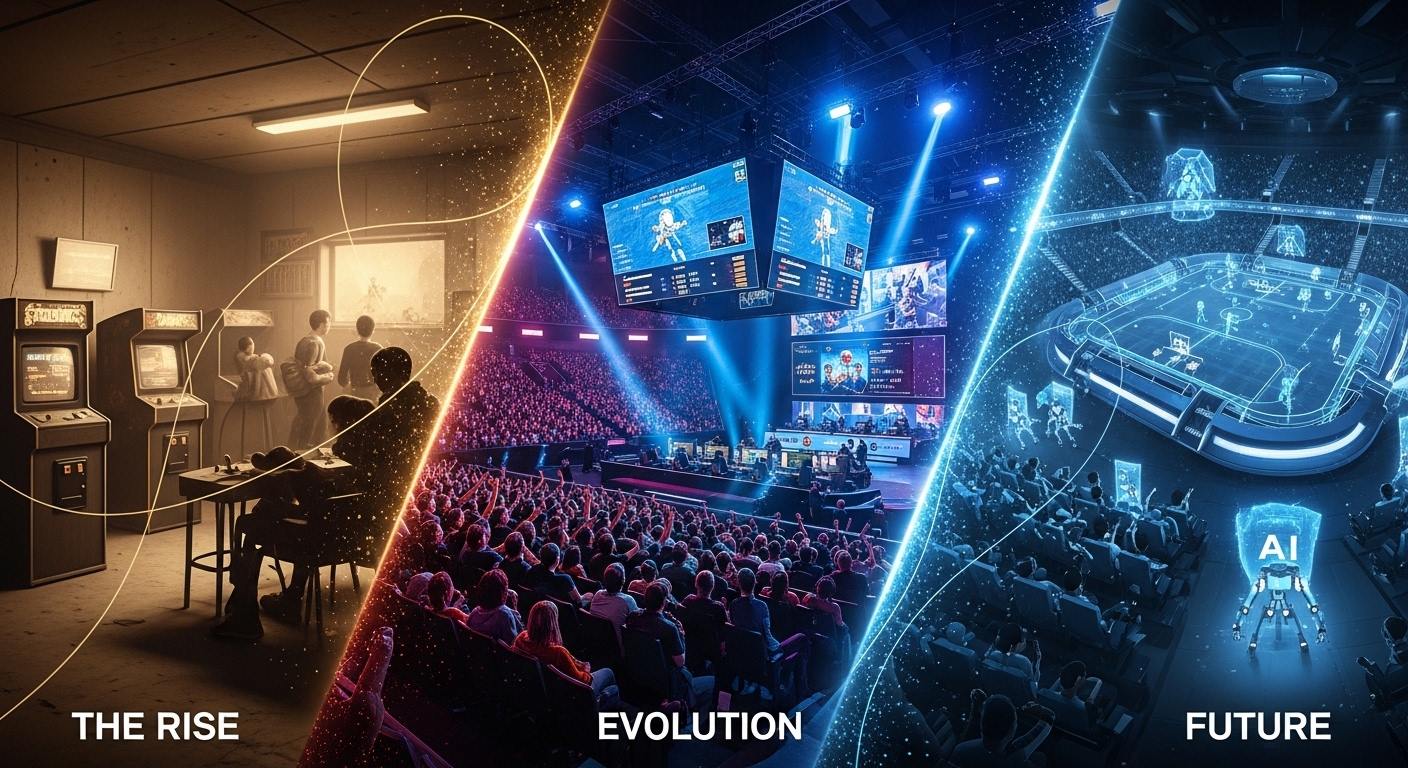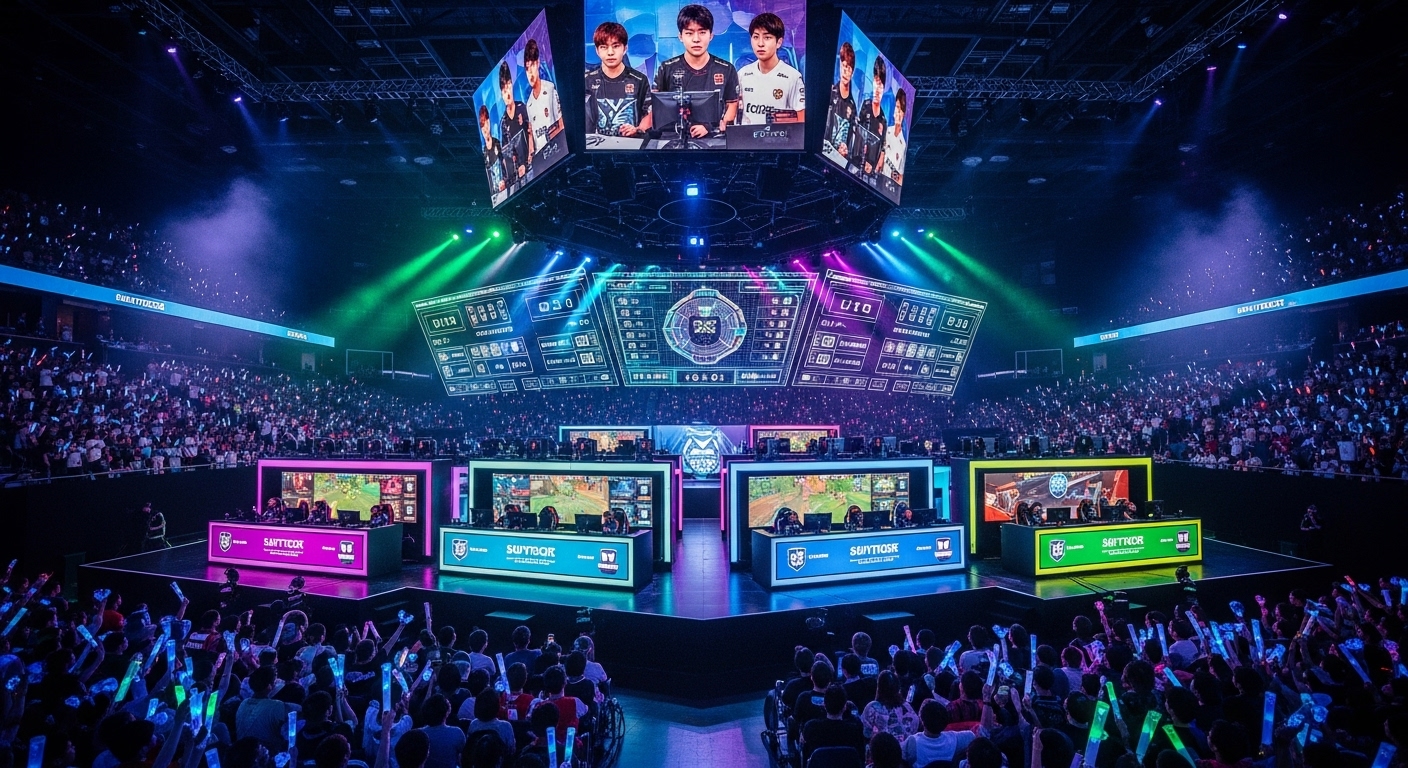
The esports industry has seen explosive growth over the past decade, evolving from niche competitions into a global entertainment phenomenon. This growth has attracted the attention of technology companies, who recognize esports as a platform to showcase innovation, reach a young and tech-savvy audience, and push the boundaries of gaming experiences. Collaborations between esports and tech firms go beyond sponsorships—they often include infrastructure support, hardware development, software optimization, and immersive fan engagement initiatives.
This blog explores the best collaborations between esports and tech firms, highlighting partnerships that have advanced the competitive scene and demonstrated the power of technology in esports.
Why Tech Firms Partner with Esports
Tech companies view esports as a strategic avenue to showcase their products and innovations while tapping into a rapidly expanding global market. Key reasons for these collaborations include:
- Showcasing Cutting-Edge Technology: Esports demands high-performance hardware, low-latency networks, and advanced software, making it ideal for demonstrating technology in action.
- Building Brand Awareness: Tech firms reach highly engaged, younger audiences through competitive gaming.
- Supporting Professional Infrastructure: Sponsorship and collaboration help teams and tournaments maintain top-tier standards.
- Driving Innovation: Esports offers a testing ground for new gaming technologies, peripherals, and software solutions.
These partnerships often result in mutually beneficial outcomes, improving both the esports ecosystem and brand visibility for tech companies.
1. Intel x Esports Tournaments
Intel has been a long-time partner of esports, supporting major tournaments such as CS:GO Majors, League of Legends events, and Dota 2 competitions.
- Collaboration Details:
- Intel provides high-performance processors and gaming rigs for professional events.
- Supports innovations in streaming technology and tournament analytics.
- Offers training facilities for esports athletes, emphasizing performance optimization.
- Intel provides high-performance processors and gaming rigs for professional events.
- Impact:
- Reinforces Intel’s reputation as a technology leader among gamers.
- Enhances tournament quality through reliable and cutting-edge hardware.
- Helps professional teams maximize performance while maintaining competitive integrity.
- Reinforces Intel’s reputation as a technology leader among gamers.
Intel’s long-standing presence demonstrates how tech firms can create lasting value for esports beyond traditional sponsorships.
2. NVIDIA x Esports Teams and Tournaments
NVIDIA, known for its graphics processing units (GPUs), has collaborated extensively with esports organizations, tournaments, and content creators.
- Collaboration Details:
- Provides GPUs for gaming rigs used in competitions.
- Partners with developers to optimize games for NVIDIA hardware.
- Sponsors tournaments like the Overwatch League and CS:GO events.
- Provides GPUs for gaming rigs used in competitions.
- Impact:
- Enables smooth, high-fidelity gaming experiences crucial for competitive play.
- Positions NVIDIA as a brand synonymous with performance and innovation.
- Supports the development of esports-focused technologies like AI-driven streaming enhancements and latency reduction.
- Enables smooth, high-fidelity gaming experiences crucial for competitive play.
NVIDIA’s partnerships highlight the synergy between hardware performance and competitive gaming excellence.
3. AMD x Esports Teams and Competitions
AMD has leveraged esports to showcase its CPUs, GPUs, and Ryzen-powered systems. Collaborations include partnerships with tournaments, teams, and event organizers.
- Collaboration Details:
- Provides high-performance gaming rigs to professional players and events.
- Offers co-branded hardware and promotional content.
- Supports research on optimizing gaming performance and efficiency.
- Provides high-performance gaming rigs to professional players and events.
- Impact:
- Reinforces AMD’s image as a high-performance, gamer-centric technology company.
- Improves the competitive experience by providing reliable hardware.
- Encourages innovation in gaming systems through real-world feedback from professional esports environments.
- Reinforces AMD’s image as a high-performance, gamer-centric technology company.
AMD’s engagement demonstrates how tech companies can support esports infrastructure while simultaneously marketing products.
4. Corsair x Esports Teams and Leagues
Corsair, a company specializing in gaming peripherals, has built strong ties with esports teams, tournaments, and content creators.
- Collaboration Details:
- Supplies keyboards, mice, headsets, and PC components to professional players.
- Sponsors leagues and competitive events to showcase high-performance gear.
- Provides limited edition co-branded peripherals with esports teams.
- Supplies keyboards, mice, headsets, and PC components to professional players.
- Impact:
- Improves player performance through specialized, tournament-ready hardware.
- Engages fans by offering branded gaming equipment.
- Strengthens Corsair’s reputation as a technology provider deeply embedded in the competitive gaming ecosystem.
- Improves player performance through specialized, tournament-ready hardware.
Corsair’s approach demonstrates how tech firms can integrate directly into the player experience while building fan engagement.
5. Razer x Professional Teams
Razer has been a pioneering technology company in esports, collaborating with professional teams across multiple titles, including CS:GO, League of Legends, and Fortnite.
- Collaboration Details:
- Provides gaming laptops, peripherals, and accessories.
- Supports content creation initiatives and fan engagement campaigns.
- Produces limited-edition co-branded products with esports organizations.
- Provides gaming laptops, peripherals, and accessories.
- Impact:
- Enhances performance through high-quality, competitive-grade equipment.
- Builds fan loyalty through co-branded merchandise.
- Positions Razer as both a technology innovator and a lifestyle brand within esports culture.
- Enhances performance through high-quality, competitive-grade equipment.
Razer’s collaborations exemplify how tech companies can merge hardware innovation with brand storytelling in esports.
6. Logitech G x Esports Leagues
Logitech G, a gaming division of Logitech, has collaborated with esports leagues, teams, and tournaments worldwide.
- Collaboration Details:
- Provides mice, keyboards, and headsets designed for professional gameplay.
- Partners with teams to create co-branded peripherals for fans.
- Sponsors competitive events to enhance esports visibility.
- Provides mice, keyboards, and headsets designed for professional gameplay.
- Impact:
- Supports player performance and comfort during high-stakes competitions.
- Reinforces Logitech G’s brand as a leader in esports technology.
- Increases fan engagement through interactive content and product promotions.
- Supports player performance and comfort during high-stakes competitions.
Logitech G’s partnerships show that hardware companies can influence both player performance and fan culture.
7. HyperX x Esports Teams and Events
HyperX, a division of Kingston Technology, has been a significant partner in esports through sponsorships, content production, and hardware support.
- Collaboration Details:
- Supplies headsets, memory, and gaming accessories to teams and tournaments.
- Supports fan-focused events and interactive campaigns.
- Partners with esports leagues to enhance the tournament experience.
- Supplies headsets, memory, and gaming accessories to teams and tournaments.
- Impact:
- Improves professional play through ergonomically designed equipment.
- Strengthens HyperX’s brand presence in the esports ecosystem.
- Connects with fans through engaging campaigns and co-branded merchandise.
- Improves professional play through ergonomically designed equipment.
HyperX demonstrates the value of combining hardware support with marketing and community engagement.
8. Microsoft x Esports and Gaming Technology
Microsoft has collaborated with esports organizations through its Xbox division and cloud gaming platforms.
- Collaboration Details:
- Supports esports events and tournaments with Xbox hardware and software solutions.
- Invests in cloud gaming technology to improve competitive accessibility.
- Partners with developers to optimize competitive titles for Xbox and PC ecosystems.
- Supports esports events and tournaments with Xbox hardware and software solutions.
- Impact:
- Provides competitive infrastructure and accessibility for professional and amateur players.
- Positions Microsoft as an innovator in gaming and esports technology.
- Bridges console and PC esports, expanding the audience and participation opportunities.
- Provides competitive infrastructure and accessibility for professional and amateur players.
Microsoft’s efforts demonstrate how tech giants can influence esports through innovation and cross-platform initiatives.
9. Amazon Web Services (AWS) x Esports
AWS has partnered with esports tournaments and developers to provide cloud-based solutions for competitive gaming.
- Collaboration Details:
- Supplies server infrastructure to support online competitions and streaming platforms.
- Enables analytics and performance tracking for teams and leagues.
- Provides scalable cloud solutions for event management and content delivery.
- Supplies server infrastructure to support online competitions and streaming platforms.
- Impact:
- Improves competitive reliability by reducing latency and ensuring stable online play.
- Supports data-driven decision-making for teams and organizers.
- Positions AWS as a key technology provider for the growing esports ecosystem.
- Improves competitive reliability by reducing latency and ensuring stable online play.
AWS illustrates the importance of backend technology in maintaining the competitive integrity of esports.
Why These Collaborations Succeed
Successful collaborations between tech firms and esports share several principles:
- Performance Enhancement: Technology should tangibly improve gameplay or tournament operations.
- Community Engagement: Collaborations must provide value to fans through experiences, merchandise, or content.
- Brand Alignment: The technology brand should resonate with esports culture authentically.
- Innovation: Partnerships often serve as platforms for testing and showcasing cutting-edge technology.
- Sustainability: Long-term collaborations ensure continuous impact rather than one-off exposure.
Tech companies that embrace these principles contribute to the growth and professionalization of esports while strengthening their brand.
The Future of Esports and Tech Collaborations
As esports continues to expand, collaborations with tech firms will evolve in scope and sophistication:
- Cloud Gaming: Partnerships enabling low-latency competitive play worldwide.
- AI and Analytics: Using machine learning to analyze performance, predict meta shifts, and optimize strategy.
- VR/AR Integration: Creating immersive esports experiences for players and spectators.
- Cross-Platform Innovation: Ensuring seamless competitive play across consoles, PC, and mobile platforms.
These innovations will continue to transform how esports is played, consumed, and monetized.
Conclusion
Collaborations between esports and tech firms are foundational to the growth and professionalism of competitive gaming. From Intel and NVIDIA providing performance hardware to AWS ensuring stable infrastructure, these partnerships enhance player performance, fan engagement, and tournament integrity.
By combining innovation, community engagement, and authentic integration, tech companies not only advance esports but also solidify their brand identity in a global, rapidly expanding market. These collaborations demonstrate that the future of esports is inseparable from the technology that powers it, ensuring that competitive gaming remains exciting, fair, and cutting-edge.