Introduction: The Birth of a New Era in Entertainment
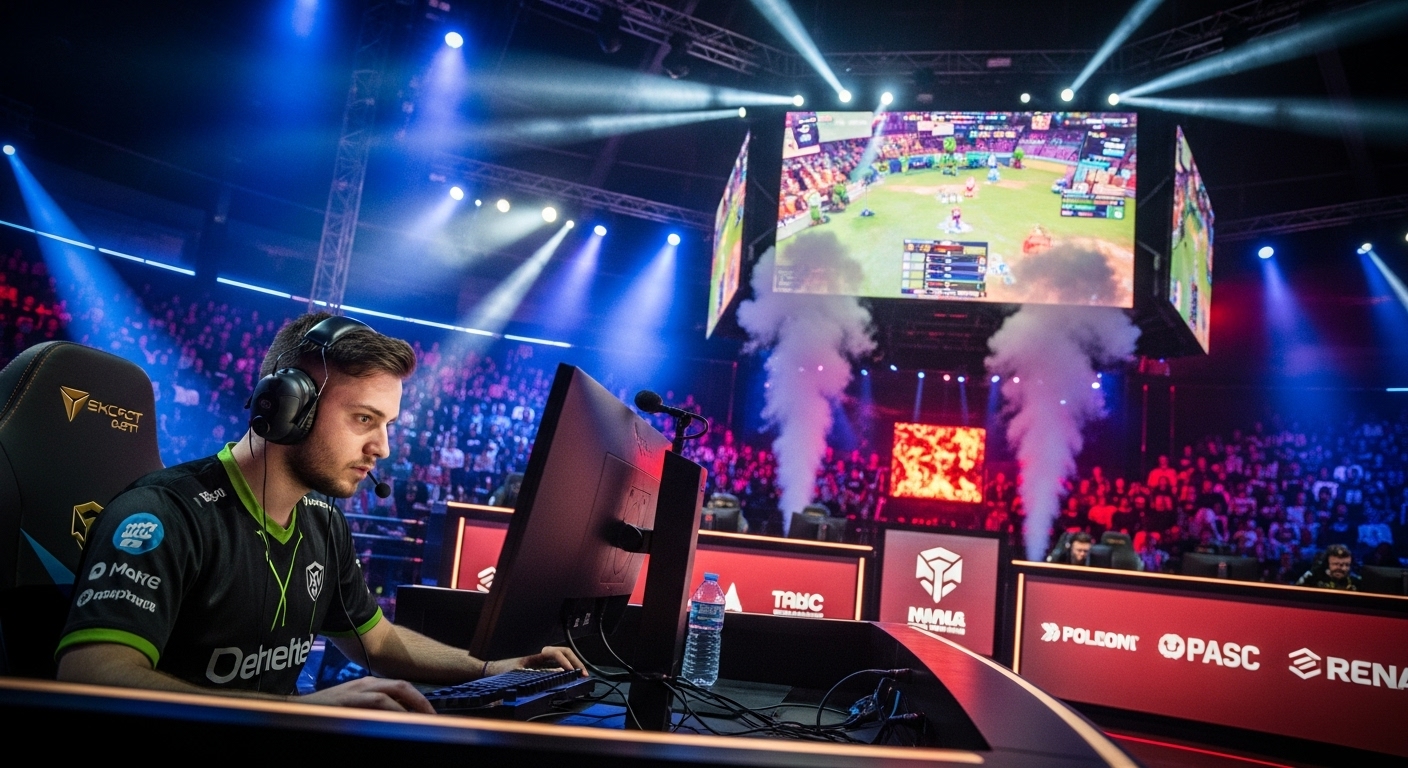
Esports, once a niche hobby for passionate gamers, has transformed into a global phenomenon, capturing the attention of millions worldwide. From small LAN parties to sold-out stadiums, the world of competitive gaming has seen exponential growth, with large-scale events now attracting audiences rivaling traditional sports. What started as informal competitions among friends has evolved into a multi-billion-dollar industry, with professional players, teams, sponsors, and broadcast deals.
This blog explores the journey of esports from its humble beginnings to its current status as a mainstream sport, examining the factors that contributed to its success and the future possibilities of this rapidly growing industry.
The Humble Beginnings: From Arcades to Online Play
The origins of esports can be traced back to the late 20th century when video games were primarily a source of entertainment. The first step towards organized gaming competitions came with the advent of arcade games in the 1970s. Games like Space Invaders and Pong became incredibly popular, drawing players to arcades where they competed for high scores. However, it wasn’t until the 1990s that competitive gaming began to take shape in a more structured manner.
One of the first major milestones in the development of esports came in 1997 with the launch of the Red Annihilation tournament, centered around the game Quake. This tournament was one of the first to feature a large prize pool and attract professional-level competitors. It also helped establish the foundation for esports competitions, showing that people were willing to pay to watch others play video games. The rise of games like StarCraft and Counter-Strike further solidified competitive gaming’s potential.
The internet played a pivotal role in shaping modern esports. With the advent of online multiplayer games, players no longer had to gather in person to compete. Instead, they could now connect with players from around the world, expanding the reach of competitive gaming and laying the groundwork for the global esports culture we know today.
The Growth Surge: Streaming and the Rise of Global Tournaments
In the late 2000s and early 2010s, esports experienced a massive growth surge, thanks in large part to streaming platforms like Twitch. Launched in 2011, Twitch quickly became the go-to platform for gamers to broadcast their gameplay to a global audience. What made Twitch unique was its ability to provide real-time interaction between streamers and their fans, creating a sense of community and engagement that helped fuel the growth of competitive gaming.
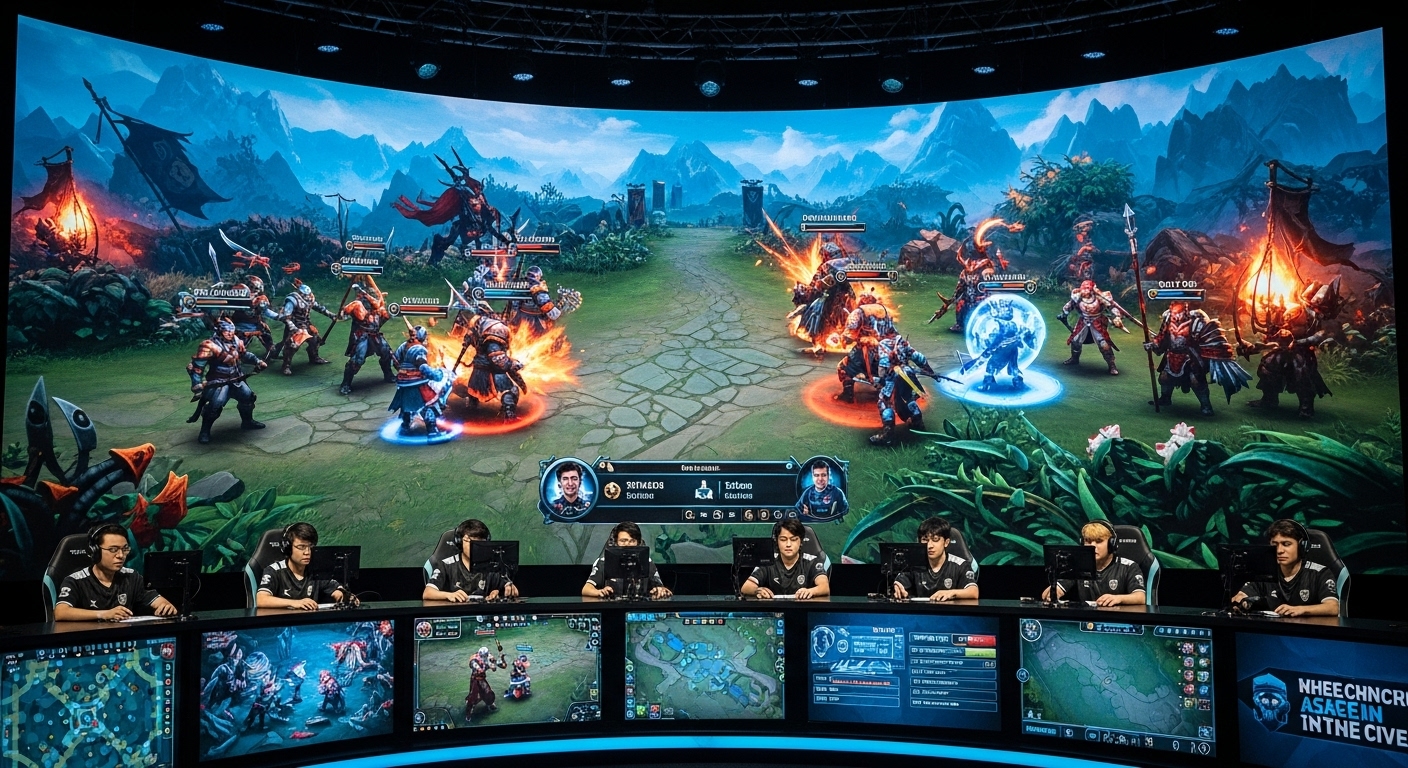
As a result, tournaments that were once limited to small audiences at local events began to reach millions of viewers online. Major titles like League of Legends, Dota 2, Overwatch, and Counter-Strike: Global Offensive became staples in the esports world, with these games attracting large followings and eventually leading to international tournaments with enormous prize pools. The League of Legends World Championship, for example, consistently draws millions of viewers, with some years seeing viewership numbers rivaling those of major sporting events like the Super Bowl.
The rise of streaming not only provided a platform for tournaments but also helped individual gamers build personal brands. Players could now stream their gameplay, interact with fans, and even monetize their content through sponsorships, ads, and donations. This direct connection between players and fans helped cement esports as a mainstream entertainment form and allowed professional players to earn a living doing what they loved.
The Professionalization of Esports: Teams, Leagues, and Sponsorships
As esports gained popularity, it began to take on a more professional structure. Just as traditional sports have teams, coaches, and sponsors, esports also developed into a well-organized industry. Professional players formed teams, hired coaches, and engaged in regular practice schedules to compete at the highest level. The need for better strategies, team coordination, and mental preparation led to the hiring of analysts and psychologists, which became integral to success in competitive gaming.
The establishment of esports leagues was another milestone that helped solidify its professionalization. Leagues like the Overwatch League and the Call of Duty League not only provided a structured environment for players but also offered fans a regular schedule of competitive matches. These leagues, much like traditional sports leagues, featured franchises representing various cities or regions, and teams competed against each other in season-long competitions, culminating in playoffs and finals.
Sponsorship played a crucial role in esports’ professionalization. Brands from a variety of industries, including tech, energy drinks, and fast food, began to invest in esports, seeing the value in reaching a large, engaged audience. Sponsorships provided funding for tournaments, teams, and events, allowing them to grow and offer larger prize pools. Companies like Intel, Red Bull, and Coca-Cola, among others, have become key players in the esports ecosystem, with their logos and products now synonymous with competitive gaming.
The Global Reach: How Esports is Bridging Cultures and Building Communities
One of the most remarkable aspects of esports is its ability to bring together people from different cultures, backgrounds, and languages. Unlike traditional sports, which often have regional barriers, esports transcends geographical limitations. Players from every corner of the globe can compete against each other, and fans from various countries can watch, comment, and celebrate their favorite teams and players.
The digital nature of esports allows it to reach audiences in ways that traditional sports cannot. Fans can tune into live streams from anywhere in the world, watch international tournaments, and interact with the community. Esports has become a platform for cross-cultural exchange, as players and fans share their love for games and form connections with others who share similar interests.
In addition to fostering global communities, esports has also created a new avenue for social interaction. Players and fans can connect on social media, join forums, and participate in online communities dedicated to discussing strategies, sharing tips, and celebrating achievements. Esports events often feel like festivals, with fans coming together to watch live competitions, cheer for their favorite teams, and experience the excitement of the games firsthand.
The Appeal of Esports: Why It Continues to Captivate Audiences
Esports continues to thrive because of its unique blend of accessibility, excitement, and community. One of the major appeals of esports is its accessibility. Unlike traditional sports, which require expensive equipment and physical facilities, esports can be played on a basic computer or console, making it accessible to a wider range of people. Many of the most popular esports titles, such as League of Legends and Fortnite, are free-to-play, lowering the barrier for entry.
The competitive nature of esports also makes it incredibly exciting for both players and fans. The thrill of victory, the intensity of high-stakes matches, and the possibility of witnessing incredible displays of skill and strategy create an electrifying atmosphere around esports events. Fans are not just spectators—they are part of the experience, cheering for their teams, celebrating victories, and sharing in the drama of the competition.
Esports also appeals to the growing demand for interactive and immersive entertainment. Unlike traditional sports, where fans are passive viewers, esports fans can actively engage with the content. Whether it’s participating in online discussions, playing the games themselves, or following their favorite streamers and players, esports allows for a level of interaction that is unmatched by traditional media.
Esports as a Career Path: Beyond the Player Role
For many, esports represents more than just entertainment—it’s a viable career path. While professional gamers are at the forefront of the esports industry, there are numerous other career opportunities in this growing sector. Coaches, analysts, content creators, event organizers, and broadcasters all play crucial roles in the success of esports tournaments and organizations.
Professional players, especially those competing in high-level games like League of Legends and Dota 2, can earn substantial salaries, with top players raking in prize money, sponsorships, and streaming revenue. However, becoming a professional esports player is no easy feat. It requires countless hours of practice, discipline, and mental fortitude. Players often train for 8-12 hours a day to stay sharp and remain competitive.
For those who may not have the skills or inclination to compete professionally, there are still plenty of opportunities within the esports industry. Coaches and analysts provide valuable insights that help players and teams improve their performance. Meanwhile, event organizers, media producers, and marketers help create the spectacle that attracts millions of viewers. Esports has created a wide range of careers that go beyond playing, allowing people to be part of the ecosystem in many different ways.
The Future of Esports: Looking Ahead
As esports continues to grow, the future of competitive gaming looks incredibly promising. With the rise of new technologies such as virtual reality (VR) and augmented reality (AR), the potential for esports to become even more immersive is immense. VR could take esports to the next level, providing fans and players with fully interactive experiences that bring them into the heart of the action.
Esports is also expanding into new markets, particularly in Asia, Latin America, and the Middle East. These regions are seeing a surge in both player participation and viewership, further solidifying esports as a global phenomenon. The increasing involvement of traditional sports teams and organizations is also helping to legitimize esports, with some even suggesting that esports could one day be included in the Olympics.
Furthermore, the mobile gaming sector is poised to play a larger role in the future of esports. Mobile games like PUBG Mobile and Free Fire have already established strong esports scenes, and as mobile technology continues to improve, mobile esports could become just as prominent as PC and console competitions.