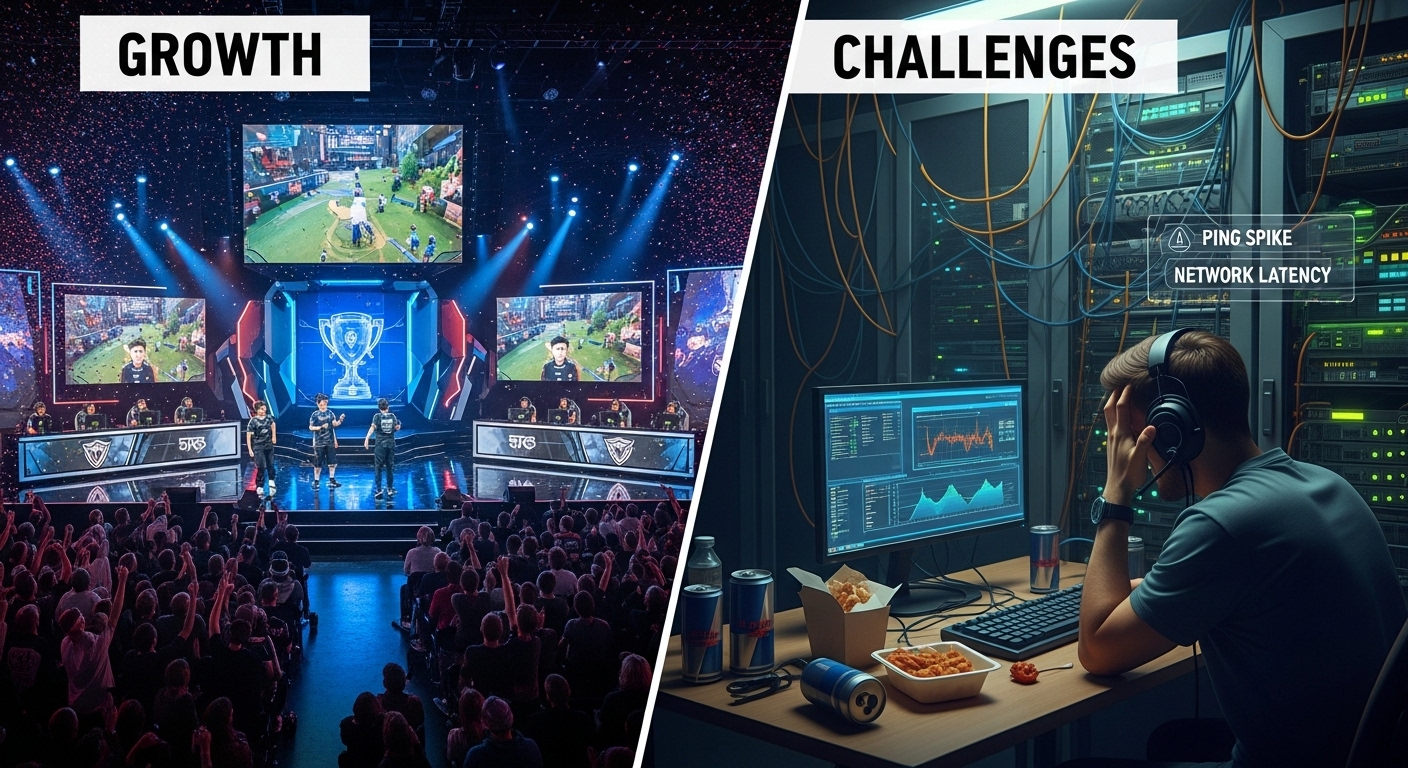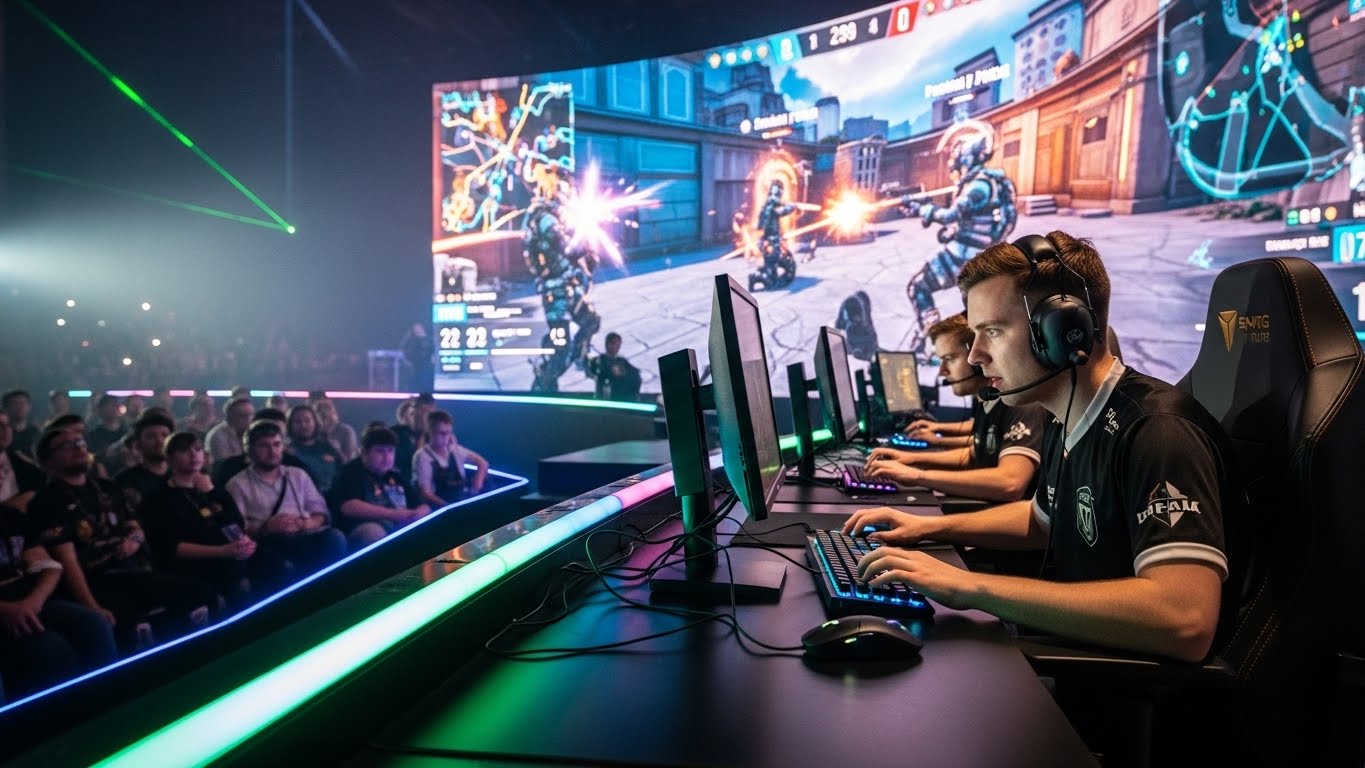
Esports, short for electronic sports, is no longer just a pastime for a niche group of gamers. It has quickly transformed into a massive global phenomenon, captivating millions of people across the world. From professional tournaments that draw crowds larger than those of traditional sports events, to corporate sponsorships, streaming platforms, and university scholarships, esports has cemented its place in the entertainment landscape. But what exactly makes esports so compelling, and how did it grow from a subculture into a multi-billion-dollar industry? In this blog, we explore the rise of esports, its impact on gaming culture, and what the future holds for this fast-growing sector.
The Beginnings of Esports: Humble Origins
Esports as we know it today didn’t emerge overnight. Its roots trace back to the early days of gaming in the 1970s and 1980s, but it wasn’t until the late 1990s that organized competitive gaming began to take shape. The first notable esports tournament, the “Red Annihilation” event in 1997, was organized for the popular first-person shooter Quake. This tournament attracted not only players but also viewers, laying the foundation for the competitive gaming culture we know today.
In the early 2000s, the growth of the internet and the development of multiplayer games helped elevate esports to new heights. Titles like Warcraft III, StarCraft, and Counter-Strike became the first games to showcase the potential for large-scale, organized tournaments. These games built their own communities, and the competitive scene flourished, especially in regions like South Korea, where StarCraft became a national pastime. The formation of organizations like the Cyberathlete Professional League (CPL) in the late 1990s and early 2000s helped standardize competitive gaming and increase its appeal to a wider audience.
The Rise of Esports: Gaming Goes Mainstream
By the mid-2000s, esports began its rapid ascent from a niche hobby to a global entertainment force. The biggest factor in this growth was the emergence of streaming platforms like Twitch, which allowed gamers to broadcast their gameplay to an international audience. Twitch, launched in 2011, became the epicenter of the esports world, providing a platform for both casual streamers and professional players to share their skills, commentary, and experiences.
As the popularity of streaming grew, so did the accessibility of esports. Viewers could now watch high-level competitions from the comfort of their homes. The ease with which fans could follow their favorite players and teams contributed significantly to esports’ growth. For fans, the shift from physical attendance to online viewing created a more inclusive environment, expanding the reach of esports to audiences that were previously excluded by geographical constraints.
Big Brands and Big Money: Esports Becomes a Global Industry
The evolution of esports from a hobby to a billion-dollar industry was driven by multiple factors, but the involvement of major brands and corporate sponsors played a pivotal role. Companies from diverse industries, including tech giants like Intel and Nvidia, energy drink brands like Red Bull, and even automakers like Mercedes-Benz, recognized the value of esports as a marketing tool. These companies began sponsoring esports teams, events, and leagues, providing both financial support and legitimacy to the industry.
Sponsorships weren’t the only revenue stream. Esports organizations began to generate income through merchandise sales, advertising revenue, and ticket sales for live events. Major tournaments, such as The International for Dota 2, have multi-million dollar prize pools, while other games like League of Legends and Counter-Strike: Global Offensive feature substantial prize money and sponsorship deals. This financial backing has allowed professional players to thrive as full-time esports athletes, with salaries, prize earnings, and sponsorships making up their livelihoods.
In 2019, esports generated over a billion dollars in global revenue, with projections for future years continuing to rise. The involvement of traditional sports organizations, such as NBA owners investing in esports teams or football clubs launching their own esports divisions, also helped elevate the profile of esports worldwide.
Esports Tournaments and Competitions: The Heart of the Scene
While streaming and sponsorships have helped build the esports industry, it is the tournaments and competitions that truly drive its excitement and growth. These events, whether online or in-person, are the core of esports culture and serve as the stage for players to demonstrate their skills on a global level.
One of the biggest and most well-known esports tournaments is The International, an annual Dota 2 event that boasts one of the largest prize pools in gaming history. In 2018, the prize pool for The International reached over $25 million, and the event attracts millions of viewers from around the world. Similar high-profile tournaments for games like League of Legends, Overwatch, CS:GO, and Fortnite continue to draw enormous crowds, both physically and digitally. These events often feel like sporting spectacles, with commentators, analysts, and expert observers guiding viewers through the action.
The growing size of these events is a testament to how much esports has grown. What were once small gatherings in convention centers have evolved into full-scale stadium events, with some tournaments even filling arenas with thousands of spectators. The culmination of esports seasons often results in thrilling finals, with teams or individuals competing for championship titles and massive prizes. This electrifying atmosphere mirrors that of traditional sports, creating an unmatched level of excitement for players and fans alike.
The Role of Streaming and Content Creation in Esports
Streaming is arguably the most transformative element in the rise of esports. Platforms like Twitch and YouTube Gaming have allowed millions of viewers to engage with esports content on a daily basis. While the professional tournaments are the main attraction, casual streamers have also played a key role in shaping the esports community.
Many top-tier esports players also double as content creators, regularly streaming their gameplay to build personal brands. The ability to interact with fans through live chat and social media adds a personal touch to the competitive scene, making esports feel more accessible and relatable. For many viewers, watching their favorite players practice, learn new strategies, or simply enjoy the game is as exciting as watching them compete in a tournament.
Streaming has also led to the rise of esports influencers and personalities who command massive followings. These influencers often partner with brands, appear at live events, and even create their own content through YouTube videos, social media posts, and collaborations with other streamers. These personalities play an essential role in shaping the overall culture of esports, helping to engage fans and attract new viewers to the scene.
The Role of Education: Esports as a Pathway to Professional Careers
The meteoric rise of esports has also created new opportunities for players and fans alike. Esports is no longer just a hobby or a passion; it has become a viable career path for many. Universities and colleges around the world have started offering scholarships for esports players, while some institutions have even established full esports programs, offering degrees in gaming, game development, and esports management.
In addition to playing, there are various career opportunities in the esports industry, including coaching, content creation, event management, game development, and broadcasting. The demand for professionals in these fields continues to grow as the industry expands. Students can now aspire to work in esports in much the same way they might pursue careers in traditional sports, media, or entertainment industries.
The Future of Esports: What Lies Ahead
Looking ahead, the future of esports seems incredibly promising. As technology continues to evolve, we can expect even more immersive and engaging experiences for players and fans alike. Virtual and augmented reality (VR/AR) are poised to play a significant role in the future of gaming, and esports is likely to be one of the first industries to adopt these innovations.
We may also see esports integrated with other forms of entertainment, including music and movies. Crossovers between gaming and popular culture have already begun, with music festivals and film franchises collaborating with game developers to create in-game events, live performances, and exclusive content. The future of esports could be one where the boundaries between gaming, entertainment, and pop culture are increasingly blurred.
Additionally, esports may continue to break down geographic and cultural barriers. With a global audience already tuning in to tournaments, we are likely to see more cross-border competitions and international leagues. Just as football and basketball have international leagues and fanbases, esports could continue to grow in its global reach, creating a new era of competitive gaming that transcends borders.
Conclusion: Esports is Here to Stay
Esports has come a long way from its humble beginnings in small LAN parties and underground tournaments. Today, it stands as one of the most dynamic and lucrative industries in the world, with millions of players, fans, and professionals involved in the scene. With its deep-rooted community, massive potential for growth, and ability to bridge the gap between gaming and mainstream entertainment, esports is undoubtedly here to stay.
The future is bright for esports, with new technologies, more investment, and larger audiences continuing to propel the industry forward. Whether you’re a casual gamer, a competitive player, or a fan, esports offers an exciting and evolving experience that will continue to captivate the world for years to come.