Over the past two decades, esports has transformed from a niche pastime into a global phenomenon that captivates millions of fans, attracts substantial investment, and reshapes the landscape of competitive entertainment. What began as informal competitions among friends or online strangers has evolved into a professional ecosystem, complete with leagues, sponsorships, broadcasting rights, and a career path for players and content creators alike. In this blog post, we will explore the history, growth, and future of esports, examining its cultural impact, economic significance, and the opportunities it offers for players and audiences alike.
The Origins of Esports
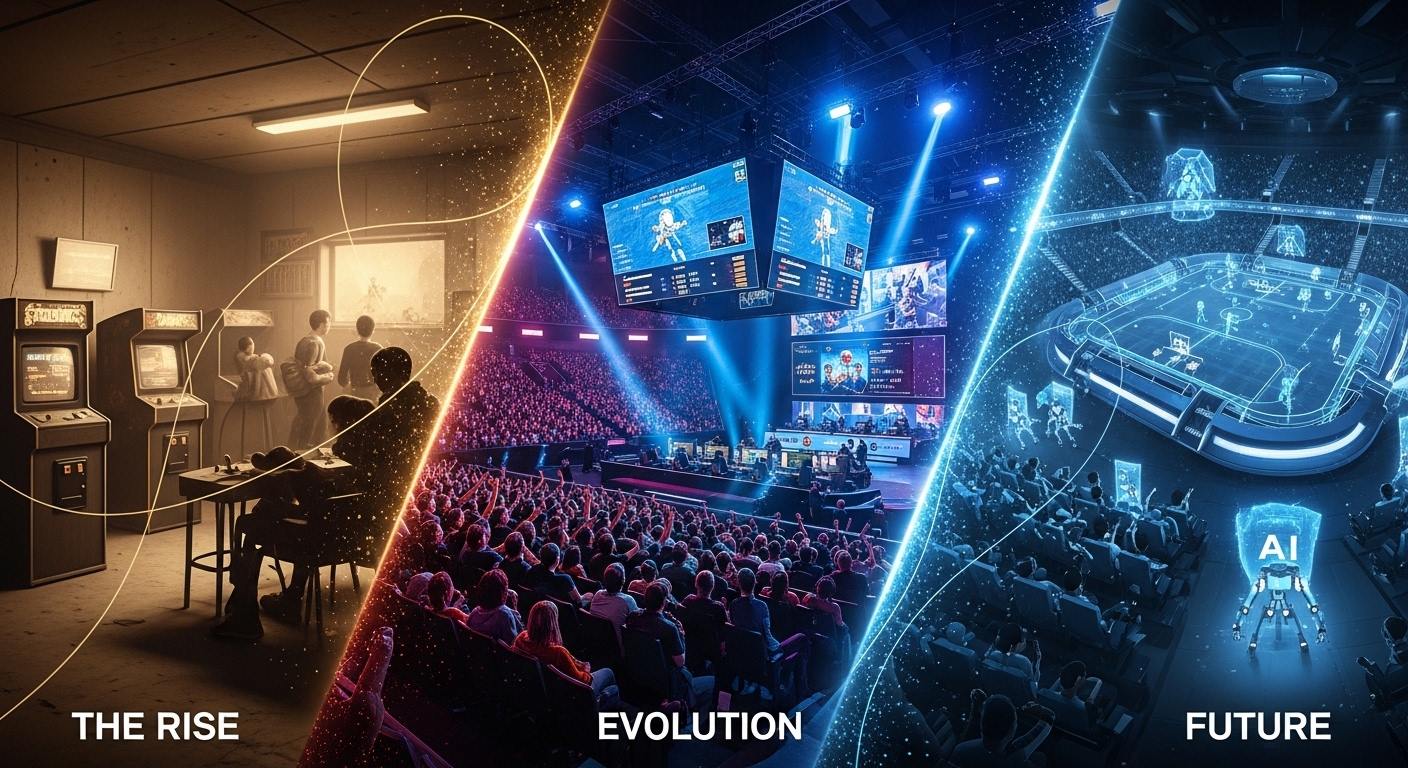
The roots of esports can be traced back to the late 1970s and 1980s, during the early days of arcade gaming and home consoles. One of the earliest recorded competitions was the Space Invaders Championship held in 1980, which drew thousands of participants across the United States. This event is widely recognized as a precursor to modern esports tournaments, highlighting the potential for competitive gaming to bring together players from diverse backgrounds.
In the 1990s, the rise of personal computers and internet connectivity gave birth to a new era of competitive gaming. Games like Doom, Quake, and StarCraft became staples of early esports culture. LAN (Local Area Network) parties allowed gamers to connect their computers in a shared physical space, competing in high-stakes matches that tested both skill and strategy. South Korea, in particular, became a hub for esports during this period, with professional StarCraft players achieving celebrity status and televised matches attracting large audiences.
Evolution of Competitive Gaming
The early 2000s marked a turning point for esports as it began to transition from grassroots competitions to organized professional leagues. The advent of broadband internet enabled online tournaments, allowing players from different parts of the world to compete against each other in real time. This period saw the emergence of iconic esports titles, including Counter-Strike, Warcraft III, and Dota 2, which remain foundational to the industry today.
Esports organizations began to take shape, with dedicated teams, coaches, and training facilities becoming standard practice. Sponsorship deals with hardware manufacturers, energy drink brands, and tech companies began to provide financial stability for professional players. Streaming platforms and early video-sharing websites allowed fans to watch their favorite players and teams, creating a new form of interactive entertainment that blurred the line between traditional sports and digital competition.
The Role of Technology in Esports Growth
Technology has played a pivotal role in the rapid growth of esports. High-speed internet, advanced gaming hardware, and live-streaming platforms have revolutionized how esports is consumed and played. Platforms like Twitch, YouTube Gaming, and others allow millions of fans to watch competitive matches live, interact with streamers, and even participate in virtual communities centered around their favorite games.
Gaming hardware has also evolved to support professional-level play. High-refresh-rate monitors, precision gaming mice, ergonomic keyboards, and custom-built PCs ensure that players can perform at the highest level. Software advancements, such as matchmaking algorithms, spectator modes, and replay analysis tools, have enhanced both gameplay and viewing experiences. These technological innovations have not only made esports more accessible but also more immersive and engaging for players and audiences alike.
The Global Esports Ecosystem
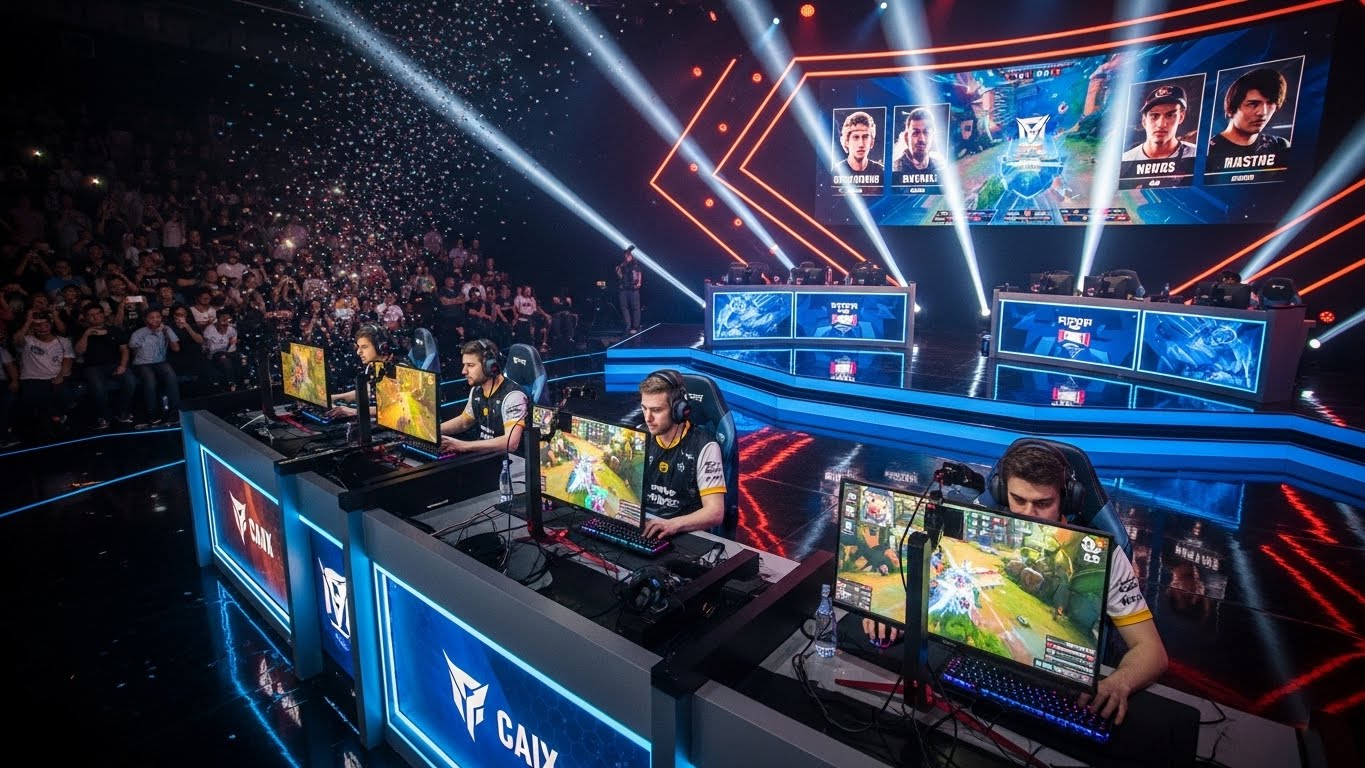
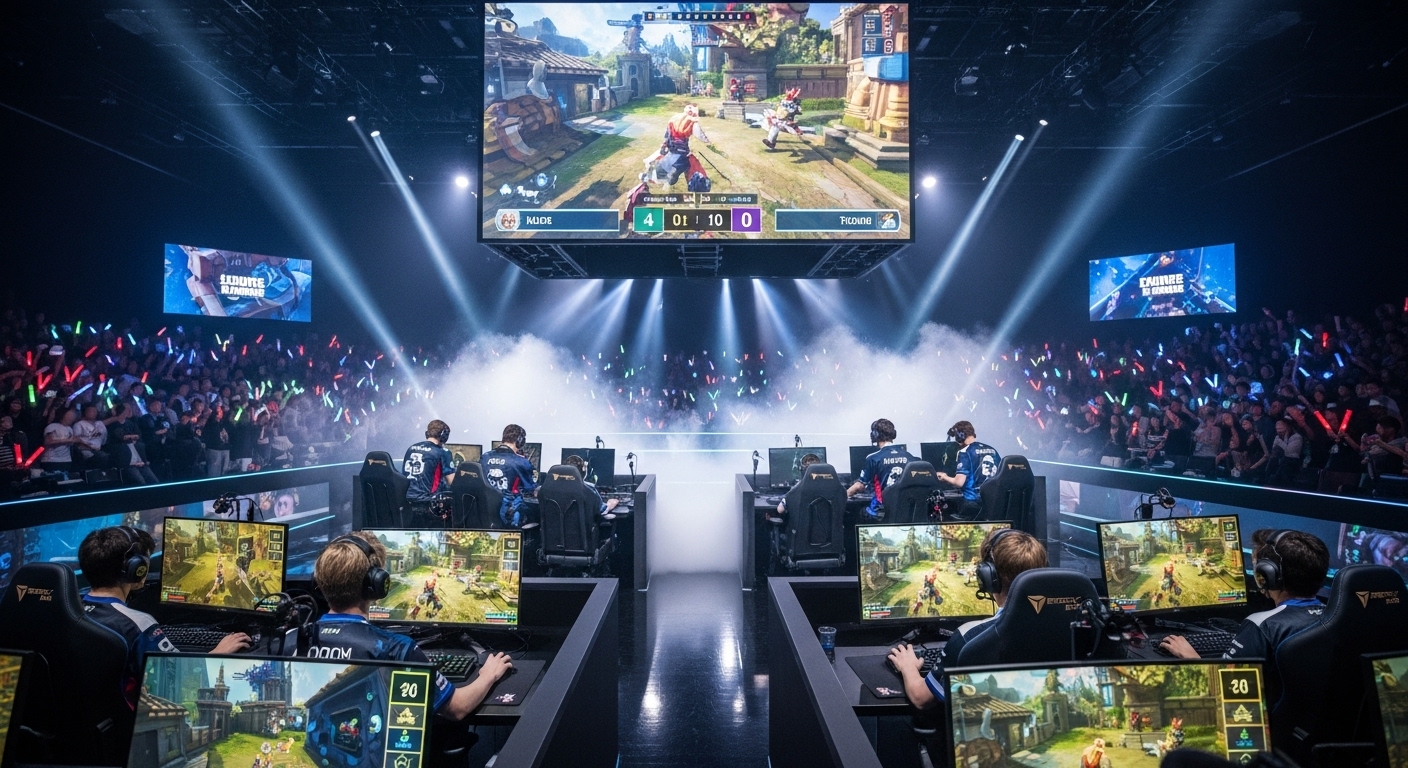
Today, esports is a multi-billion-dollar industry with a complex ecosystem encompassing players, teams, leagues, event organizers, sponsors, media companies, and fans. Major tournaments like The International, League of Legends World Championship, and Overwatch League Finals attract millions of viewers, with prize pools reaching tens of millions of dollars. Cities around the world host esports events, drawing tourists, media attention, and investment in gaming infrastructure.
Professional esports teams operate much like traditional sports franchises. They have management staff, coaches, analysts, and training programs to ensure peak performance. Teams often compete in regional leagues with the goal of qualifying for international tournaments. Sponsorships and merchandising contribute significantly to revenue, while streaming content, social media engagement, and fan interactions help maintain visibility and brand loyalty.
Cultural Impact of Esports
Esports has a profound cultural impact, influencing not only entertainment but also lifestyle, social interaction, and education. Competitive gaming has shifted perceptions of what constitutes a sport, with players recognized as athletes and competitions treated with the same seriousness as traditional sports. Esports has also fostered diverse communities where individuals from different backgrounds can connect over shared interests.
Cosplay, fan art, and content creation have become integral parts of esports culture. Fans celebrate their favorite teams and players through online forums, social media, and live events. Universities and colleges have started offering esports programs, scholarships, and research initiatives, further legitimizing gaming as a professional and academic pursuit. Additionally, esports has contributed to discussions about digital citizenship, mental health, and inclusivity, as it navigates the challenges of a rapidly growing global audience.
Economic Significance of Esports
The economic impact of esports cannot be overstated. The industry generates revenue through multiple channels, including sponsorships, advertising, ticket sales, merchandise, media rights, and streaming subscriptions. Esports organizations attract investment from venture capital, traditional sports teams, and even celebrities, highlighting the lucrative potential of competitive gaming.
Job opportunities extend beyond professional players to include roles in event management, marketing, broadcasting, coaching, game development, and analytics. The proliferation of esports has also boosted related industries such as gaming hardware, software development, and digital media production. Cities hosting esports tournaments benefit from tourism and local commerce, creating a ripple effect that strengthens the broader economy.
Challenges Facing the Esports Industry
Despite its rapid growth, esports faces several challenges. Player burnout and mental health concerns are prominent issues, as professional gamers often endure grueling practice schedules and intense competition. Longevity in esports careers is typically shorter than in traditional sports, with players needing to plan for post-competition careers.
Regulation and governance are still evolving, as the industry grapples with issues such as fair play, cheating, doping, and contractual disputes. The lack of standardized rules and oversight can create uncertainty for players, teams, and investors. Additionally, accessibility remains a challenge in regions with limited internet connectivity or high costs for gaming equipment.
The Role of Women in Esports
Historically, esports has been male-dominated, but the landscape is gradually changing. Female gamers are making significant strides as players, commentators, and industry leaders. Initiatives promoting inclusivity and diversity aim to break down barriers and encourage more women to participate in competitive gaming. Mixed-gender tournaments and women-only leagues provide platforms for showcasing talent and fostering supportive communities.
The visibility of women in esports also challenges stereotypes about gaming culture, demonstrating that skill, strategy, and dedication are not determined by gender. As the industry continues to grow, increasing representation of women will contribute to a more inclusive and vibrant esports ecosystem.
Esports and Education
Education and esports intersect in increasingly meaningful ways. Schools and universities are developing esports programs, offering scholarships to talented players, and integrating gaming into curricula for technology, media, and business studies. Esports teaches valuable skills such as teamwork, strategic thinking, problem-solving, communication, and time management, which are transferable to various professional fields.
Moreover, research in esports-related fields is expanding. Studies examine the cognitive, social, and psychological impacts of competitive gaming, providing insights into human behavior, decision-making, and learning. This academic interest further validates esports as a serious discipline with practical applications beyond entertainment.
The Future of Esports
Looking ahead, esports is poised for continued growth and innovation. Emerging technologies such as virtual reality (VR), augmented reality (AR), and cloud gaming will redefine how players compete and audiences experience events. Mobile esports is expanding rapidly, particularly in regions where mobile gaming is more accessible than PC or console gaming.
Esports may also become more integrated with traditional sports and mainstream entertainment. Collaborations between esports organizations and professional sports teams, film studios, and music artists are creating cross-industry opportunities that enhance visibility and engagement. As the industry matures, we can expect greater standardization, improved player welfare, and more sophisticated business models that ensure sustainability and inclusivity.
Conclusion
Esports has come a long way from its humble beginnings in arcade halls and LAN parties. Today, it is a thriving global industry that entertains millions, generates billions in revenue, and offers opportunities for players, creators, and investors alike. Its cultural, economic, and educational impact underscores the significance of competitive gaming in modern society. While challenges remain, the future of esports is bright, promising innovation, inclusivity, and new ways for people to connect, compete, and celebrate the joy of gaming.
Esports is no longer just a hobby—it is a testament to human creativity, strategic thinking, and the power of technology to bring people together. Whether you are a player, fan, or industry professional, the world of esports offers endless possibilities, making it one of the most dynamic and exciting entertainment phenomena of the 21st century.